
Pickleball is quickly gaining global popularity, driven by its fast-paced action and thrilling gameplay. However, the sport’s energetic nature can lead to a higher risk of joint and muscle injuries. To promote both safety and enjoyment on the court, it’s essential to understand the different types of pickleball gear available.
This detailed guide will explore the importance of injury prevention in Pickleball, highlight common injuries, and explain how to choose the right support gear to safeguard your body. We’ll also provide insights for businesses seeking custom OEM/ODM solutions.
Why You Need Injury Prevention Gear in Pickleball
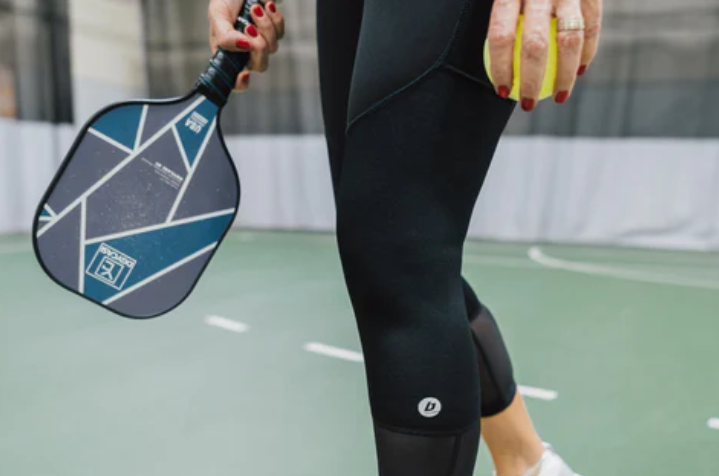
In Pickleball, the frequent side-to-side motions, abrupt stops, and quick sprints can place undue stress on the knees, wrists, elbows, and other joints. Supportive gear helps alleviate this strain by absorbing impact and enhancing joint stability. Essential items such as knee sleeves, wrist supports, and ankle braces play a key role in minimizing these risks.
5 Common Pickleball Injuries
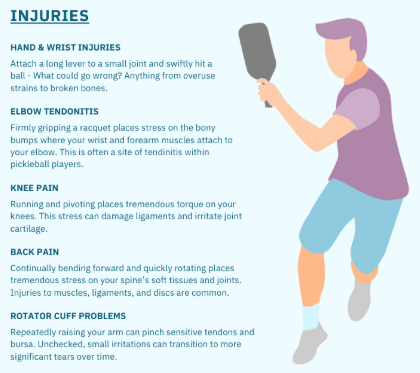
- Ankle sprains – the most frequent type of injury. They result from quick lateral movements on hard surfaces, especially sudden direction changes near the non-volley zone (the kitchen). Uneven court surfaces only make matters worse, and the ankles end up taking the brunt of the strain.
- Pickleball elbow (lateral epicondylitis) – an overuse injury similar to tennis elbow, but it can develop even more quickly in pickleball. New players often get excited, start playing four times a week right away, and then find themselves wondering why their elbow is hurting after just six weeks.
- Knee strains and patellar stress – rarely caused by sudden, acute trauma. Instead, they build up over time from constant side-to-side shuffling and maintaining a low, bent-knee “ready stance” during extended rallies. The patellar tendons endure significant repetitive stress, especially in long playing sessions.
- Wrist Injuries: The wrist joint bears the impact of every swing. Repeated motions without proper support cause gradual deterioration, often resulting in pain or injury. These injuries are almost exclusively determined by one’s technique.
- Rotator cuff inflammation – a shoulder overuse injury, commonly seen in players who rely on arm strength for every overhead shot instead of using proper body rotation. Poor technique acts as the main trigger here.
Why You Need Them
- Mitigate Joint Stress: Dynamic movements on rigid acrylic courts take a heavy toll on the knees and ankles. Gear absorbs the shock your joints normally take.
- Speed Up Recovery: Recovery garments enhance blood flow, delivering vital oxygen to tired muscles.
- Maintain Long-Term Health: Preventing minor, repetitive strains stops them from compounding into chronic, long-term damage that sidelines your play.
How to Prevent Pickleball Injuries with Support Gear
What ties all of these injuries together is that they are fundamentally overuse problems. While supportive gear can help protect an already injured area, it does nothing to address the underlying pattern of overuse that caused the issue in the first place.
Elbow Braces for Pickleball
A counterforce strap—the standard band worn just below the elbow—works by absorbing vibration before it hits the tendon, which eases the strain on your lateral epicondyle. That’s genuine pain relief. But don’t confuse it with prevention. It’s a management tool, not a cure. If you put the strap on and keep playing with a white-knuckle grip and an overactive wrist in your swing, you’re only buying yourself time before the pain returns.
Knee Braces for Pickleball
In pickleball, knee braces serve three distinct purposes, each addressing a different issue. Understanding which situation applies to you is key before making a purchase.
Compression sleeves, made from materials like neoprene or knit fabric, are helpful for minor swelling, improving patellar movement, and enhancing proprioception—your body’s natural ability to sense joint positioning. The last benefit often goes unnoticed. Players healing from a mild knee sprain typically use these sleeves not for structural support, but because the gentle pressure reminds the knee of its proper alignment, helping prevent unintended hyperextension. For that specific need, they offer real value.
Hinged braces are designed to offer genuine ligament protection, particularly for those with ACL or MCL instability. If you’ve experienced a partial knee injury and your doctor has approved your return to the court, this type of knee brace is commonly suggested. While not comfortable for extended two-hour matches, it lowers the chances of aggravating the injury during the sharp side-to-side movements that pickleball frequently involves.
Unloader braces are designed specifically for knee osteoarthritis. Their job is to shift weight away from the damaged cartilage in the joint. For players who are dealing with mild to moderate arthritis, these braces can genuinely help prolong their ability to play the sport for years to come.
Ankle Braces for Pickleball
In pickleball, ankle sprains are the most common injury, and they’re also where preventive bracing has the most supporting evidence. For players who have previously experienced an ankle sprain, the risk of re-injury is significantly higher, and lace-up ankle braces have been shown to reliably lower that risk. This goes beyond simply managing symptoms—it’s genuine injury prevention for athletes with a history of sprains.
Two primary types are available:
Lace-up ankle braces, worn inside court shoes, offer the greatest lateral support and are advised for players with past sprains or ongoing chronic ankle instability. They do slightly limit range of motion, which some players find bothersome during rapid changes in direction. Still, for anyone with a history of sprains, the adjustment period is well worth it.
Ankle compression sleeves provide mild proprioceptive support without restricting movement. They’re best suited for players dealing with minor soreness or slight instability, but who have not experienced a full sprain.
Wrist Braces for Pickleball
Wrist braces limit flexibility, and as a result, they may unintentionally encourage better technique. However, continuing to play while ignoring wrist discomfort almost always aggravates the injury.
Shoulder Braces for Pickleball
There’s limited evidence that shoulder compression sleeves help prevent overuse injuries. Instead, proper mechanics are best developed with a coach or by reviewing video of your overhead shots.
Opt for Custom Pickleball Gear for Your Business
With the rising popularity of pickleball, it’s not just individual players preparing for the game. Teams, clubs, and businesses are also looking for high-quality support equipment for their players or customers. Whether you’re outfitting your Pickleball club with essential gear or you’re a company aiming to provide superior protection to your clients, having the right equipment matters just as much for bulk orders as it does for individual athletes.
As a business, offering custom sports gear to your customers can help you stand out in a competitive market. Whether you’re supplying pickleball support equipment or delivering custom solutions for athletic brands, OEM/ODM customization brings a range of key benefits:
- Custom designs that address specific customer needs
- Branding opportunities through personalized logos and color schemes
- High-quality production that ensures long-lasting durability and performance
Conclusion
Pickleball is a joint-friendly, exciting sport, but without proper protective equipment, the chances of injury go up. Choosing the right supportive gear for your skill level helps lower those risks and allows you to keep playing the game for many years.
Wearing knee sleeves, wrist supports, and ankle braces is essential for safe and effective play. If your business aims to offer premium, customized support gear, we specialize in OEM/ODM brace manufacturing for sports support products. Whether you want to offer personalized gear to your customers or launch your own product line, contact AOFIT and our expert guidance can help you thrive in the sports equipment industry.