
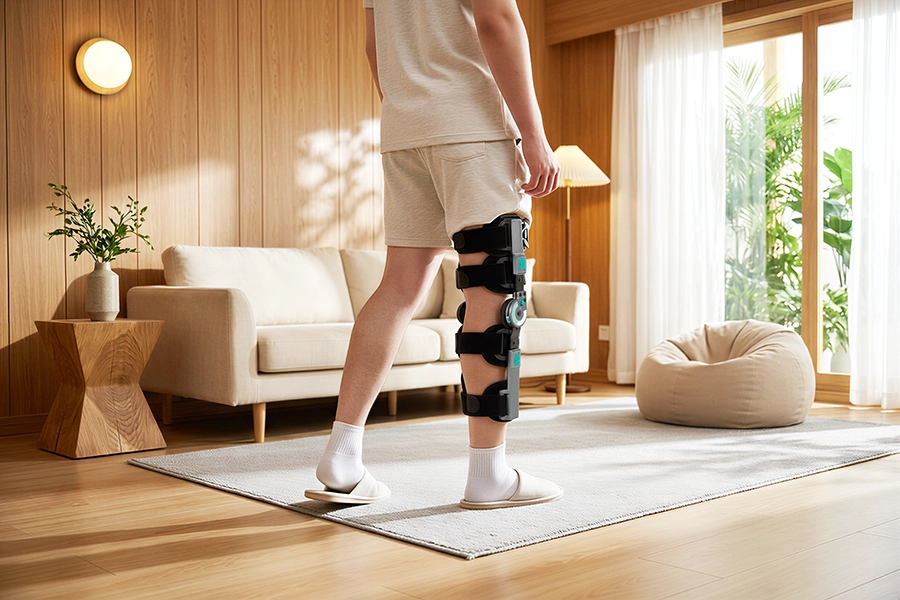
Yes. While surgery presents its own challenges, true recovery begins in the rehabilitation phase. Whether you’ve undergone a procedure on your knee, back, or another joint, proper healing requires time, a structured plan, and the right orthopaedic braces. Choosing an appropriate brace can safeguard the area that was operated on, limit unwanted movement, and allow you to move safely as you work to regain your strength.
To help you navigate rehabilitation with greater assurance and less uncertainty, here is a straightforward guide to selecting the best brace based on your specific surgery and where you are in the healing process.
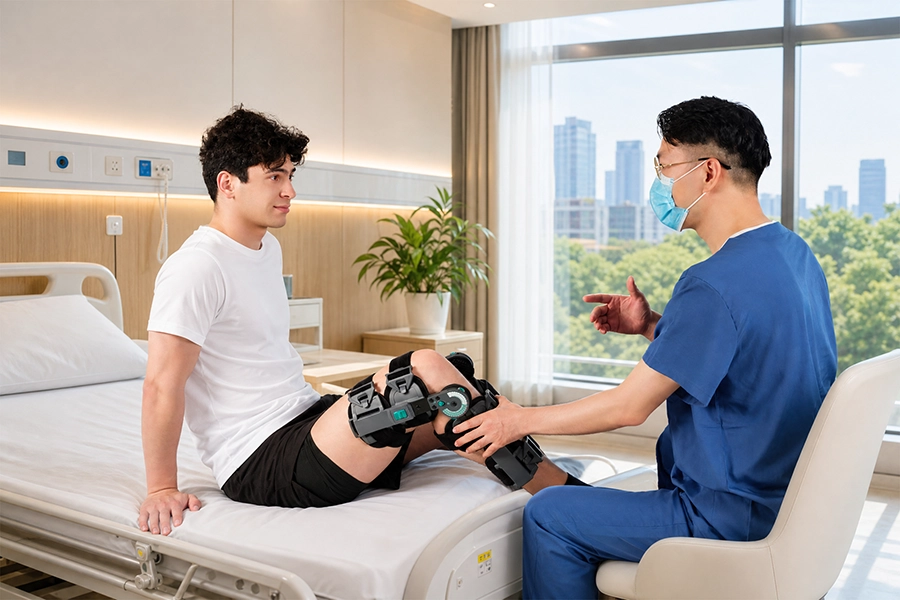
Why Orthopaedic Braces Matters After Surgery
Following any type of joint surgery, the repaired or reconstructed tissues are temporarily in a weakened state. Ligaments, tendons, cartilage, and the surrounding muscles all require sufficient time to heal before they are capable of resuming normal weight-bearing and movement.
A post-surgical brace helps by stabilizing the joint, preventing harmful movements, minimizing stress from weight-bearing, and maintaining proper alignment throughout the healing process. Without this external support, even minor missteps or unintended motions could jeopardize the success of the surgical repair.
For procedures such as ACL reconstruction, meniscus repair, MCL or LCL repair, patellar stabilization, and certain spinal surgeries, most orthopedic surgeons routinely prescribe bracing as part of the post-operative care plan. Surgeons and physical therapists will work together to determine the appropriate brace type, fit, and wearing schedule based on the specifics of your surgery.
Orthopaedic/Post-Surgical Bracing at a Glance
| Features | Functional braces | Rehabilitative braces |
| Application | Typically used in the middle to later phases of healing, a functional brace delivers moderate support to facilitate daily tasks and a slow return to normal movement. | In the weeks after an operation, a rehab brace offers the highest level of immobilization to safeguard tissues that are in the process of healing. |
| Design | hinged braces, compression sleeves, custom fit, multiple straps | telescoping uprights, dial-lock hinges, padded liners |
| Evidence-based effectiveness | reduces re-injury risk post-acl surgery by up to 50% | may not improve long-term outcomeshelps with patients confidence |
| Pros | supports return to sportscustom brace optionsrelieves stress on injured parts | prevents overuse or sudden movementpromotes safe rehabassists early stabilization |
| Cons | may affect speed or movementexpensivemuscle weakening if overused | can be bulkyrisk of stiffnessoften prescribed more for rehab than necessary |
Common Types of Post-Surgical Braces
The bracing needed after surgery depends largely on the specific procedure performed. Below are some of the most common types of post-operative braces and supports, organized by the area of the body and the level of support.
By Body Region
Knee Post-Surgical Braces
These are commonly used following ACL reconstruction, meniscus repair, total knee replacement, or ligament surgery. Many of these braces come with adjustable hinges, allowing the medical team to limit or increase the knee’s range of motion as healing progresses.
Spinal and Lumbar Braces
Designed for use after spinal fusion, disc operations, or stabilization surgeries. They help reduce movements such as bending and twisting, which could put harmful stress on the spine during recovery.
Shoulder, Elbow, and Wrist Supports
Often prescribed after tendon repairs, fracture stabilization, or arthroscopic procedures. These supports keep the joint properly aligned and help guide safe, limited movement while protecting the surgical site.
Foot and Ankle Post-Surgical Supports
Used following fracture repairs, ligament reconstruction, or tendon surgeries. This group includes walking boots and rigid braces that shield the lower leg during weight-bearing activities.
By support leves
Immobilizer – Offers maximum support, intended for immediate post-operative use when complete restriction of movement is required.
Lumbar LSO (Lumbosacral Orthosis) – Ensures maximum support, designed for post-surgical back recovery.
Rigid Hinged Brace – Provides maximum stability, ideal for recovery following ACL, MCL, or meniscus surgery.
Soft Hinged Brace – Delivers moderate support, suitable for mid-phase rehabilitation or managing ongoing joint instability.
Compression Sleeve – Supplies mild support, best for late-stage recovery and controlling swelling.
How to Choose the Right Brace for Post-Surgery Rehabilitation
Step 1: Choose the Right Brace for Your Specific Surgery
Different surgical procedures demand different levels of support and motion control. A brace that works well following ACL reconstruction may not be suitable for recovery from meniscus surgery.
ACL or Ligament Reconstruction
ACL surgeries generally require a rigid, hinged brace that limits rotation and prevents hyperextension during the early stages of healing. The hinged knee brace, featuring polycentric hinges with adjustable settings for extension, flexion, and immobilization, is well-suited for staged post-operative recovery protocols.
Meniscus Repair
Meniscus repairs require controlled movement to ensure proper healing. A brace that restricts deep flexion while permitting gentle, guided motion helps protect the surgical site without locking the knee in a fixed position. An adjustable functional knee brace can effectively achieve this balance.
Back or Spinal Surgery
Post-operative back bracing is designed to limit torso movement and maintain spinal alignment. An LSO spine brace with a dual pulley cord system offers firm, adjustable compression for patients recovering from lumbar procedures. For less invasive back surgeries, a lumbar sacral support with criss-cross strapping may provide adequate stabilization.
Step 2: Match Your Brace to Your Healing Stage

As your recovery progresses, your bracing needs will change. The support that helps in the first week won’t be the same as what you need by week six.
Early Recovery (Weeks 1–3)
Protection comes first. At this stage, the brace should restrict excessive movement and reduce stress on injured tissues. If your brace has adjustable range-of-motion settings, your surgeon or physical therapist will usually lock it to a conservative angle.
Mid-Rehabilitation (Weeks 3–6)
As healing advances, your brace can be adjusted to permit greater mobility. You may transition from a rigid post-surgical brace to a hinged knee brace that offers moderate support—enough to maintain stability while still allowing therapeutic exercises.
Return to Activity (Week 6 and Beyond)
Once your provider gives the green light for increased movement, a lighter functional brace or compression sleeve may be used. These options provide dynamic stability for exercise, daily activities, and a safe return to recreational sports. For low-impact movements, a compression knee sleeve can be a good choice during this later stage.
Step 3: Make Fit and Comfort Your Top Priority
A brace that doesn’t fit properly won’t deliver the support your joint needs. Poor fit often leads to issues like chafing, pressure points, shifting out of place, or insufficient stabilization.
How to Prevent Common Fit-Related Problems
- Use a soft tape measure to get an accurate reading of your leg or waist circumference.
- Refer to the sizing guide that comes with your specific brace model.
- After wearing the brace for the first time, watch for signs such as numbness, tingling, or skin redness.
- As swelling fluctuates during the day, readjust the straps accordingly.
How AOFIT Brace Benefits Clinic and Pharmacies?
AOFIT Brace can be Your Partner in Preparation, Healing, and Confident Recovery for patients.
Collaboration Across Orthopaedic Surgery, Physiotherapy, and Occupational Therapy
Effective post-surgical recovery depends on seamless teamwork. At AOFIT, we collaborate closely with surgeons and other allied health professionals to ensure each brace is properly fitted and aligned with their specific rehabilitation plan.
Tailored Bracing for Individual Recovery Journeys
Every surgery presents unique challenges. Our design team evaluates key factors—including procedure type, bone health, and the patient’s daily activities—to create braces that match each recovery needs, from lightweight options that support mobility to rigid designs offering full stabilization.
Support for Workers’ Compensation and Insurance Cases
For patients recovering from compensable injuries, AOFIT provides thorough assessments, complete documentation, and functional bracing recommendations—helping to facilitate both effective recovery and a smoother return to work.
FAQs
Does physical therapy require a different kind of brace?
During therapy sessions, your physical therapist might modify your brace’s settings to permit increased range of motion. As you advance through your recovery, you could switch to a lighter brace in some instances. Any such adjustments will be coordinated by your healthcare team.
When can I refuse a knee brace after surgery?
The length of time you’ll need to wear a knee brace after surgery varies based on the specific procedure and your surgeon’s recovery plan. In some cases, the brace must be worn continuously for a number of weeks.
The timeline for reducing or discontinuing brace use will be decided by your surgeon or physical therapist. This determination takes into account how well you are healing, the stability of your joint, and whether you can carry out daily movements comfortably and without the brace.
Is it okay to take off my post-surgical brace while I shower?
In most cases, surgeons permit removing the brace for a short time to clean yourself, but instructions can differ depending on your procedure. Be sure to follow your surgeon’s specific advice.
What type of knee brace do I need after ACL surgery?
Following ACL surgery, patients usually need a hard hinged knee brace that allows for adjustable range-of-motion settings. This brace is designed to regulate how far the knee can extend and flex during the initial recovery phase, and its settings are progressively modified as the knee regains strength and stability.
Conclustion
A successful recovery begins with the right support. Post-surgical bracing helps protect your body during its most delicate stages, and having guidance you can trust makes the process easier and more comfortable.
Whether you are medical brands who want to update your production line or Clinic and Pharmacies looking for reliable custom brace manufacturing for your patients, AOFIT is here. Contact AOFIT now for your solutions.