
Picking the wrong knee sleeve material doesn’t just waste money — it can damage your performance, your recovery, and your joints. Neoprene, elastic fabric blends, copper-infused fibers… the options keep growing, and the marketing claims get louder every day.
Here’s what most buying guides skip: each material performs differently under real training conditions. What works well for a powerlifter will frustrate a runner within a mile.
This breakdown cuts through the noise. You’ll leave knowing how each knee sleeve material performs, where it falls short, and which one fits the way you move and train.
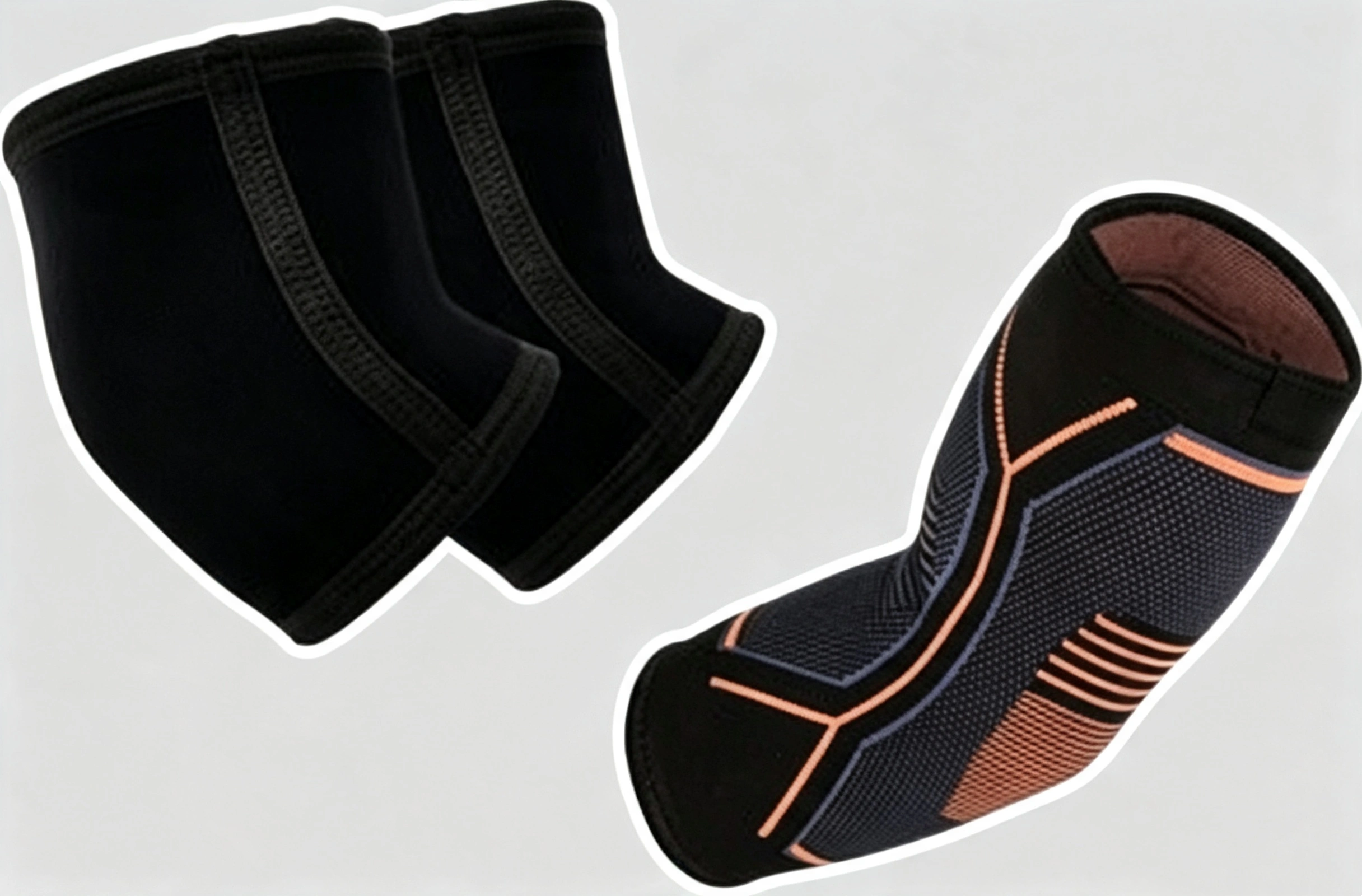
3 Main types of Knee Sleeve Material
The material you choose for a knee sleeve really matters. It affects how long the sleeve lasts, how much air gets through, and what the sleeve is actually best at. Most of the time, you’re looking at three options: neoprene, elastic fabric blends, and specialized fibers.
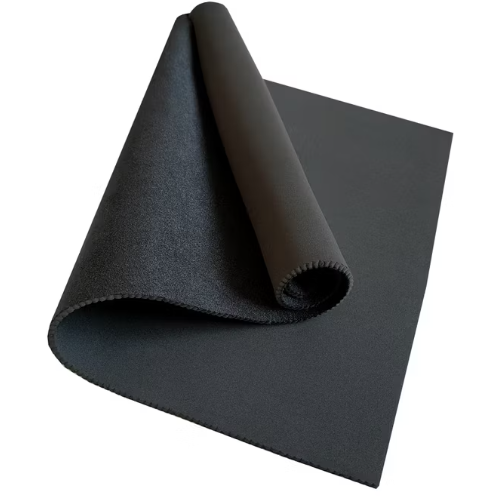
Neoprene: The Performance Standard
Neoprene knee sleeves are the heavyweight in performance lifting. People first made it for wetsuits, so it’s tough, stretchable, and doesn’t let water in. In knee sleeves, its heat-trapping qualities—that normally might seem like a drawback—actually help. By holding onto body heat and sweat, neoprene speeds up how warm your knee gets. Warmer joints move smoother, especially when you’re lifting big weights. Plus, neoprene stays firm after compression, so the support doesn’t fade mid-set.
But there are downsides. Sweat builds up fast, and if you don’t let it air out or wash it often, neoprene starts to smell and can get funky with bacteria. If your skin is sensitive, wearing these sleeves for hours might irritate you. So, if you need support during a tough workout that doesn’t last all day, neoprene is your go-to.
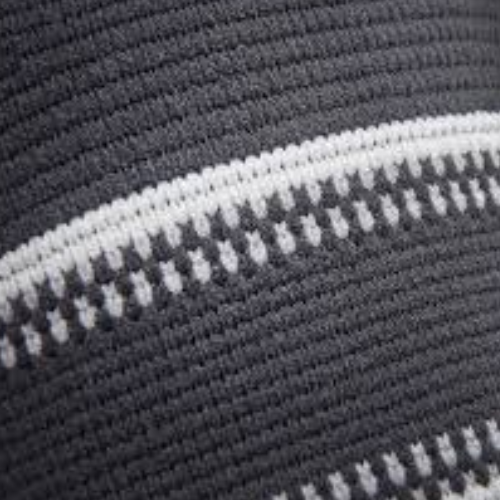
Elastic Fabric Blends (Spandex, Nylon, Latex) : The Lifestyle & Recovery Option
These sleeves feel more like a snug sock than a firm brace. They’re made for lifestyle and recovery, not heavy lifts. Fabric sleeves breathe well and wick sweat away, so you can wear them comfortably for hours. Some have silicone dots to stop slipping, and most brands sell them as “compression” or “medical-grade” supports. They’re great if you’re dealing with mild swelling, arthritis, or nagging joint pain during everyday activities—like work or hiking.
Just don’t expect them to handle the stress of a deep squat with a loaded barbell. They stretch too much and won’t give you any extra “pop” at the bottom. What they do best is keep your knee cozy, help blood flow, and make you more aware of how you move.
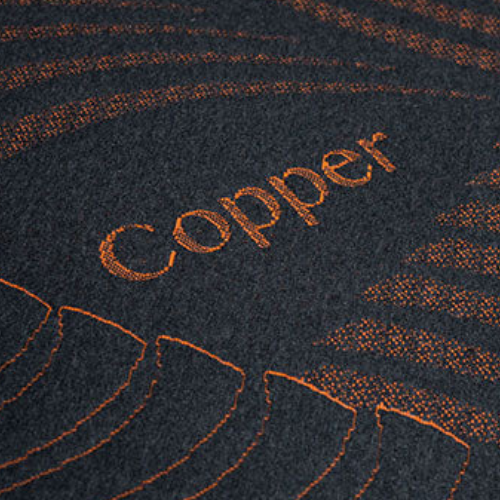
Copper-Infused and Menthol-Treated Fabrics: Performance Upgrade or Marketing Gimmick
Finally, you’ll see sleeves boasting copper-infused or menthol-treated fabrics. Honestly, these features are mostly marketing fluff. Copper might cut odor a bit, but it doesn’t make your knee any more stable. Menthol gives a brief cooling sensation, so your knee feels nice for a moment, but that doesn’t fix anything below the surface. If you buy these, just treat the copper and menthol as little perks—they’re not game-changers for performance.
Bottom line: pick neoprene for short, intense workouts. Choose fabric blends for comfort and daily wear. And don’t get too caught up in funky gimmicks.
Neoprene vs Elastic Fabric: How to Choose the Right Knee Sleeve Material
Neoprene and elastic fabric aren’t competing for the title of “best.” They’re built for different jobs. Knowing which job fits your life is what changes everything.
The Core Differences, Laid Out
| Dimension | Neoprene | Elastic Fabric |
| Breathability | Non-breathable; traps heat | Very breathable; continuous airflow |
| Support Level | Firm, rigid — built for serious injuries | Mild to moderate — suited for minor issues |
| Compression | Excellent, stable, unwavering | Adjustable via straps; less firm overall |
| Durability | Long-lasting under heavy, repeated use | Loses elasticity with frequent washing |
| Heat Retention | High — warms joints, boosts circulation | None — lightweight, temperature-neutral |
| Moisture Management | Absorbs sweat; odor risk over time | Moisture-wicking; machine-washable |
| Primary Goal | Performance & Mechanical Support | Recovery & Pain Management |
| Best For | Squatting, CrossFit, Powerlifting | Running, Work, Post-Surgery Rehab |
Match Your Material to Your Situation
Go with neoprene if:
– You’re training heavy — powerlifting, high-impact CrossFit, any session above 80% 1RM
– Cold-weather training is your reality. Neoprene’s heat retention gives you a real edge out there.
– You’re dealing with a serious injury or chronic joint pain. It keeps compression steady and warmth consistent.
– You’re exposed to external moisture. Neoprene’s waterproof build handles conditions elastic fabric can’t.
Go with elastic fabric if:
– Long runs, warm gyms, or extended wear are in the picture. Breathability becomes non-negotiable.
– You’re in active recovery or light training. Range of motion matters more than restriction at this stage.
– All-day comfort and machine-wash convenience are just as important as performance.
– Skin sensitivity or odor control is a real concern.
The Smart Play: Rotate Both
Serious athletes don’t pick one and ignore the other. They rotate.
- Training days → Neoprene for firm compression and muscle activation
- Recovery days → Elastic fabric for breathability and natural movement
- Warm seasons → Elastic fabric as your go-to
- Cold seasons → Neoprene takes the lead
Here’s something worth knowing: elastic fabric stretches over 500% and snaps back without losing shape. That makes it ideal for dynamic, full-range movement. Neoprene holds controlled, moderate-range compression session after session. Neither is better than the other. Both earn their place — at the right moment, for the right reason.
How do you choose the right material setup for your market?
The ideal materials depend on your product, your target audience, and how customers actually use the sleeve.
If reviews highlight durability and comfort, go with nylon-based constructions. If fit retention and support are the main drivers of positive feedback, opt for stronger spandex systems and denser knits. Only use copper positioning when you can back it up with wash-resistant construction and transparent test data.
Below are some common use-case pairings that perform well in the market.
For high-motion, high-perspiration sports and training
The nylon-led surface delivers lasting durability that minimizes pilling.
Excellent shape retention reduces slippage and prevents the garment from feeling loose after washing, while zoned knits reinforce high-friction areas.
Because basketball and baseball sleeves experience different patterns of friction and contact, custom knee braces to each sport’s specific movements is essential.
For daily use and work environments — where long-lasting comfort is the top priority
Factors like a soft feel and smooth seams are essential.
Many users tend to prefer a moderate level of compression.
Comfort is just as important as the fabric used for the main body of the garment.
When customers report issues with slipping, the root cause is often a combination of three factors: inadequate fabric recovery, poor design, and insufficient friction.
For product distinction through story-driven SKUs
- Copper-based positioning is effective only when authentic and backed by evidence
- “Copper” must not take the place of proper comfort and fit engineering
- Well-defined claim limits help avoid customer backlash and returns
The reality is this: the quickest path to higher customer satisfaction isn’t new buzzwords—it’s consistent sizing, reliable shape retention, and long-lasting high-wear areas. Let me know if you’d like a more formal, concise, or brand-voice-specific version.
Conclusion
Here’s the truth about knee sleeve material: there’s no universal winner. There’s the right match for your training or marketing reality.
Neoprene is the top choice for heavy lifting. Elastic fabric blends take the lead on breathability and all-day comfort. And specialty treatments like copper-infused fibers? Worth knowing about — but skip the premium price tag until you’ve got the basics covered first.
What matters most is simple: know your training intensity. Know your market. Let those two things drive your decision — not the flashiest label on the packaging. So here’s your next move:
- Grab the buyer’s checklist from this guide
- Match your main use case against the material comparison table
- Buy with confidence, not guesswork
- If you want to update your product line, contact AOFIT, your reliable ODM&OEM brace manufacuter, directly.
Your knees carry you through every rep, every mile, every comeback. They deserve a sleeve picked with the same focus you bring to your training.
Choose smart. Train hard. Protect what matters.