
Back support belts—often referred to as back braces—can offer stability, encourage better spinal alignment, and restrict excessive motion, all of which may help ease discomfort. Still, a common concern among users is How Long to wear a Back Brace. This article examines the benefits and drawbacks of back brace use, offering practical advice on finding the right balance between receiving adequate support and preserving natural muscle function. In addition, we’ll cover key stretching routines and movement practices to help reduce back pain and prevent muscle weakening, along with suggested daily wear times and overnight pain-management approaches.
Why shouldn’t you wear a back brace all day?
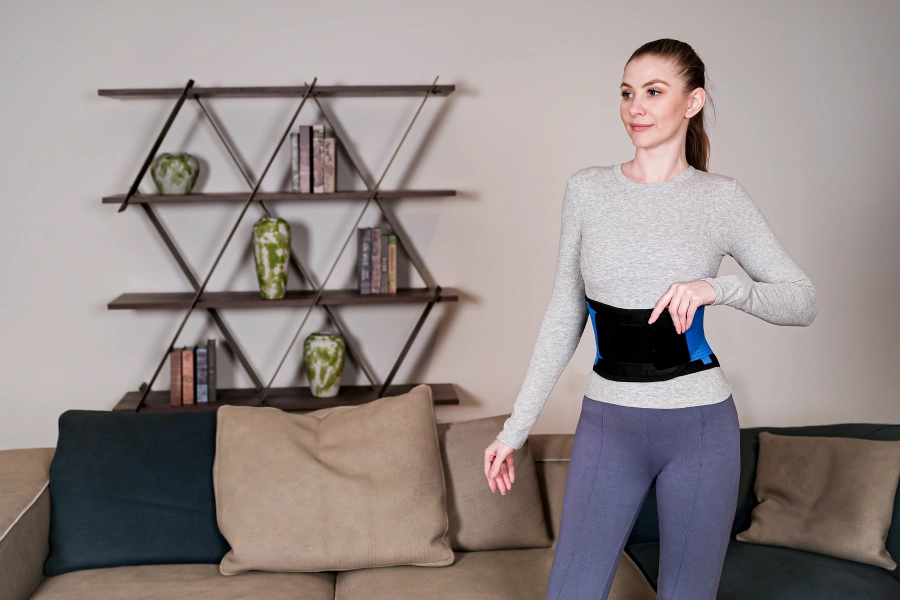
Although back support belts can provide quick, short-term pain relief, their overuse poses a significant concern. Relying on the brace constantly may cause the core and spinal muscles to weaken over time, potentially resulting in muscle atrophy—a progressive loss of strength and mass in the abdominal and lower back regions. This growing dependence on artificial reinforcement can ultimately aggravate your underlying issue rather than resolve it.
What Determines How Long to Wear a Back Brace?
There’s no universal rule for how long a back brace should be worn—the timeline varies widely based on individual health factors and treatment goals. Below are the key elements that influence that decision.
Pain Intensity
For sudden back pain caused by a recent injury or muscle strain, a brace is typically used for a short period—often just a few days to a couple of weeks. This short-term support helps ease discomfort during the most painful phase of recovery.
For those dealing with persistent lower back pain, longer use may be necessary. However, it’s equally important to tackle the root causes of the pain rather than relying solely on the brace. A healthcare professional will evaluate your pain level and customize the wearing schedule accordingly.
Nature of the Injury or Condition
The specific diagnosis also shapes how long bracing is advised. More serious issues—like herniated discs or vertebral fractures—often call for extended wear to ensure proper healing and spinal stability.
In some acute cases, the brace is introduced early in treatment and gradually phased out as the injury mends and symptoms ease. For long-term conditions, it might be used on and off over time, mainly to improve posture and offer periodic reinforcement.
Professional Medical Advice
Above all, the most reliable guide is the recommendation of your doctor or physical therapist. These specialists take into account your unique medical history, current symptoms, and overall recovery trajectory.
They’ll also track your progress over time and tweak the plan as needed—for instance, slowly cutting back on brace time as your pain diminishes and your supporting muscles grow stronger.
How Long to Wear a Back Brace? A General Timeline
Ultimately, your doctor will give you the most personalized advice, but the following general framework can help you understand what to expect during recovery.
The Acute Stage
This initial period usually begins when you’re dealing with sudden, intense lower back discomfort. The main objective here is to offer fast pain relief and stabilize your spine while natural healing gets underway. Exactly how long this stage lasts depends on the severity of your condition.
For those with minor to moderate pain, physicians often suggest using the brace for roughly one to two weeks. If your injury is more serious or the pain is debilitating, this phase could be extended to several weeks to keep the spine still and protect repairing tissue.
The Transitional Stage
Once the acute phase winds down, you’ll generally move into a transitional period. Now the emphasis changes—the goal is no longer just support, but rebuilding core strength and correcting posture to ward off recurring issues.
Under the guidance of your therapist or doctor, you’ll start scaling back how often you wear the brace. This could mean using it only for certain hours of the day, during particular tasks, or whenever you feel you need extra reinforcement.
This stage places a strong focus on therapeutic exercises designed to fortify the muscles that surround and support the spine. As your conditioning improves, you’ll rely on the brace less and less, allowing your body to take over the job of self-stabilization.
Activity-Specific Use
Further along in your recovery, brace usage often becomes task-dependent. Rather than wearing it regularly, you’ll put it on only for actions that put extra pressure on your lower back—for instance, heavy lifting, athletic activities, or prolonged sitting.
Quick Daily Wear-Time Reference
| Situation | Daily Duration | When to Use It | Key Notes |
| Acute injury (first 2 weeks) | 4–6 hours | During any physical movement | Take it off while resting |
| Recovery stage (weeks 3–4) | 2–4 hours | Only for strenuous tasks | Begin reducing dependence |
| Work-related use | During job duties only | While on the job; remove during breaks | Not to exceed 8 hours |
| Sports / fitness activities | 30–90 minutes | Just during the workout session | Maximum 8 hours total |
Warning Signs: When to Cut Back or Take a Break from Your Brace
Pay close attention to what your body is telling you—it will let you know when you’re pushing things too far. If any of the following occur, it’s time to stop using the brace or scale back your wear time immediately:
- Worsening Pain: Your brace is meant to ease postural tension, not cause additional discomfort. If you notice sharp, stinging sensations or a steady increase in achiness, remove it right away.
- Pins and Needles or Loss of Sensation: These symptoms may signal that the brace is fastened too snugly, potentially pressing on nerves or hindering circulation.
- Skin Troubles: Friction marks, redness, or irritation beneath the straps are clear indicators that you need to loosen the fit, put on a layer of clothing underneath, or shorten your wearing sessions.
- Muscular Weakness or Exhaustion: If you find it difficult to maintain an upright posture without the brace, that’s a strong hint you’re growing overly reliant on it. This is your cue to ease off and prioritize strengthening exercises instead.
- Emotional Reliance: Feeling uneasy or vulnerable whenever you’re not wearing it? Remember, the brace is simply a support aid, not a protective shield.
Finding the Right Balance While Wearing a Back Brace
To get the most out of a back support belt while avoiding potential drawbacks, it’s important to adopt a thoughtful, well-rounded approach.
Seek Professional Advice First
Before using a back brace, consult a doctor or physiotherapist. They can offer tailored advice on how long and how often you should wear it, based on your specific condition. While back braces can be highly effective for managing acute lower back pain, they work best as part of a broader treatment plan—not as a standalone solution.
Select the Right Brace for Your Needs
Ensure a Proper Support
Not every brace is suitable for every situation. To find the right type of back brace, consider your daily activities, posture, body type, and the specific area of your spine that needs support—whether lower, middle, or upper. In some cases, full spinal support may be necessary. A qualified brace specialist can guide you through these factors to ensure you get a model that truly addresses your condition.
Get Measured Accurately
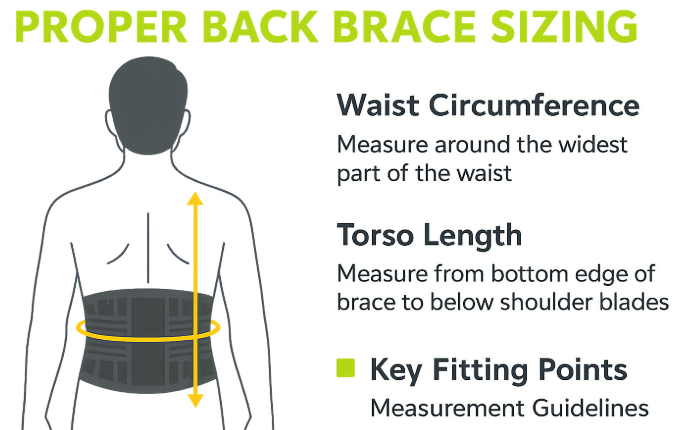
Sizing varies significantly between back brace manufacturers, with each brand using different reference points for measurements. To ensure a proper fit, work with a trained provider who understands these differences and can take the correct measurements according to the specific manufacturer’s guidelines. During the fitting process, it’s essential to stand or sit in a neutral, relaxed posture. This helps capture accurate measurements and ensures the brace conforms correctly to your body, which is key to both comfort and effectiveness.
Choose the Right Brace Height
Depending on your injury or condition, your brace may need to cover your tailbone and lower back. A physician or orthotic specialist can help you determine the ideal height to promote proper healing and spinal alignment.
Wear the Brace Correctly
- Place the belt over the natural curve of your lower back,
- wrap it evenly around your waist and abdomen.
- Tighten the straps until the brace feels snug and supportive, but not constricting.
You should be able to breathe and move without difficulty. Unless your doctor advises otherwise, avoid wearing a back brace while sleeping. The brace should never impede circulation—excessive tightness can reduce blood flow and cause discomfort.
Gradually Reduce Usage Over Time
As your pain lessens, slowly decrease the amount of time you spend in the brace. This gradual transition encourages your core and back muscles to rebuild strength naturally and helps prevent muscle weakening over time.
Incorporate Stretching and Strengthening Exercises
Using a brace alone isn’t enough—pairing it with targeted exercises is essential for preserving muscle tone and flexibility. Consider adding the following moves to your routine:
- Pelvic tilts
- Cat-cow stretches
- Bird-dog exercises
- Bridges
- Planks
Balance Daytime Wear with Smart Nighttime Habits
During the day, reserve the brace for activities that tend to aggravate your pain, such as heavy lifting or long hours of sitting. At night, focus on creating a sleep environment that supports your spine—choose a supportive mattress, maintain a back-friendly sleeping posture, and use pillows strategically to keep your spine properly aligned.
Conclustion
Determining the appropriate duration for wearing a back brace is key to supporting a safe and effective recovery from lower back pain. Typically, wearing the brace for 2 to 6 hours a day, specifically during physically taxing tasks, helps stabilize the spine and alleviate undue pressure. In cases of more severe injuries, like vertebral compression fractures, a physician may prescribe a structured bracing regimen lasting 6 to 12 weeks, after which use is gradually tapered off.
Although a supportive brace can encourage better posture and ease discomfort, it’s important to view it as a short-term aid rather than a standalone cure. For lasting relief, it should be paired with targeted muscle-strengthening exercises and consistent postural awareness.
Looking to source the ideal lower back brace for your business? Discover a diverse selection of customizable support and brace solutions tailored to meet a variety of needs.