
At first glance, it makes perfect sense—if a back brace provides support during the day, surely it would be even more beneficial at night. However, physiotherapists generally advise against wearing one while sleeping unless specifically recommended by a doctor or physio specialist. That’s because nighttime use can restrict blood flow, cause skin irritation, or lead to muscle weakness if you become too dependent on the brace. But the issue isn’t entirely black and white.
Whether sleeping with a back brace is right really depends on the reason you’re using it, the type of brace involved, and what your body actually needs while you rest.
As both a physiotherapy practice and a mobility equipment provider, we’ve helped thousands of people across Ireland find the right support solutions—and this guide is designed to help you do exactly the same.
When Sleeping with a Back Brace Is Generally Discouraged?
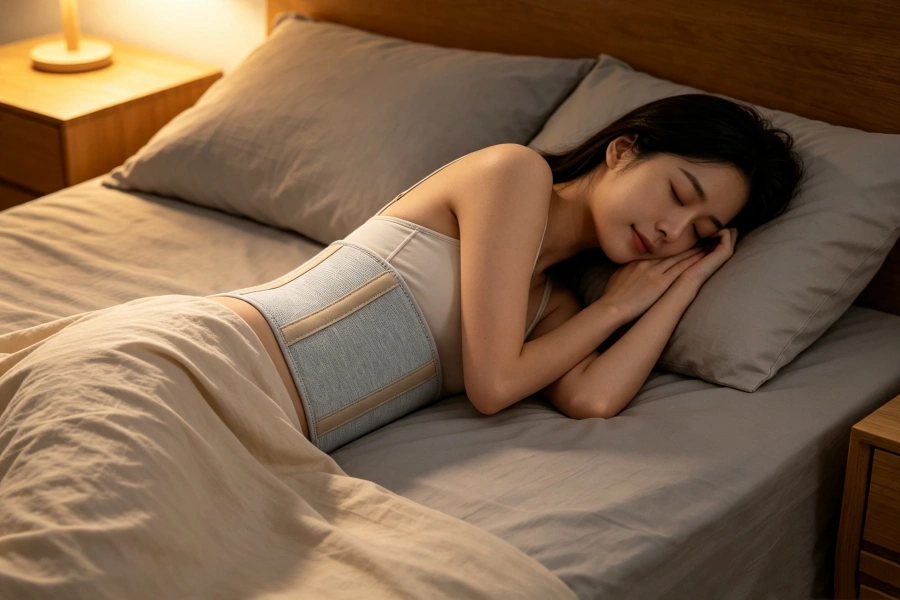
If you’re experiencing general lower back discomfort, muscle tightness, or a recent minor injury, wearing a brace while you sleep may end up causing more issues than benefits. Below are the main reasons why:
Your Spine Doesn’t Require Extra Support When You’re Lying Down
When you’re upright—standing or sitting—gravity places pressure on your spine, and a brace can help manage that load. However, once you lie down, your spine is typically in a neutral and well-supported position (provided your mattress offers adequate support). In this posture, external bracing is unnecessary unless you have a specific medical need.
Potential for Muscle Weakening
Back braces reduce the effort your core and spinal muscles need to exert. While this can be helpful during periods of acute pain or injury, relying on a brace for extended hours—especially overnight—may encourage muscle dependence. Over time, this can actually weaken your back rather than help it recover.
Interrupted Sleep and Skin Problems
Braces aren’t designed for breathability, and wearing one overnight can lead to:
- Excessive sweating or skin irritation
- Restless sleep due to physical discomfort
- Impaired circulation if straps are fastened too tightly
Rather than providing relief, a brace worn to bed might leave you feeling stiff and tired the next morning.
Exceptions: Sleeping with a Back Brace May Be Medically Recommended
Although sleeping in a back brace is generally discouraged, there are specific circumstances where wearing one at night can be beneficial or even necessary. In certain clinical situations, a doctor may advise nighttime bracing, including:
Recovery Following Surgery
After spinal surgery or a major injury, a specialist or physical therapist may require the use of a rigid brace around the clock, including during sleep. This approach helps:
- Keep the spine stable while tissues heal
- Prevent harmful twisting or bending movements during rest
- Reduce discomfort by limiting small, involuntary motions
In such cases, nighttime bracing is temporary and always carried out under professional medical guidance.
Treatment for Scoliosis
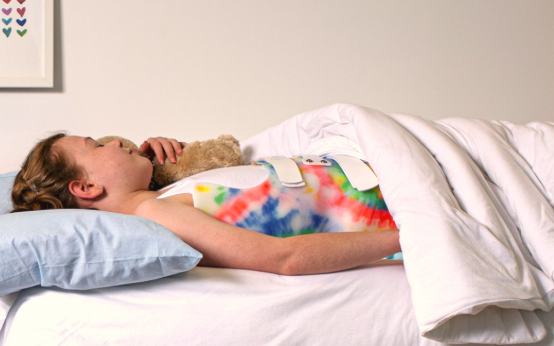
For adolescents with scoliosis—particularly those who are still growing—doctors may prescribe corrective braces designed to be worn overnight. These devices gently encourage proper spinal alignment during sleep and are part of a long-term strategy to improve posture.
Significant Instability or Degenerative Conditions
Individuals with advanced disc degeneration, spinal instability, or chronic structural issues may find that certain sleeping positions worsen their symptoms. A well-fitted back brace can help restrict excessive movement and alleviate discomfort, but only when recommended by a specialist.
Better Options Than Sleeping with a Back Brace
If you’re sleeping with a lumbar brace due to nighttime back pain, consider addressing the root cause more directly through the following approaches:
- Check your mattress for signs of sagging or lack of proper support
- Adjust how you sleep by placing pillows strategically
- Switch to a medium-firm mattress with pocketed coil support
- Add a high-quality mattress topper if your mattress is firm but otherwise in good condition
- Use an adjustable bed base set to the zero-gravity position
These options improve the actual environment in which your spine rests overnight, rather than artificially supporting it with a brace while your body should be fully relaxing.
If You Must Sleep in a Back Brace, Here’s How to Do It Safely
If your healthcare provider has recommended wearing a back brace while you sleep, focusing on comfort and safety is essential. Keep the following tips in mind:
Pick the Back Brace for Sleelping
Choose a model that provides structure with adjustable tension to make sleeping easier.
| Type | Best for Sleep/Rest | Key Benefit | Main Drawback |
| Soft elastic support | Short rest periods or testing comfort | Low bulk, easy to loosen | Less support than rigid or pulley braces |
| Simple lumbar wrap | Lounging or resting (not deep sleep) | Good for light positioning feedback | May shift or cause overheating overnight |
| Adjustable lumbar belt | When fit adjustment matters before sleep | More customizable than basic wraps | Can create pressure when side-sleeping |
| Structured daytime brace | Standing or walking, not sleep | Excellent daytime stability | Usually not comfortable for bedtime |
Consider Sleep Scenario
| If your nightly rest involves… | Choose this type | Why it works |
| Light support while reading or testing comfort | Soft elastic lumbar support | Lying down increases pressure and heat—less bulk is better |
| Simple wrap for short rest breaks | Criss-cross lumbar support | Provides mild support without full immobilization |
| Adjustable lumbar support before bed | Basic lumbar support belt | Allows fit tuning, but test while awake on back and side |
| Needing daytime lower-back support | Stabilizing lumbar brace | Designed for upright activities, not sleep |
| Active compression, not positioning | Compression lumbar support | Best for daytime use when back support is a broader concern |
Wear a Base Layer
Put a soft cotton shirt between you and the brace to reduce friction and skin irritation.
Avoid Overtightening
A snug fit is fine, but don’t restrict circulation. You should be able to slide two or three fingers under the straps.
Keep It Clean
Nightwear can get sweaty. Clean your brace regularly to prevent rashes or bacterial buildup.
Adjust Your Sleep Position
Experiment with sleeping positions that reduce strain, such as lying on your back with knees slightly elevated or on your side with a pillow between your knees.
Get Started with AOFIT Today
Sleeping while wearing a back brace comes with its own set of difficulties. Still, with the right strategies, you can enjoy restorative sleep without compromising the therapeutic advantages of your brace.
At AOFIT, we focus on delivering custom lower back brace solutions designed to balance comfort and effectiveness. With roughly 20 years of industry experience, we’ve partnered with numerous brands to support their needs.
Our team collaborates closely with you to ensure that your brace is optimized for both daytime activity and nighttime rest. Reach out to us today to find out how we can support you in achieving better sleep and improved spinal health!