
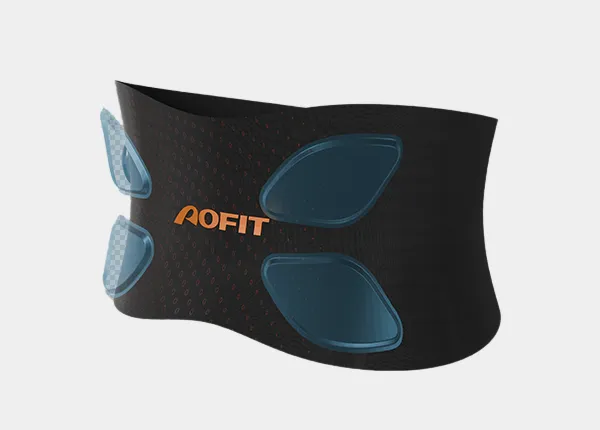
Lower back pain is a widespread and stubborn problem, touching people of every age and walk of life—from office workers to construction crews. Its effects can be anything from a minor annoyance to a crippling hindrance that steals your ease of movement and dampens your daily joy. But there is hope. By choosing the right supportive back brace for lower back pain, you can gain immediate comfort and structural stability, helping you break free from pain’s grip and rediscover your mobility and independence.
Understanding Lower Back Pain
To effectively address and recover from lower back pain, it is essential to first understand what lies beneath it.
What Causes Lower Back Pain?
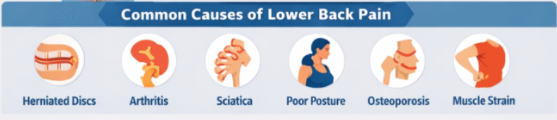
Muscle Strain
Pulling or overworking the lumbar muscles—whether through heavy exertion, poor lifting form, or abrupt motions—often results in soreness and reduced mobility.
Herniated Disc
Also known as a slipped disc, this happens when the gel-like center of a spinal cushion pushes through its tougher exterior, irritating adjacent nerve roots and generating discomfort.
Spinal Stenosis
A narrowing of the spinal passageway can compress the nerves running through the lower spine, provoking pain along with prickling or numb feelings.
Sacroiliac Joint Dysfunction
When the paired joints linking the base of the spine to the pelvis become irritated or shift out of proper alignment, pain frequently radiates across the lower back and into the buttocks.
Osteoarthritis
Wear-and-tear on the spinal cartilage over time can give rise to osteoarthritis, which brings persistent achiness and a loss of suppleness in the back.
Everyday Factors That Can Spark or Worsen Pain
Poor Posture
Habitually sitting or standing with a curved spine places undue burden on lower-back muscles, often fueling discomfort.
Insufficient Physical Activity
When the core and lumbar supporting muscles are weak, the spine lacks stability, making pain more likely to occur.
Extra Body Weight
Carrying surplus pounds adds mechanical load to the vertebral column and pelvic region, which can intensify existing back issues.
Sedentary Habits
Lengthy stretches of sitting or remaining still tend to tighten muscles and encourage stiffness in the lower back.
Mental Stress
Emotional strain frequently translates into bodily tightness, and the lower back is a common site for this stress-induced tension.
How Do Different Types of Lumbar Back Braces Work for Pain Relief?
Lumbar back braces are designed to encircle your waist and lower spine, functioning almost like a tailor-made, unseen shield. Constructed from a blend of materials—from lightweight, air-permeable neoprene to firm, durable plastics—its primary purpose is straightforward: to offer comfortable compression and dependable reinforcement for your back. Premium models often come equipped with adjustable fasteners and pliable stays, so you can fine-tune the fit to your unique contours and enjoy reliable, lasting comfort throughout the day.
Flexible Back Braces
Flexible back braces are constructed from pliable, comfortable materials—commonly cotton-elastic blends, durable canvas, or neoprene (a synthetic, rubber-like fabric). This category includes three main styles: corset-style braces, lumbar belts, and sacroiliac (SI) belts.
Design Variations Among Flexible Braces
Lumbar belts and corsets are available in a broad range of sizes and configurations. A corset brace, true to its name, resembles a traditional fashion corset and permits a limited degree of bending. To enhance stability and gently curtail motion, these corsets often incorporate vertical stays made of metal or rigid plastic along the front, back, or sides.
In contrast, lumbar belts and SI belts are typically constructed from firmer, stay-free fabrics. They are designed to offer a greater level of movement restriction compared to corsets, providing more substantial support for the lower back and pelvic region.
How Flexible Braces Help Alleviate Lower Back Pain
These supports work through several therapeutic mechanisms:
- Postural adjustment – by exerting gentle pressure around the torso, they encourage better alignment and help redistribute body weight away from the spine.
- Muscular support – they lend additional stability to the spinal column, reducing strain on weakened or fatigued muscles.
- Controlled mobility – they moderately limit range of motion, permitting only safe bending and twisting. For example, while wearing a flexible brace, you may be able to bend forward to knee level, but not beyond it.
- Joint stabilization – through firm compression of the torso or pelvis, they minimize unwanted micro-movements at unstable or lax joints—particularly beneficial with lumbar and SI belts.
- Heat retention – the insulating effect of the brace helps soothe and relax tense, tight muscles.
Professional Guidance Is Key
To ensure both safety and effectiveness, it is strongly advised to consult a healthcare professional for proper sizing and fitting. A doctor or specialist can help determine the most suitable brace type and fit for your individual needs, maximizing the likelihood of meaningful pain relief.
Semi-rigid and Rigid Back Braces
Rigid back braces feature a durable outer layer—typically cotton or canvas—that encircles the torso, reinforced with hard panels positioned along the front, back, and occasionally the sides. Some designs also incorporate rigid metal or plastic struts running along the exterior for added structural integrity.
Semi-rigid back braces occupy a middle ground, blending characteristics of both flexible and rigid orthoses. For example, a standard flexible lumbar belt may be enhanced with extra padding or molded plastic inserts to deliver increased support and stability beyond what a purely soft brace can offer.
Therapeutic Mechanisms
Both rigid and semi-rigid supports alleviate lower back discomfort through several key actions:
- Postural realignment – they exert firm pressure around the torso to encourage proper spinal alignment and redistribute weight from the vertebral column toward the abdominal region.
- Substantial structural support – they offload strain from compromised spinal tissues, including muscles, joints, intervertebral discs, and nerve roots.
- Restricted mobility – they markedly limit forward, backward, and lateral bending, as well as rotational movements of the trunk, to protect vulnerable areas.
- Minimized micro-motion – by stabilizing individual spinal segments or fracture sites, they reduce irritating jarring movements, thereby creating favorable conditions for healing.
- Muscle relaxation – the insulating warmth generated by the brace helps ease muscular tension.
Clinical Evidence
Research supports the efficacy of rigid braces: one study found that participants using a rigid back brace experienced greater improvements in both disability scores and pain levels compared to those using a flexible alternative.
Professional Fitting and Customization
Rigid braces may be custom-fabricated for an individual or assembled from a selection of prefabricated components. Regardless of the approach, proper fitting is essential—this should be carried out by a physician, an orthotist (a specialist in brace design and application), or another qualified healthcare professional. A precise fit ensures the device is not only safe and comfortable but also optimally effective for the user’s specific condition.
Factors to Consider When Choosing a Back Brace for Lower Back Pain
Selecting the right back brace is key to effectively relieving and supporting lower back pain. To get the most benefit, you’ll want a brace that fits well, feels comfortable, and delivers the right level of support for your specific condition. Keep the following factors in mind when making your choice:
Comfort and Fit
A proper fit is fundamental. The brace should conform to the natural shape of your lower back and abdomen without pinching or restricting your movement. Pay attention to sizing and adjustability—too tight and it becomes uncomfortable, too loose and it won’t offer enough support. Features like cushioned pads, soft linings, and smooth edges can make a big difference for all-day wear.
Support Level
Back braces range from mild elastic support to rigid stabilization. For mild to moderate pain, a corset-style elastic belt may suffice. If your pain is more severe or you’re recovering from surgery, a rigid plastic brace may be necessary for added stability.
| Activity | Key Considerations | Example Scenarios |
| Everyday Use | Comfortable, breathable, light support doesn’t impact daily activity | Long hours at desk, light chores, preventative care |
| Sports Use | Good stability, durable, moisture-wicking, moderate support | Gym, running, basketball, weightlifting |
| Medical/Rehab | Strong fixation, restricts movement, doctor recommended, high support | Post-spinal surgery, severe disc herniation, chronic back pain patients |
Material and Breathability
Fabric matters, especially if you plan to wear the brace for long periods or during physical activity. Choose lightweight, durable materials that wick moisture and allow air to circulate, helping keep your skin dry and comfortable even in warm conditions.
Adjustability
An adjustable brace lets you tailor the compression and support to your changing needs. Straps or fastenings allow you to fine-tune the fit as your body shape or pain levels fluctuate.
Daily Routine Fit
If you’re active, opt for a design that allows freedom of movement. If you spend long hours sitting, a brace with a built-in lumbar roll or cushion can help support proper posture while seated.
How to Maximize Your Back Brace’s “Power”?
Wearing a back brace is a good start—but to truly benefit, you’ll want to go beyond just putting it on. Here are some practical strategies to help you get the most out of your support wear.
Pair It with Core Workouts – The Perfect Companion
While a back brace offers valuable support, depending on it too heavily over time may actually lead to weaker core muscles. That’s why combining it with gentle, targeted core exercises is a smart move. For best results, always seek advice from a qualified physical therapist or physician, who can design a safe and effective routine tailored to your individual needs.
Find Your Ideal Fit – Precision Matters
Getting the right size is essential. A brace that’s too loose won’t provide adequate support, while one that’s too tight can cause discomfort. To find your perfect match, take a flexible tape measure and wrap it around your waist at navel level—firm enough to stay in place, but not squeezing. Once you have your measurement, compare it against the brand’s specific size guide to ensure a fit that’s both comfortable and effective.
Keep It Clean – Extend Its Lifespan
Just like your favorite garments, your back brace benefits from regular care and maintenance. Proper cleaning not only preserves its condition but also promotes good hygiene. Always follow the manufacturer’s care instructions—typically, hand washing and line drying are recommended, while machine washing and high-temperature drying should be avoided to prevent wear and tear.
Conclusion
It’s time to stop letting back pain hold you back. A well-designed lumbar brace does more than stabilize—it opens the door to a more comfortable, pain-free lifestyle. Treat your lower back to the support it truly deserves, and take that positive step toward feeling better every day.
When evaluating products for your brand, prioritize the technical details that affect fit and function. For sleeves, pay close attention to the knit structure and the consistency of compression. For braces, the quality of edge finishing is key to durability and comfort. Ultimately, the most effective product is one your customers can wear correctly and feel confident using every day.
As a custom brace manufacturer, AOFIT offers full flexibility in customization and maintains strict control over every stage of production. Our facility is certified to CE, ISO13485, and BSCI standards, reflecting our commitment to quality and ethical manufacturing. To further support your brand, we back many of our product lines with a 3-year warranty—giving you a reliable foundation for after-sales service and long-term customer satisfaction. We invite you to explore our complete OEM/ODM lower back brace manufacturing guide. It walks you through the entire process, from concept to delivery.