
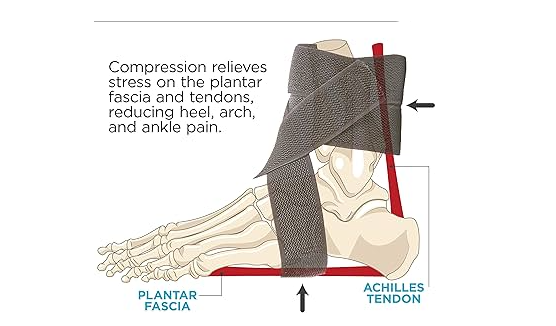
That sharp, stabbing heel pain — the kind that hits hardest with your very first steps out of bed — is one of the most frustrating parts of plantar fasciitis. You’ve heard that an ankle brace for plantar fasciitis can help. But you’re not sure if it’s worth it, which type to get, or whether it’ll make a real difference for your situation.
The right brace, worn the right way, can cut down heel pain, protect your plantar fascia while it heals, and get you moving again without dreading every step. Here’s what you need to know to make that happen.
Do Ankle Braces Help with Plantar Fasciitis? (The Direct Answer)
Yes. And the clinical evidence is solid: 60–80% of plantar fasciitis patients see meaningful pain reduction within 4–6 weeks of consistent brace use. This isn’t a marketing claim. It’s the reason ankle braces now hold a spot as a first-line treatment in clinical guidelines — ranked above stretching alone.
One critical caveat: a brace on its own falls short. Research shows braces perform best as part of a full plantar fasciitis treatment plan — paired with stretching, physical therapy, and the right footwear. Think of it as managing the load on your foot, not eliminating it.
Also, there is one thing you can’t skip: fit matters above everything else. Too tight and you cut off circulation. Too loose and you get zero real support. The right fit is what puts you in that 60–80% success range.
How Ankle Braces Relieve Plantar Fasciitis Pain
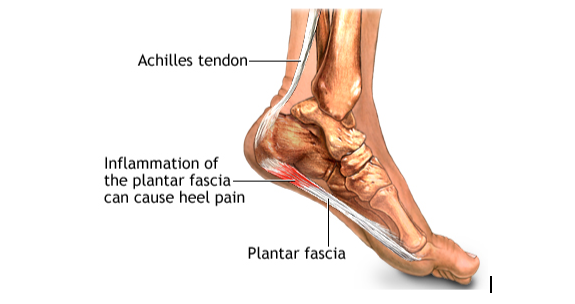
Your plantar fascia is a band of tissue running along the bottom of your foot. Three things keep damaging it:
- Arch collapse — your arch flattens. This pulls the fascia tight and creates micro-tears where it anchors to your heel
- Overpronation — your foot rolls inward. That rolling adds strain on every single step
- Overnight shortening — your foot stays pointed down for 6–8 hours. The fascia contracts. Then your first morning step tears right into that tightened tissue
A good ankle brace targets all three problems at once. It does this through four distinct mechanisms:
| Mechanism | What It Does |
| Arch Support | Stops arch flattening, shifts pressure away from your heel, and absorbs shock. Studies show arch support reduces pain in up to 89% of patients |
| Ankle Stability | Limits inward and outward rolling, cuts down on overpronation, and activates the peroneal muscles to resist harmful foot movement |
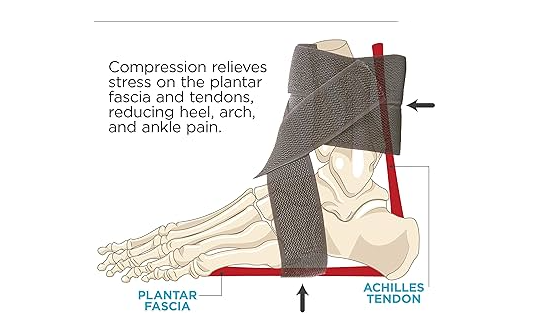
| Compression | Reduces swelling and inflammation through direct pressure — this is real physiological change, not just comfort |
| Dorsiflexion Stretch | Hold your ankle at ~90° overnight. This slowly stretches the fascia and Achilles tendon instead of letting them tighten for hours |
Daytime Ankle Brace vs. Night Splint for Plantar Fasciitis: Key Differences
Two tools. One problem. Very different jobs.
People often assume these are interchangeable — pick one, strap it on, done. A daytime ankle brace and a night splint hit plantar fasciitis at different points in the pain cycle. Using the wrong one is like showing up with an umbrella after the storm has already passed.
Here’s the core distinction:
| Daytime Ankle Brace | Night Splint | |
| When you wear it | During activity | While sleeping |
| What it targets | Walking pain, pronation, arch collapse | Morning stiffness, overnight tissue shortening |
| How it works | Compression + arch support + motion control | Holds foot at 90° for prolonged passive stretch |
| Movement | You can walk with ease | Foot stays fixed |
What Each One Does
A daytime ankle brace manages the load on your plantar fascia in real time. Every step. Every hour on your feet. It controls that inward rolling motion, holds your arch up, and cushions heel pressure. Think of it as active protection during the hours when damage builds up.
| Different types of ankle braces used daytime | ||
| Your Situation | Best Match | Downsides |
| Mild pain during walking and light activity | Compression Ankle Sleeve(15–20 mmHg)Designed as elastic foot and ankle sleeves—with or without arch support and heel cushioning—they deliver mild support, compression, and stabilization for everyday use. | It provides less organized support and is less effective for serious or long-term conditions. It may also permit movements that still stress the affected area. |
| Moderate pain while walking or working | Adjustable Ankle BraceTypically fitted with straps, firm supports, or adjustable plastic pieces, braces allowed for greater motion regulation, stronger stabilization, and possibly better relief for moderate pain. | These options tend to be bulkier, potentially compromising comfort or breathability, might clash with your shoe style, are more noticeable, and may require retying. |
| High-impact pain occurs when walking and standing tasks | Gel-Padded and Cushioned Ankle SupportsThese include structural support as well as gel or foam padding placed under the heel or arch to soften impacts. This cushioning absorbs much of the shock, which is beneficial. | Extra bulk can cause a tight fit, gel pad durability is inconsistent, and the design lacks adequate stabilization for harsh conditions. |
A plantar fasciitis night splint works on a different schedule. Overnight, your foot drops into a downward-pointing position. The fascia shortens. Morning arrives. Your first step pulls that contracted tissue — that’s the glass-on-the-floor feeling so many people describe. A night splint breaks that cycle. It holds your ankle at 90° for the full 7–8 hours. No overnight contraction. No brutal first step.
How Long Should You Wear an Ankle Brace for Plantar Fasciitis
Wear duration isn’t one-size-fits-all. It shifts depending on how long you’ve had the pain and how severe it is.
Acute plantar fasciitis (recent onset): Wear your brace every day for the first two weeks. No skipping. Consistent support during this window makes the biggest difference to tissue recovery.
Chronic plantar fasciitis (months in): Switch to activity-based wear. Put the brace on before anything that tends to trigger heel pain afterward.
By Brace Type
- Compression sleeve: All-day wear during light activity
- Soft brace: Wear it through your regular movement to cut down on arch strain
- Rigid brace: Long walks, extended work shifts, high-load situations
- Night splint: Start at 2–3 hours. Add one hour each night until you hit 6–8 hours. That’s the point where the fascia gets enough stretch to actually lengthen
Severity-Based Timeline
| Severity | Active Wear Period |
| Mild | 1–2 weeks, then taper |
| Moderate | 3–6 weeks, activity-only by week three |
| Severe | 6–12 weeks, ongoing for high-risk movement |
Expect reduced morning pain within 2–4 weeks. Real, lasting relief builds between 2–3 months of steady use.
Wean when: Swelling drops, your balance returns, and pain stops following you through the day. Don’t push brace use past that point. Long-term bracing weakens the muscles your foot needs to stay healed.
Who Should Use an Ankle Brace for Plantar Fasciitis
Not every hurting heel belongs in a brace. Knowing which side of that line you’re on saves you weeks of wasted effort. It also keeps you from masking a problem that needs a doctor.
The Right Candidates
You’re a good fit if:
- Morning pain is your worst symptom. That first-step glass-on-floor feeling is what braces are built for. Clinical trials show 70–82% of patients see meaningful short-term relief within 4–8 weeks of consistent night splint use.
- You’re in the acute-to-moderate phase (under 4 months). Batt et al. (1996) found an 82% improvement rate when a night splint was added to NSAIDs and calf stretches — versus 56% without one.
- Chronic cases respond too. Powell et al. (1998) tracked chronic sufferers through a 1–2 month splint protocol. Pain relief held at the 4-month follow-up — not short-term masking.
- You’re combining treatments. Pair an adjustable dorsiflexion splint with accommodative orthotics. Lee et al. (2012) found this produces 25–30% better outcomes than using either tool on its own.
Who Should Use with Caution
Some users need a modified approach — not avoidance, just awareness:
- Diabetes: Circulation risk is real. Stick to soft silicone models and do skin checks every day.
- Pregnancy: Rigid splints don’t work well with edema and weight shifts. Go with adjustable neoprene, worn under 4 hours per night — that’s the safer call.
- Over 65: Lightweight auto-adjustable designs cut down on joint stiffness and sleep disruption.
- Active swelling: Ice and compression come first. Wait until swelling drops at least 20% before adding a neoprene splint.
Signs a Brace Won’t Cut It — and You Need More
Some signals mean it’s time to stop self-managing:
- No improvement after 3 months of consistent bracing, stretching, and footwear changes. Probe et al. (1999) confirmed splints add nothing over standard care at this stage — success rates flatten to 70% in both groups.
- Pain above 6/10 that limits walking. This points to fasciosis or structural damage. Imaging is needed.
- Night pain, bilateral symptoms, or numbness. These are not plantar fasciitis signs. They’re red flags for nerve involvement or something else altogether.
- No weight-bearing after 2 weeks — get assessed before strapping anything on.
A brace earns its place in recovery. But it’s a tool with a specific job — not a substitute for a diagnosis.
5 Best ankle brace options for plantar fasciitis Amazon
Here are 5 of the best ankle brace options for plantar fasciitis available on Amazon, based on customer reviews, support type, and value.
| Product Name | Best For | Key Feature | Price (Approx.) | Customer Sentiment |
| MODVEL 2-Pack Ankle Brace | All-day wear & compression | Breathable sleeve design, heel protectors | $22.20 | Highly rated for support, comfort, and quality |
| Copper Ankle Brace Support (Pair) | Reducing swelling & long length | Long fit, firm compression, comes in a pair | Varies | Good for swelling; check sizing (may run small) |
| Orapink Plantar Fasciitis Night Splint | Overnight stretching & morning pain | Adjustable splint, keeps foot at 90 degrees | Varies | Mixed; effective for some, but can be uncomfortable |
| ComfiLife Ankle Brace | Adjustable compression wrap | Adjustable wrap design with velcro | Varies | Mixed; effective for some, can be bulky or loose for others |
| ACWOO Adjustable Sports Ankle Support | Budget & sports activity | Very affordable, adjustable straps, 3D knit | 7.70−9.99 | Good budget pick; effective compression and support |
How to Choose the Right Ankle Brace for You
When choosing the right one, it’s important to keep several key features and considerations in mind.
Level of support and rigidity:
Lighter sleeves are suitable for mild discomfort. For moderate to high strain, or during activities like walking or standing for extended periods, you may need braces that include straps or rigid elements.
Comfort and fit:
Be sure to measure ankle circumference, foot width and arch height accurately. Braces that create pressure points or cause rubbing can reduce their protective effect.
Adjustability:
Look for features like straps, Velcro fastenings, or adjustable tension, which allow for a customized fit and can accommodate swelling.
Material quality and breathability:
Options made from neoprene or breathable fabrics with multiple perforations are ideal for areas prone to sweating, as they help prevent moisture and dirt buildup on the skin.
Cushioning:
Gel inserts placed under the heel or arch, along with cushioned heel cups, can help absorb impact.
Day vs. night design:
Night splints tend to be bulkier. Daytime supports should be relatively small and, if possible, fit inside a shoe—some models are designed for both day and night use.
Ease of use and cleaning:
Choose supports made from materials that can be easily wiped down or have removable, washable components.
If you’re uncertain, consult a podiatrist or physical therapist. In some biomechanical situations, custom-made braces or orthotics may be necessary.
Conclusion
Plantar fasciitis doesn’t have to own your mornings anymore.
The right ankle brace for plantar fasciitis does more than wrap your foot. It takes pressure off your inflamed fascia, stabilizes your arch, and gives your body the support it needs to heal. Grab a compression sleeve on a high-activity day. Strap on a night splint before bed. Each choice moves you one step closer to pain-free mornings.
But a brace works best as part of a bigger picture. Pair it with stretching, proper footwear, and a little patience. Plantar fasciitis recovery becomes less of a battle and more of a process.
Ready to update your product line? Contact AOFIT and Explore our custom ankle brace solutions.