
That nagging ache in your wrist after a long day of typing, lifting weights, or pushing through a tennis match, it’s your body waving a flag you shouldn’t ignore. A wrist compression sleeve works quietly but powerfully, applying gentle, consistent pressure that helps calm inflammation, ease swelling, and support the joint right where you need it most. But how exactly does that pressure translate into relief, and is it enough on its own, or does your situation call for something sturdier?
Whether you’re managing early-stage carpal tunnel symptoms, recovering from a sprain, or trying to protect your wrists during workouts, understanding the real mechanics behind compression therapy changes how you approach both prevention and healing. We’re breaking down exactly what a wrist compression sleeve does inside your body and where its limits lie.
The Core Mechanism Behind Wrist Compression Sleeves: Compression Mechanism
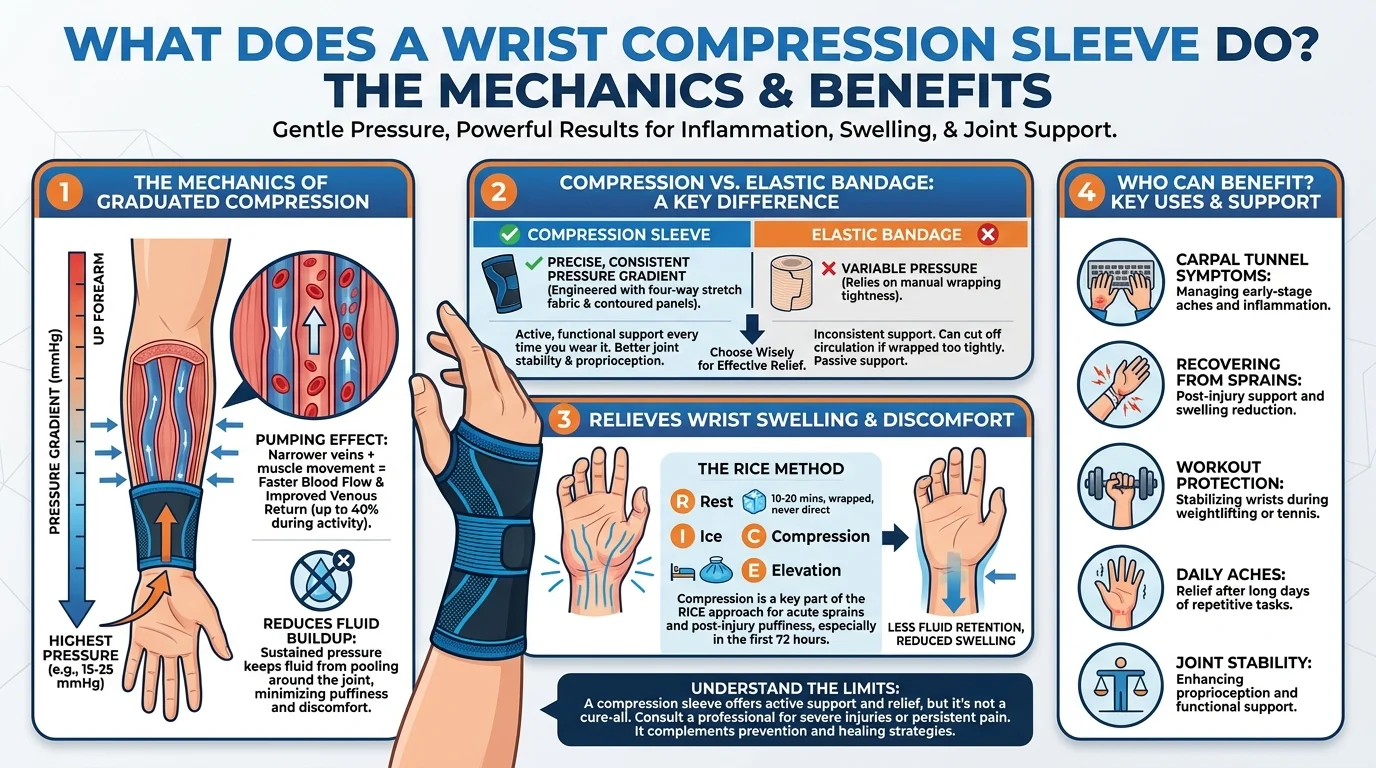
A proper wrist compression sleeve uses graduated compression. Pressure is highest at your wrist and gradually decreases as it moves up toward your forearm. It’s measured in mmHg, and for wrist wraps that pressure typically sits in the 15–25 mmHg range, enough to support without cutting off circulation.
The Pumping Effect
That gentle gradient slightly narrows your veins, which speeds up blood flow and helps push blood back toward your heart. This can boost venous return by up to 40% during activity. Your muscles and the sleeve work together to create a natural pumping action that keeps blood flowing.
Where the Swelling Goes
On a tissue level, this sustained pressure keeps fluid from pooling around the joint. That’s why wrist swelling relief is one of the most reported benefits. Less fluid buildup means less puffiness and discomfort.
Compression vs. Elastic Bandage
A compression sleeve is different from a standard elastic bandage. A bandage relies entirely on how tightly you wrap it. A compression sleeve is engineered with four-way stretch fabric and contoured panels to maintain that precise pressure gradient consistently, every time you wear it.
External compression leads to a smaller vein diameter, which leads to faster blood return, less fluid retention, reduced swelling, and better joint stability and proprioception. It’s active, functional support for recovery.
How a Wrist Compression Sleeve Relieves Wrist Swelling?
Swelling is your body’s alarm bell, and it responds beautifully to a simple combination: rest, ice, compression, and elevation. That classic RICE approach is still the gold standard for wrist sprain compression and post-injury puffiness. Your wrist compression sleeve does most of the work.
The First 72 Hours Matter Most
Ice: 10–20 minutes per session, every 2–6 hours, always wrapped in a towel—never directly on skin.
Compression: Snug enough to support, never tight enough to cause numbness, tingling, or discoloured fingers. If that happens, loosen immediately.
Elevation: Prop your wrist above heart level for 30–60 minutes, three to four times daily. Gravity does a lot of the heavy lifting here.
After 72 hours, if swelling lingers, switching to heat (15 minutes, every 4–6 hours) helps circulation carry away lingering inflammatory buildup.
Longer-Term Support
For sprains or synovitis-related swelling, some cases call for a brace worn consistently for 2–3 weeks during recovery. NSAIDs like ibuprofen can help manage pain and inflammation alongside your sleeve, and physical therapy modalities like infrared or ultrasound further support fluid resorption when swelling proves stubborn.
Improving Blood Circulation: Benefits for Athletic Performance and Recovery
A wrist compression sleeve helps keep your wrist in a neutral position, reducing the strain that comes from excessive bending. That’s chronic-injury prevention in action. Better blood flow is the engine behind faster recovery. When circulation improves, oxygen and nutrients reach your tissues more efficiently. Metabolic waste gets cleared out faster too. The result is less fatigue and a quicker bounce-back after tough sessions.
For Athletes
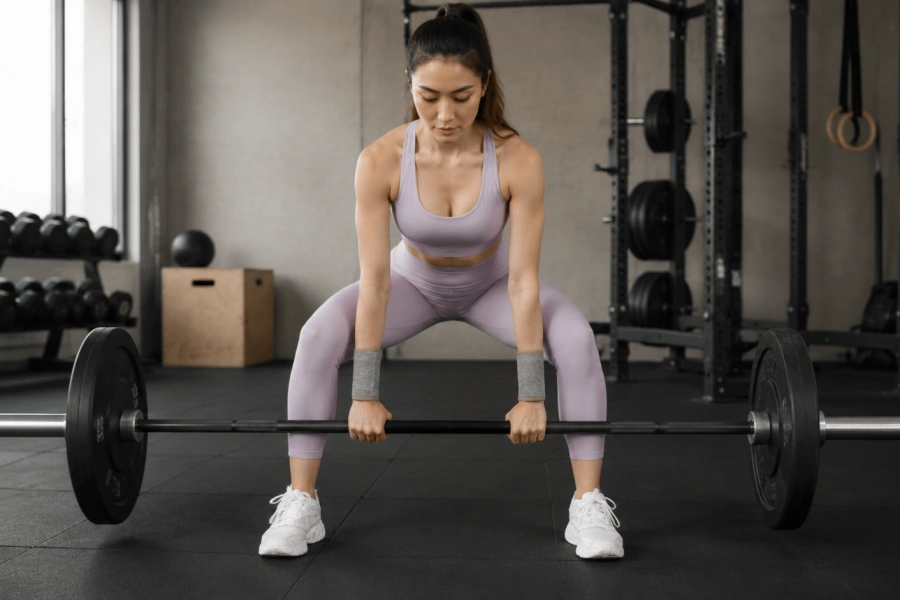
For sports that demand quick direction changes, like tennis, volleyball, or basketball, stability matters more than raw blood flow. A snug athletic wrist sleeve keeps the joint locked in place, cutting your risk of sprains and strains during explosive movements.
For Officers
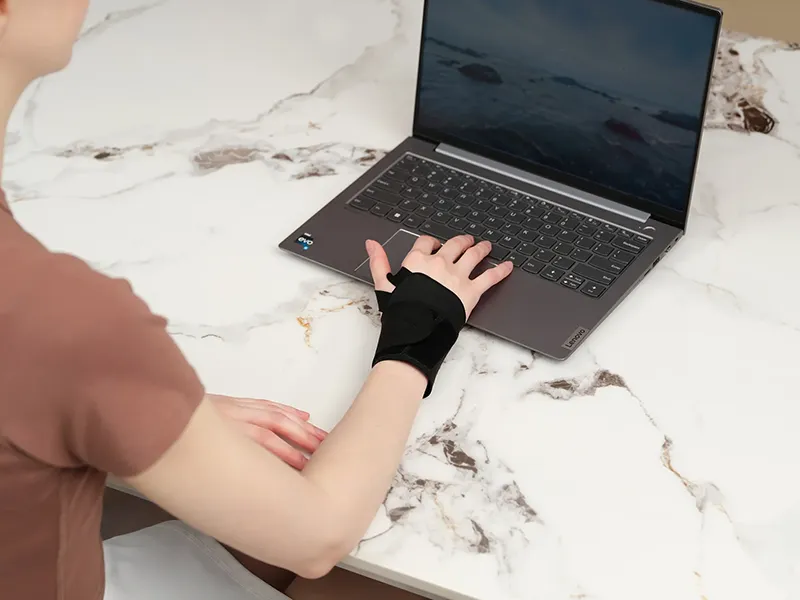
Hours of typing lead to stiffness and dull aches. A light wrist compression sleeve can ease that tension, keeping your wrists flexible through the workday.
If you need serious joint control, reach for an orthopedic brace instead. Elastic sleeves provide gentle support, but they won’t rigidly stabilize the wrist.
Joint Support & Proprioception
Your wrist has a built-in early warning system called proprioception. It’s your body’s ability to sense joint angle, limb position, muscle tension, and movement speed without looking. Clinically, it breaks down into kinesthesia (sensing motion) and joint position sense (sensing where you are in space). A wrist compression sleeve taps directly into this system.
Why That Snug Feeling Actually Works
Compression creates constant tactile input against your skin. That mechanical pressure feeds your nervous system extra data about where your wrist sits at any given moment. You notice deviation from neutral position faster, before it becomes a problem.
Stopping Hyperextension Before It Starts
Think bench press, push-ups, or barbell grips. Under load, wrists tend to drift into excessive extension, and that’s exactly where sprains happen. Gentle compression provides mechanical resistance against that end-range drift, keeping your joint closer to neutral and reducing repetitive stress buildup.
The Gym Application
Proprioceptive training often starts with something as simple as a 30-second single-leg stand, eyes open, then progresses to eyes closed, then unstable surfaces. Remove vision, and your body sways more—proof that sensory feedback matters. Your wrist sleeve works on that same principle: added feedback, better control, safer lifts.
Condition-Specific Pain Relief
Not all wrist pain comes from the same place, so a one-size-fits-all approach rarely works. A wrist compression sleeve adjusts its job depending on what’s going wrong beneath the skin.
Carpal Tunnel: Quieting a Compressed NerveIf you’re dealing with numbness, tingling, or that maddening nighttime ache that wakes you up, you’re likely facing pressure on the median nerve. A carpal tunnel wrist sleeve locks your wrist into a neutral position, stopping the flexion that happens while you sleep. This is mechanical relief, reducing nerve compression at its source.
Tendonitis: Giving Overworked Tendons a BreakWrist tendonitis relief comes down to less friction and less inflammation. Repetitive motion irritates the tendon sheath, and a sleeve limits that repetitive bending and sliding, letting inflamed tissue rest. Cochrane reviews on topical NSAIDs for soft-tissue strains found roughly 1 in 2 to 1 in 5 people experienced at least 50% pain reduction within about a week, which fits the low-friction, anti-inflammatory approach.
Arthritis: Stability Over StiffnessMorning stiffness and joint instability point toward gentle stabilization plus warmth, rather than heavy compression. Cochrane data on topical diclofenac and ketoprofen for hand and knee osteoarthritis showed 1 in 5 to 1 in 10 people achieved 50%+ pain relief over 6–12 weeks. That suggests arthritis responds best to combined support, warmth, and reduced joint load.If pain lasts beyond two weeks, disrupts sleep, or worsens, get it checked. Compression supports recovery, but it isn’t a diagnosis.
Warmth & Comfort Benefits for Chronic Discomfort
Cold mornings are brutal on stiff joints. Chilly rooms and damp weather genuinely aggravate morning stiffness, especially for anyone using arthritis wrist support to get through the day comfortably. A wrist compression sleeve traps warmth against the skin, keeping local circulation moving and easing that “just-woke-up” tightness before you’ve even reached for coffee.
Copper-infused sleeves are marketed for extra warmth and antibacterial perks, but current evidence points back to simple compression and coverage doing the real work, not the copper itself.
Use Case Breakdown: Sports, Office Work, and Recovery
The way you wear an athletic wrist sleeve—and when—depends entirely on what you’re doing. A sleeve that supports your wrist during a deadlift might feel distracting during typing, and a recovery sleeve does different work than either.
On the Field or in the Gym
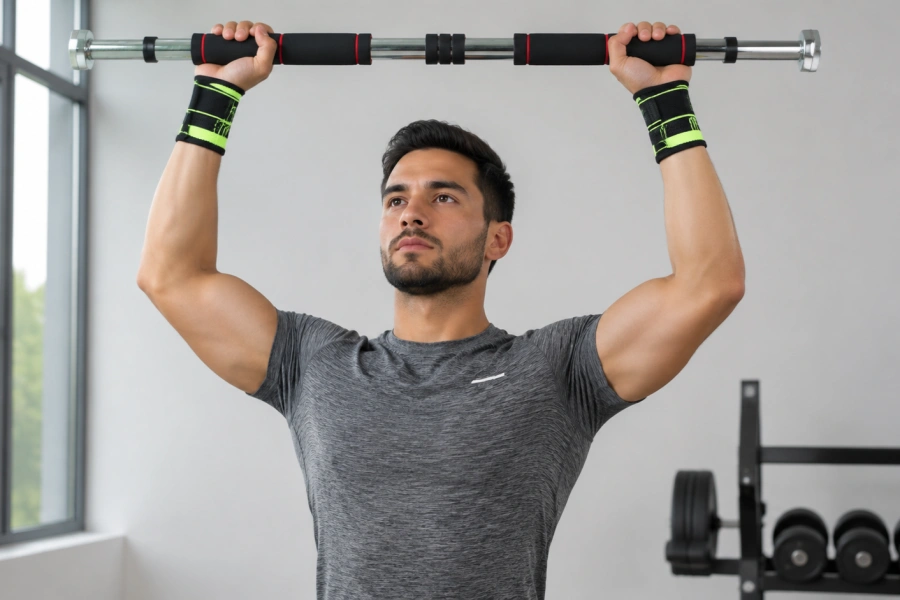
Nike‘s own guidance lists running, basketball, tennis, golf, volleyball, football, and weightlifting as the main uses for wrist compression sleeves, worn either during activity or in recovery afterward. For lifters, timing matters: skip the sleeve through bodyweight warm-ups, then slide it on for heavy sets and pressing movements, when wrist stability counts most. Tennis and badminton players, with all that repetitive swinging, benefit from wearing compression before, during, and after sessions. For lower-body compression sleeves, keep sessions under 5–6 hours, and first-timers should cap it at 2 hours. Take it off immediately if you feel swelling or dizziness.
At the Desk
Cold offices actually lower wrist temperature and slow circulation, so breathable, knitted wrist sleeves work best for desk-bound typists. A solid rhythm: wear for 90 minutes, then remove it and move your wrist before putting it back on. Aim for 4–6 hours total per day.
During Recovery
Sprains, strains, and post-surgical swelling call for daytime wear only—put it on when you wake up, take it off before bed. Lymphedema cases sometimes need up to 23 hours daily, but clinicians usually start patients with daytime-only wear and extend the time gradually. Stop immediately if pain gets worse, your fingers turn cold, or your heart rate spikes.
Limitations of Compression Sleeves: What It Doesn’t Do
A compression sleeve limits movement but leaves room for small movements, unlike a cast or rigid brace. That’s intentional, but it also means certain situations sit outside its wheelhouse.
When You Need a Wrist Hard Brace vs Compression Sleeve
Fractures, dislocations, and true joint instability call for something stronger. Braces lock the joint down; sleeves don’t. If your wrist feels like it’s “giving way” or slipping, compression alone won’t provide enough mechanical support.
Red Flags That Mean Stop and Escalate
Visible deformity or inability to bear weight after trauma
Swelling and pain that keep worsening instead of easing after 48–72 hours
A joint that feels unstable or “slippery” during normal movement
Sharp pain with basic tasks like gripping or rotating your wrist
If any of these show up, a compression sleeve isn’t the answer anymore. Acute injuries often need rigid, hinged, or fully wrapped support instead. When in doubt, see a professional—compression therapy for joints works best as support, not a substitute for proper diagnosis.
Compression Sleeve vs Hard Wrist Brace: How to Choose?
|
Feature |
Wrist Compression Sleeve |
Hard Wrist Brace |
|---|---|---|
|
Compression Level |
8–15 mmHg (light), 15–20 mmHg (moderate), 20–30+ mmHg (medical-grade) |
Relies on structural support—splints, stays, rigid shells—not measured in mmHg |
|
Degree of Restriction |
Low to moderate; movement stays unaffected |
Moderate to high; angle is fixed in place |
|
Best For |
Minor soreness, mild swelling, post-workout recovery |
Sprains, strains, carpal tunnel syndrome, arthritis wrist support |
|
Typical Construction |
Elastic knit, sleeve-style, snug fit |
Palm-to-wrist splint, thumb support, rigid wrap |
Quick Decision Guide
Minor soreness, a bit of swelling, and still want to stay active? Go with a wrist compression sleeve, starting at 8–15 mmHg.
Sharp pain, a sprain, or numbness at night? A hard brace with a splint is what actually gets the job done.
Carpal tunnel syndrome? Look for a brace with a palm-to-wrist support stay.
Pain on the thumb side (mommy thumb)? A brace with thumb support is the better fit.
Doing heavy manual work? A rigid wrap-style brace offers the best stability.
Whichever you choose, check the fit carefully: a wrist compression sleeve shouldn’t leave marks from cutting off circulation, and a wrist rigid brace shouldn’t dig into your skin or cause redness.
How to Choose the Right Wrist Compression Sleeve for You?
Grab a soft tape measure before you grab your wallet. Your wrist circumference at its narrowest point and your forearm circumference about 4 inches (10 cm) up from there are the two numbers that decide whether a sleeve works for you. Most brands size against these two spots because that’s exactly where fit and anti-slip performance live or die.
Getting the Fit Right
Too tight compresses the radial artery and median nerve, causing tingling fingers or a cold, pale palm. Too loose slides around and stops supporting anything useful. You should be able to slip one finger underneath. Snug, not painful. After 15 minutes of wear, there should be no numbness, no sliding, no overheating. That’s your green light.
Material Matters More Than You’d Think
|
Material |
Breathability |
Support |
Best For |
|---|---|---|---|
|
Nylon/spandex blend |
High, comfortable for long wear |
Balanced elasticity and durability |
Office days, extended training |
|
Neoprene |
Warmer, less airflow |
Stronger, usually 3–6mm thick |
Short bursts of high support |
|
Copper-infused fabric |
Odor control, moisture-wicking |
Depends on base fabric |
Frequent washers, sweat-prone users |
Matching Type to Your Day
For athletic wrist sleeve use, look for wraparound designs with hook-and-loop closures so you can fine-tune pressure. Graduated compression in the 15–25 mmHg range is standard for training. If you work out four or more times weekly, choose quick-dry, cold-wash-safe linings.
At a desk, go thin, breathable, and light. Nothing that bunches or restricts typing.
For wrist injury recovery involving carpal tunnel or tendonitis, prioritize reinforced or splint-included designs over just tighter compression—follow medical guidance for your specific diagnosis.
Conclusion
Your wrists carry so much of your daily life and they deserve real care. A wrist compression sleeve works by boosting circulation, calming swelling, and giving your joints the steady support they need to move and heal with confidence. For everyday aches, tendonitis flare-ups, or that post-workout ache, it’s a simple, low-effort way to feel better in your body.
If you’ve been living with discomfort and wondering whether it’s “just part of the deal,” it doesn’t have to be. Listen to what your wrists are telling you, and consider giving them the support they deserve. Ready to find the right fit? Explore AOFIT‘s wrist compression sleeves collection.