

That nagging ache in your lower back doesn’t come with a manual, and standing in the medical supply aisle staring at a wall of straps, panels, and Velcro doesn’t exactly clear things up. Are you supposed to grab something rigid and structured, or would a soft, flexible wrap actually serve you better? Choosing between the different types of back braces available today can feel overwhelming. From soft lumbar supports to rigid spinal braces, each type of back brace is designed for a different level of support and condition.
From herniated discs to scoliosis, postpartum recovery to long shifts on your feet, we’ll break down which lumbar support brace fits which situation, what separates rigid designs from soft ones, and how to avoid the guesswork. By the end, you’ll know precisely what to look for and why.
Types of Back Braces by Support Level: Soft, Semi-Rigid & Rigid
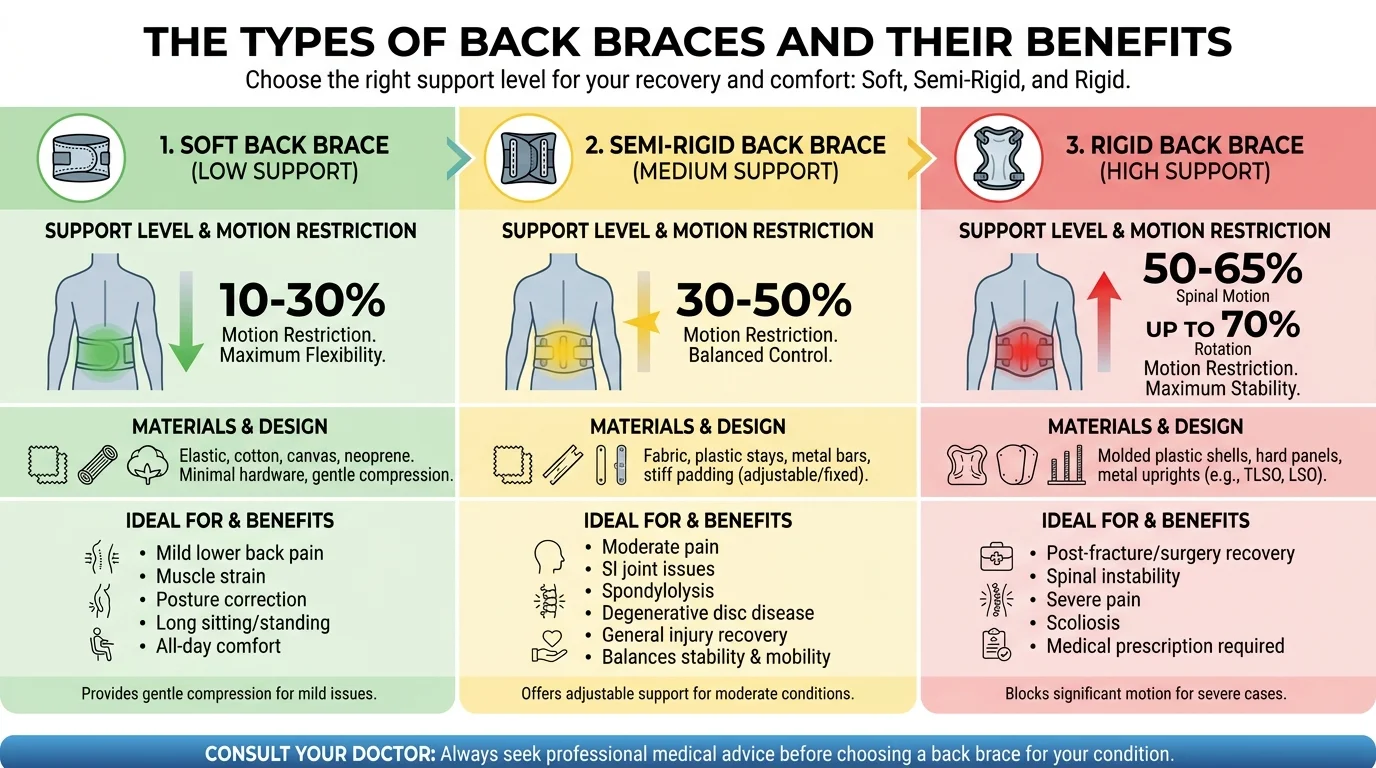
Support level is what separates every type of back brace on the market. When comparing the different types of back braces available, support level is usually the first factor buyers should consider. Manufacturers split them into three categories—soft, semi-rigid, and rigid—and each one restricts spinal motion by a different margin.
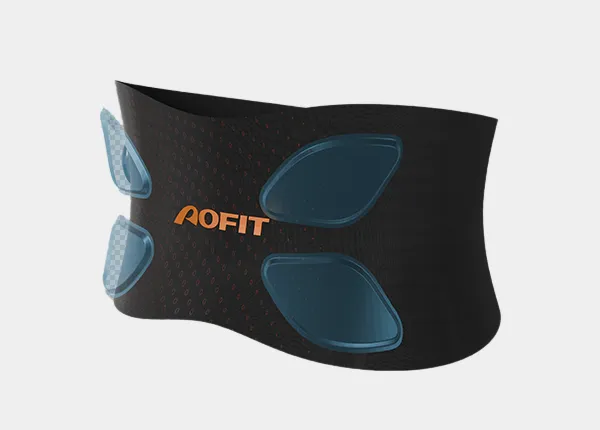
Soft back braces use elastic, cotton, canvas, or neoprene. They have minimal hardware and maximum flexibility. These braces deliver gentle compression without structural support, restricting movement by only 10–30%, according to comparative brace studies. That makes them the go-to choice for mild lower back pain, muscle strain, posture correction, and long stretches of sitting or standing. If you need a lower back brace you can wear through a full workday without feeling boxed in, this is it.
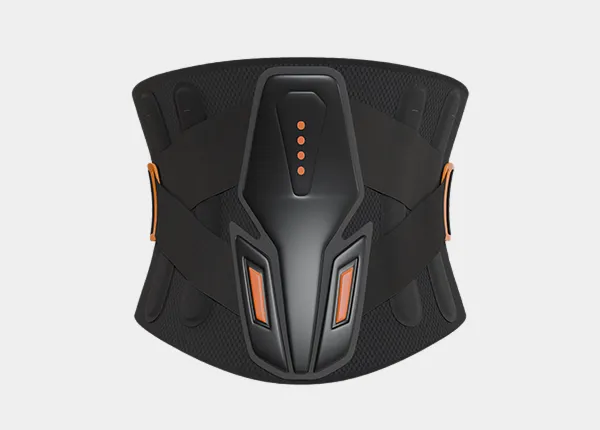
Semi-rigid braces step things up. They combine fabric with plastic stays, metal bars, or stiff padding—some removable, some fixed. Motion restriction jumps to 30–50%, landing between comfort and control. This category works for moderate pain, SI joint issues, spondylolysis, degenerative disc disease, and general injury recovery. It’s the adjustable back support middle ground: enough stability for bending and walking, without sacrificing all mobility.

Rigid back braces use molded plastic shells, hard panels, and metal uprights. They sit at the top of the support ladder. These braces block 50–65% of spinal motion, with rotation restricted by as much as 70% in some designs. TLSO and LSO braces fall into this group. Doctors prescribe rigid options after fractures, surgery, or in cases involving spinal instability, severe pain, or scoliosis correction. Comfort takes a backseat here; immobilization is the priority.
Quick reference:
|
Support Level |
Motion Restriction |
Best For |
|---|---|---|
|
Soft |
10–30% |
Mild pain, posture, daily wear |
|
Semi-rigid |
30–50% |
Moderate pain, recovery, added stability |
|
Rigid |
50–65%+ |
Fractures, post-op, severe instability |
Types of Back Braces by Body Region: Dorsolumbar vs Sacrolumbar Support
Where a brace sits on your torso matters as much as its rigidity. Two terms you’ll see in product descriptions—dorsolumbar and sacrolumbar—cover different parts of your spine, and confusing them means buying the wrong one.
Dorsolumbar braces extend upward into the thoracic (dorsal) region and blend it with lumbar support. They correct early thoracic kyphosis and promote alignment from the upper to the lower back. If your issue is posture-related—rounded shoulders, slouching, a lumbar-focused scoliosis curve—this is the category to look at. Some designs, like the Wilmington style, use full-contact, plaster-cast-style construction for precise alignment control.
Sacrolumbar braces, often labeled LSO (lumbosacral orthosis), stay lower. Coverage runs from the hip bones up to just below the chest, focusing on the lumbar spine and sacrum. Instead of correcting posture higher up, these braces compress the abdominals to take pressure off the low back. That’s why an LSO-style spinal support brace is the default pick for lumbar disc issues, low back arthritis, post-surgical stabilization, and general low back pain.
Quick selection guide:
|
Back Brace Type |
Coverage |
Primary Use |
|---|---|---|
|
Dorsolumbar braces |
Thoracic + lumbar |
Posture correction, kyphosis, upper-back alignment |
|
Sacrolumbar (LSO) braces |
Lumbar + sacral |
Low back pain, disc issues, sacroiliac stabilization |
Specialized Back Braces: Work, Postoperative & Postpartum Support
Not every back brace exists to correct posture or stabilize a fracture. Among the many types of back braces in the market, specialized designs are created for specific situations such as work, surgery recovery, and postpartum support. Some are built around a specific life event: a job that demands heavy lifting, a surgery that needs weeks of protection, or a body recovering from childbirth. In these specialized categories, timing and function dictate the design.
Work and labor back braces are built for repeated motion. Look for breathable mesh fabric, adjustable compression straps, lumbar pads, and rigid stays that stabilize the low back during lifting, bending, walking, and prolonged standing. They support active recovery. You wear them during shifts that involve frequent lifting, carrying, or torso flexion, and remove them once the task ends. Durability and mobility take priority over rigidity here.
Postoperative back braces work differently. After spine surgery, wear windows typically run 4 weeks to 6 months, though some clinical guidance suggests 6 to 12 weeks for many cases. Weaning off often starts with 1 hour off morning and evening, gradually extending to 30–60 brace-free minutes daily until full discontinuation, usually within 1 to 2 weeks once tapering begins. Never wear one directly against bare skin, remove it for sleeping and showering, and start only when your surgeon says so.
Postpartum braces rely on compression and proprioceptive feedback rather than rigid stays. Vaginal births typically allow brace use 24–48 hours after delivery; C-sections require waiting 1–2 weeks, sometimes 4–6 weeks, until incisions heal. Wear guidance sits around 2–6 hours daily for the first six weeks, and 24/7 wear isn’t recommended.
Posture Corrector Braces: How They Differ from Traditional Back Support?
Slouching and sciatica need different fixes. A posture corrector targets the upper body—shoulders, clavicle, thoracic spine—using gentle tension to pull you back into alignment and build awareness. A lumbar support brace wraps the L1–L5 region and delivers compression for lifting, bending, and twisting.
The construction also differs. Posture correctors stay lightweight and flexible, so you can move naturally through a desk shift. Rigid and soft back braces for the lower back trade that flexibility for load support—sometimes bulky by design, because immobilization is the point.
For rounded shoulders and desk posture, use a corrector for a few hours daily at most. For lower-back strain, weakness, or recovery, use an adjustable back support or spinal support brace instead.
Back Brace Benefits: How Different Types of Back Braces Support Recovery
Understanding back brace benefits helps users choose the right support level because different types of back braces provide different levels of compression, stability, and motion control. Here is what the research shows.
Pain relief comes from mechanics. A lumbar support brace limits movement in painful spinal segments, adds structural support, and generates therapeutic warmth that relaxes tight muscles.
Spinal decompression matters most for disc issues. Back supports help reduce load on spinal structures, easing pressure on discs, joints, nerves, and surrounding muscles. This is the core mechanism behind why a back brace for herniated disc helps—less pressure means fewer flare-ups.
Motion control protects healing tissue. By restricting twisting, bending, and sudden turns, a rigid back brace or semi-rigid design reduces harmful movement during lifting, standing, or daily chores. That is why back braces show up consistently as support for a back brace for sciatica and herniated disc cases—less risky motion, less nerve irritation.
Stability lets you stay active during recovery. Weak or injured back muscles make people afraid to move. A back brace acts as a temporary external stabilizer, which often means staying active instead of avoiding movement entirely—critical for recovery timelines.
Post-surgical benefits go beyond the physical. Lumbar bracing after spine surgery has been linked to reduced fear of movement, lower anxiety, and less depression during early rehab. Feeling stable enough to move matters as much as the mechanical support itself.
Additional benefits worth noting:
Swelling control: Compression fabric in some back braces reduces edema formation and supports circulation
Injury prevention: For manual labor, limiting twisting and bending lowers risk of sprains, strains, and herniated discs
Alignment: Proprioceptive feedback improves posture awareness, reducing stress on lower-back structures over time
The pattern across all this evidence is consistent—bracing works best as one part of a broader recovery plan, not a standalone fix.
Types of Back Braces Comparison Table at a Glance
| Type of Back Brace | Category | Support Level | Main Purpose | Best For |
|---|---|---|---|---|
| Soft Back Brace | Support Level | Mild | Gentle compression and daily support | Mild pain, posture support, daily wear |
| Semi-Rigid Back Brace | Support Level | Moderate | Balance mobility and stability | Sciatica, disc issues, injury recovery |
| Rigid Back Brace | Support Level | Maximum | Restrict spinal movement | Fractures, post-op, spinal instability |
| LSO (Sacrolumbar) Brace | Body Region | Moderate–Firm | Lumbar and sacral stabilization | Low back pain, herniated disc, lumbar conditions |
| Dorsolumbar Brace | Body Region | Moderate | Thoracic and lumbar alignment | Kyphosis, scoliosis, posture correction |
| Work Back Brace | Application | Mild–Moderate | Reduce strain during physical work | Lifting, construction, warehouse work |
| Postoperative Back Brace | Application | Moderate–Maximum | Protect healing spine after surgery | Surgical recovery |
| Postpartum Back Brace | Application | Mild Compression | Abdominal and lumbar support after childbirth | Postpartum recovery |
| Posture Corrector Brace | Function | Mild | Improve posture awareness | Rounded shoulders, desk posture |
Material tells you what you’re buying. Nylon and elastic mean mild support. Neoprene adds compression and moderate control. Plastic or metal stays push you into semi-rigid or rigid territory.
How to Choose the Right Back Brace for Your Condition?
Step 1: Confirm what you’re dealing with. Muscle strain, disc injury, scoliosis, post-surgical recovery, or a fracture each points toward a different brace category.
Step 2: Match severity to support level. Mild pain calls for a soft brace. Chronic or disc-related pain calls for semi-rigid, often built with removable stays or metal bars for added control. Fractures, post-op cases, and structural instability call for rigid support, and that category shouldn’t be self-prescribed. See a clinician or orthotist first.
Step 3: Match coverage to pain location. A brace built for lower-back support won’t help middle or upper-back pain. Coverage has to sit directly over the area bearing the load.
Step 4: Match wear time to your condition. Acute strains: 2–4 days, short-term only. Post-op cases: 6–12 weeks, surgeon-directed. Scoliosis: 18–23 hours daily, prescribed. Chronic pain responds better to intermittent wear, on during triggering activities, off during rest and rehab exercises.
Getting the Fit Right
Sizing runs on waist or abdominal measurement, taken at navel level for most lumbar braces. Some designs also factor in chest size or torso length. If you’re stuck between two sizes, go bigger. Adjustable straps let you dial in compression from there.
Before committing, test movement by bending forward, twisting, sitting, and walking. The brace shouldn’t slide, dig into skin, or restrict breathing when tightened. Numbness, tingling, or lasting pressure marks mean the fit or tension is off.
For all-day wear, breathable and adjustable materials hold up better than bulk. If you need stronger control, look for semi-rigid stays or removable panels. If you’re wearing it under clothing, thin, machine-washable, moisture-wicking fabric makes daily use realistic.
Conclusion
Match the support level of your back brace to your actual condition. A soft back brace works wonders for mild strain and daily posture reminders, while a rigid back brace becomes essential after spinal surgery or for managing severe herniated disc pain. Let support level, body coverage, and your specific diagnosis guide your choice.
Whether you’re dealing with sciatica flare-ups, scoliosis management, or want better posture at your desk, there’s a lower back brace designed for exactly your situation. Don’t let guesswork delay your recovery or worsen your discomfort.
Browse AOFIT’s full range of clinically informed back support solutions, or reach out to our team for personalized guidance.