
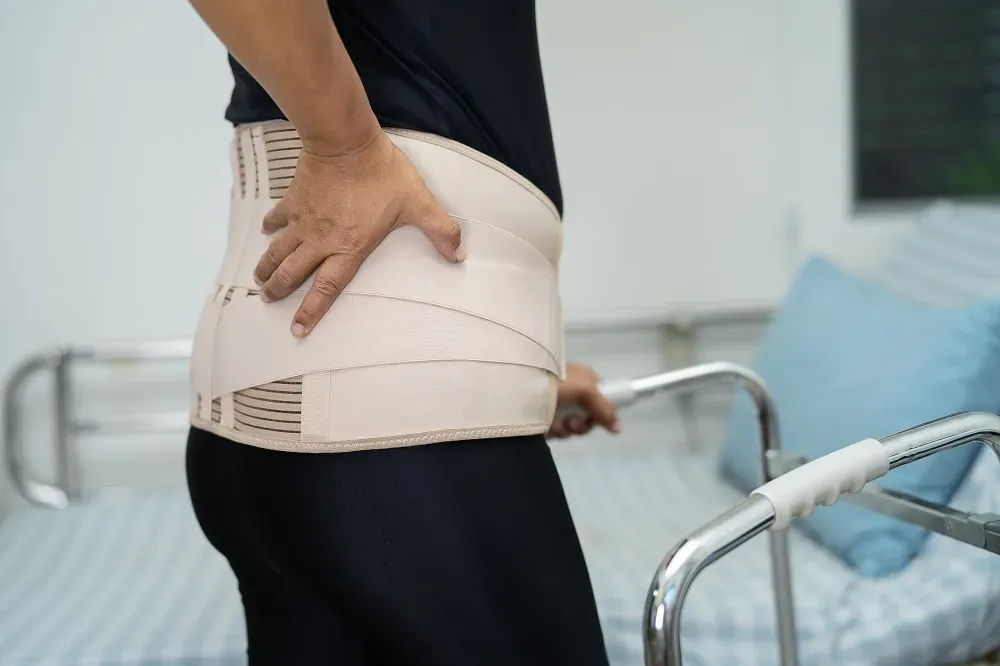
Excess body weight often takes a toll on the back, causing long-term pain, stiffness, and daily discomfort. People with morbid obesity face extra strain on their spine and joints, making them more prone to injuries like sciatica, osteoarthritis, and slipped discs. Using a plus size back brace made specifically for big bodies can be highly effective in managing these challenges and improving comfort.
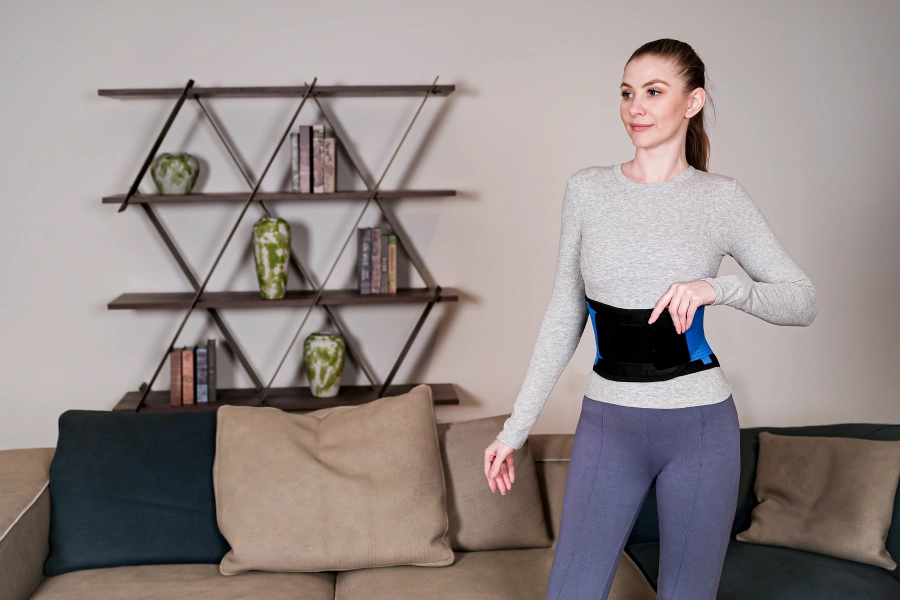
The Real Problem With Standard-Size Lower Back Braces
Most orthopedic lower back braces are built around standard body proportions—a reasonable approach for average medium or large sizes, but one that fails a significant number of users. Here’s what frequently goes wrong:
- Limited adjustability – Velcro fasteners don’t allow enough overlap, creating gaps that weaken compression and reduce stability.
- Inadequate width – The brace falls short of fully covering the area it’s meant to protect and reinforce.
- Short-strapped tension – Side-pull bands and adjustable sections max out before achieving a snug, effective fit.
- Uncomfortable pinch points – When a brace doesn’t match natural body curves, it wrinkles, presses painfully, and creates irritation.
- Constant slippage – Ill-fitting braces shift out of place during movement, demanding endless readjustments.
The end result: users either stick with a brace that fails to deliver real therapeutic value, or they abandon bracing altogether—and in doing so, lose out on genuine pain relief and effective recovery support.
What Should You Consider When Choosing a Plus Size Back Brace?
A well-fitted support belt works by wrapping securely around the midsection to lift and stabilize the abdomen. This action eases downward and forward pressure on the lower spine, hips, and adjacent muscles. At the same time, the compression offers tactile feedback that encourages better posture and discourages movements that can overstrain the lumbar area. With that in mind, here are the key factors to weigh when selecting a plus size back brace.
Fit and Sizing
For those seeking reliable, professional-level support at home, the first step is to examine the product’s sizing guide carefully. A transparent and detailed measurement chart is essential.
Genuinely Extended Size Ranges
Not all “extended sizes” are created equal. For one brand, an XL might only add a couple of inches, while another develops its products from the outset to accommodate larger frames, offering truly broad measurement options.
Rather than relying on generic small, medium, or large labels, look for specific waist and hip measurements. A brace that fits waists from 40 to 65 inches provides substantially more flexibility than one that stops at 48 inches.
Broad Elastic Panels
The most effective plus size braces feature wide elastic panels instead of merely longer Velcro straps. These panels distribute compression evenly over a greater surface area, reducing the risk of bunching and minimizing uncomfortable pressure points that narrower straps often create.
Breathable, Moisture-Managing Fabrics
This aspect is especially critical for larger bodies. More skin contact with the brace naturally leads to more heat buildup. Opt for designs that incorporate mesh sections, moisture-wicking textiles, and airflow-friendly materials. A cotton-blend inner layer can also help reduce friction and prevent skin irritation.
Durable, Reinforced Build
A brace meant for a larger frame must endure greater stress, especially at the fastening points and edges. Strong double stitching, durable Velcro patches, and high-quality elastic that retains its tautness through repeated washes are what separate a long-lasting product from one that gives out after a few weeks.
Anatomically Shaped Design
Bodies are not uniform cylinders. A thoughtfully designed brace respects the natural curves of a larger torso—the waist’s dip, the abdomen’s contour, and the hips’ angle. Models with contoured, shaped panels conform more comfortably to the body and are far less likely to shift or ride up during use.
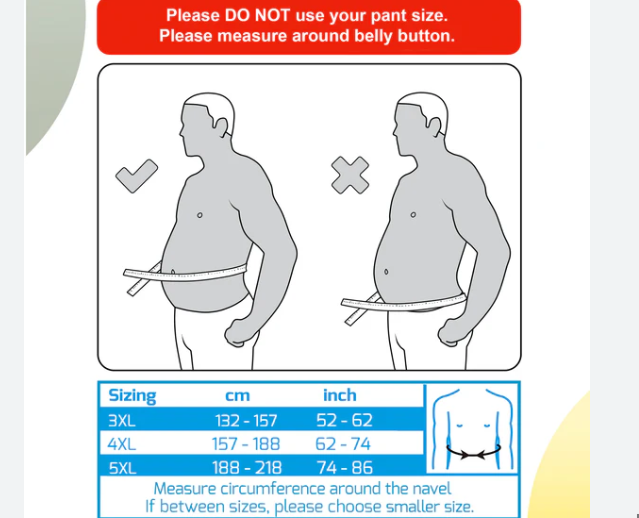
How to size lower back braces for big guys
Get the Right Starting Point
Stand naturally and relax your posture. Avoid holding your breath or pulling in your stomach, and skip the heavy layers—wear a lightweight top or measure directly on bare skin for the best reading.
For a lumbar support, locate the exact spot the lower back manufacturer specifies for waist measurement. Some designs reference the natural waistline, while others go by the hips or lower abdomen. If the guide points to the navel, use that mark. If it says the widest hip area, go with that. Even a half-inch off can affect how well the brace supports you.
Double-Check Your Numbers
Take your measurement twice. If you get two different results, do it a third time and calculate the average. It may seem like a minor step, but it can prevent the frustration of receiving a brace that feels off the moment you try it on.
Consider Your Unique Shape
If you carry extra weight around your middle, read the size chart notes carefully. Some braces are designed for a straighter torso, while others offer more give in the front. Two people with identical waist measurements may need completely different fits based on torso length, hip contour, and where their discomfort is located.
Pick the Right Time of Day
Your waist size can shift due to meals, bloating, or daily activity. Take a morning reading and an evening reading, then choose the larger measurement to ensure a comfortable fit throughout the day.
Plan for Post-Surgical Swelling
If you’re purchasing a brace for recovery after surgery, add 2 to 3 inches to your current size. Swelling is most pronounced during the first week, and a brace that fits snugly beforehand may become unbearably tight when you need it most.
When in Between Sizes, Size Up
You can always fasten a brace more snugly, but you can’t create extra room in one that’s too small. Choosing a larger size gives you flexibility and ensures enough Velcro overlap for a secure, reliable closure.
Common Fitting Errors When Selecting a Back Brace
One of the most unreliable methods for choosing a back brace is relying on your pants size. Factors like vanity sizing, stretchy materials, and varying waist rises can throw off the numbers considerably. For instance, someone who typically wears a size 34 in one brand may actually measure 36 or 38 inches at the exact point where the brace needs to fit.
Similarly, estimating your size based solely on height and weight is not much better. While these figures can offer a rough guideline, they are no substitute for taking an actual tape measure to your body.
Another frequent mistake is opting for an overly snug fit in hopes of getting more relief. Tighter does not equal better support. In reality, an excessively tight brace can bunch up when you sit down, cause skin irritation, and make you less inclined to wear it regularly. The ideal brace is one that feels comfortable enough to be worn consistently—whether you’re on the job, out for a walk, doing household tasks, or cooling down after a workout.
What Proper Fit Feels Like
The right back brace should offer solid support and a sense of security—without feeling restrictive or harsh. It ought to give you stability, yet still allow your body to move naturally.
You can tell you’ve found the right fit if:
- The pressure feels even and consistent across the entire area—no pinching in some places and slack in others.
- It stays securely in place as you go about your day, with no need for frequent readjustment.
- Your breathing remains deep, easy, and unrestricted.
- The edges lie flat against your body and don’t curl up or fold.
- The Velcro straps overlap by at least 3 to 4 inches when fastened.
- You can keep it on for extended periods without any chafing, redness, or soreness.
- You notice a clear reduction in pain or a measurable boost in support while wearing it.
If your current brace doesn’t meet these criteria, it’s simply the wrong match for you—and there’s almost certainly a more suitable option out there.
Conclusion
Let’s be clear about one thing: needing a larger brace is not a shortcoming, nor does it say anything about who you are—other than the simple fact that your body has its own unique shape and deserves proper support.
Whether you’re managing back pain, recovering from a procedure, or striving for better posture, you deserve a brace that actually fits and does its job. Your size should never stand in the way of finding relief or making progress.
For big guys, when choosing a plus size back brace, key features to look for include:
- A broad lumbar panel (roughly 10–12 inches wide) for optimal surface coverage
- Firm posterior stays running the full length of the back panel
- Dual-pull side straps that let you fine-tune compression levels
- A higher-cut design that stays in place and resists rolling down over the waistline
What to steer clear of:
- Products labeled “one size fits all”—they rarely live up to the claim
- Narrow designs that offer only a thin band of compression rather than comprehensive support
- Rigid, non-stretchy fabrics that fail to adapt to the natural contours of the body
At AOFIT BRACE, we bring extensive experience in crafting back braces that are truly designed for plus-size needs. What’s more, we provide detailed, easy-to-follow sizing information right on your custom product page, so you can order with confidence. Contact AOFIT now.