
Thumb pain has a way of making itself known at the worst moments: mid-text, mid-workout, mid-jar-of-pasta-sauce.
So you search for a thumb stabilizer. What you find is a wall of options: rigid splints, soft sleeves, adjustable braces, spica wraps. Each one claims to be the right choice. The problem? The wrong support can slow your recovery.
Maybe you’re dealing with thumb arthritis. Maybe it’s a sprained ligament. Or maybe it’s that stubborn ache at the base of your thumb that just won’t go away. Either way, finding the right thumb joint support takes more than guessing. You need to understand your condition, your daily routine, and what you need from a thumb brace.
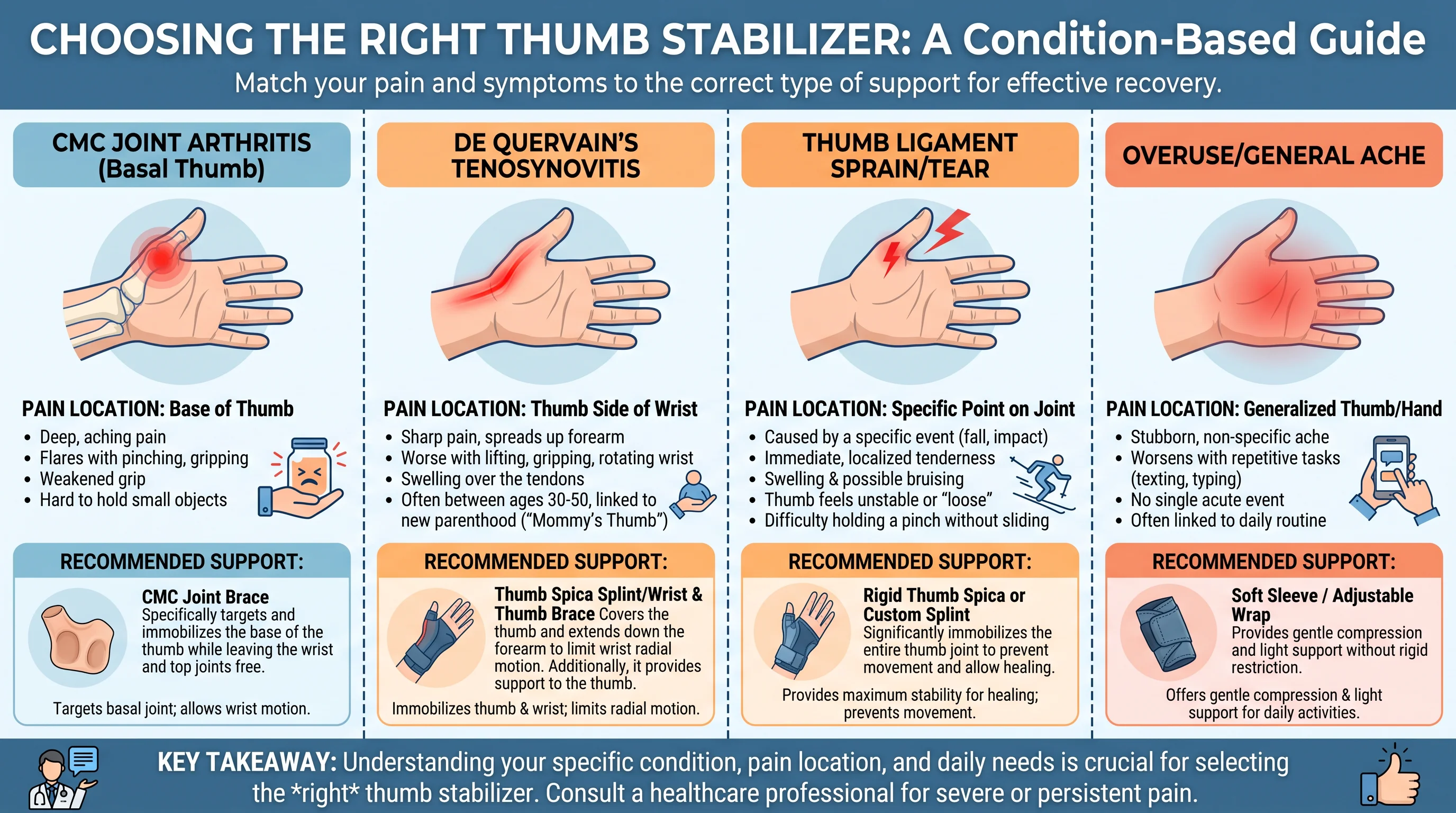
This guide cuts through the confusion and helps you find the one that fits.
What’s Causing Your Thumb Pain?
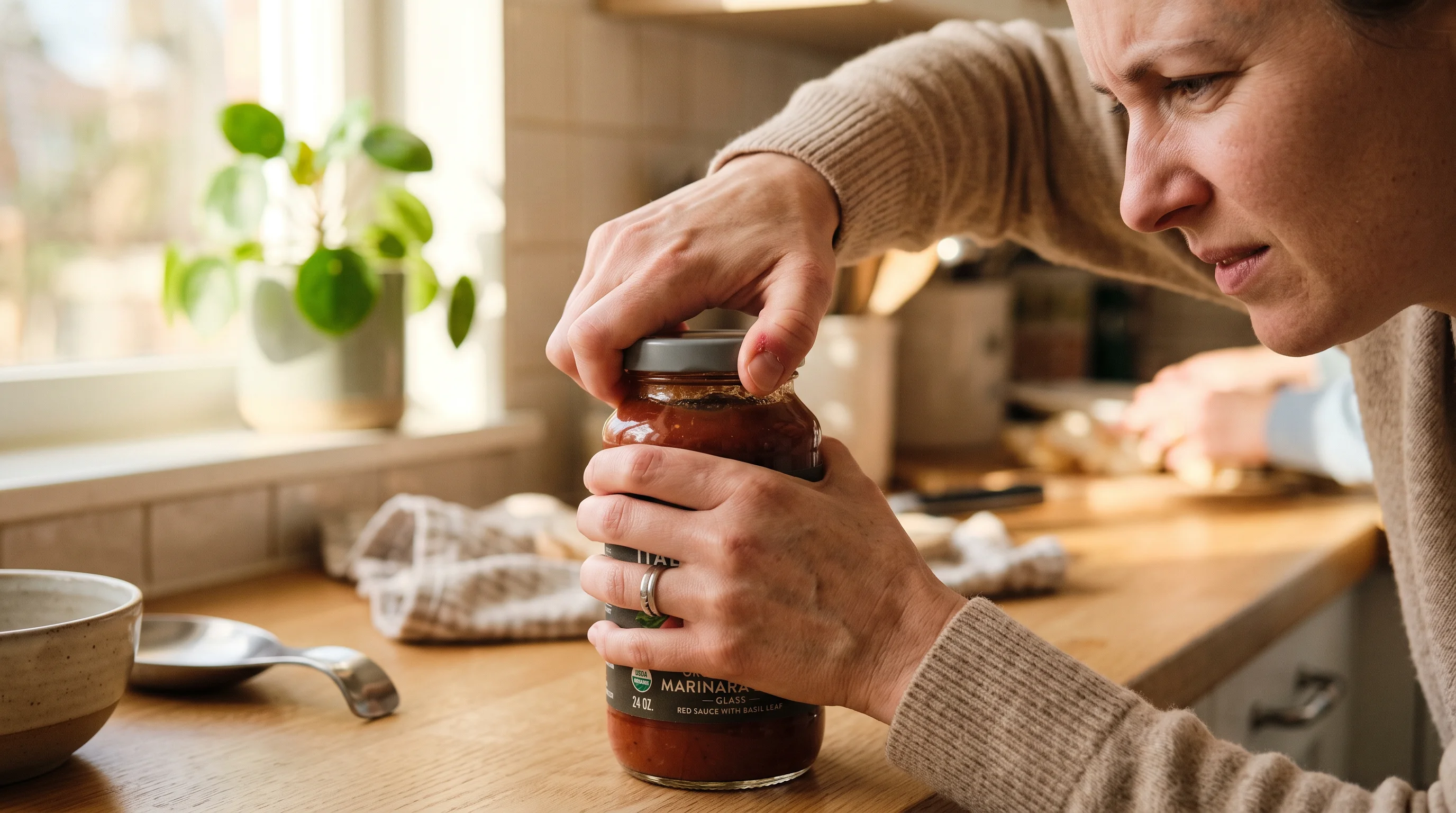
Thumb pain doesn’t warn you. It just shows up and stays.
To choose the right thumb stabilizer, you first need to know what you’re dealing with. Four conditions cover most cases of thumb pain. Each one feels different, sits in a different spot, and needs a different type of thumb support.
The Four Main Culprits
CMC joint arthritis (basal thumb arthritis)
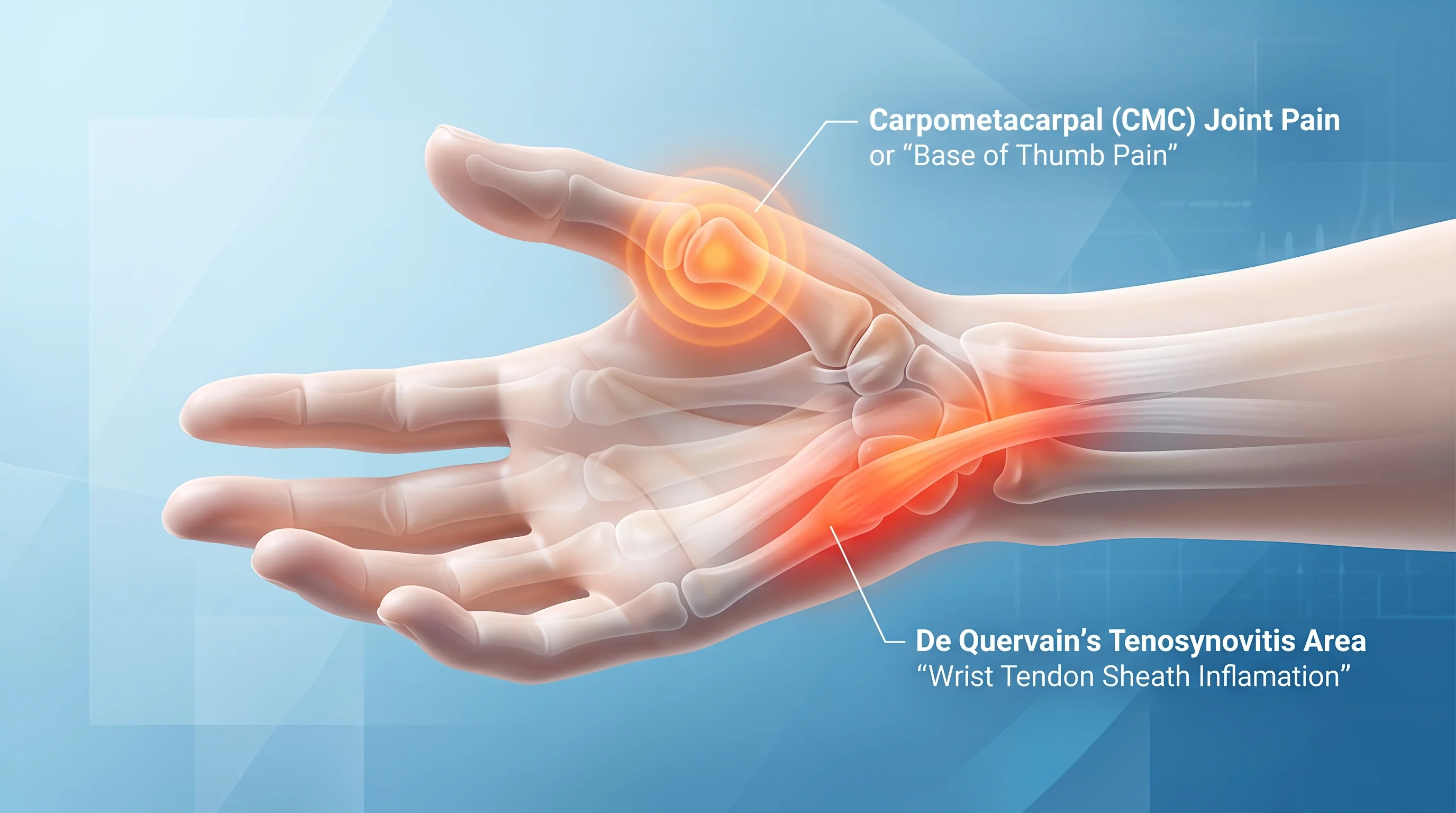
The pain sits right at the base of your thumb — that small bony joint where your thumb meets your wrist. That’s a strong sign this is the cause. Hand surgeons cite CMC arthritis as the leading cause of thumb pain. The signs are clear: a deep, aching pain that flares when you pinch, turn a key, or open a jar. Your grip feels weaker. Small objects feel hard to hold. Searching for a CMC joint brace or basal joint brace? This is most likely what you need to treat.
This one sits a bit higher along the thumb side of your wrist. Two tendons (APL and EPB) run through a narrow sheath there. That sheath gets inflamed. The result: a sharp pain that can spread, and gets worse when you lift, grip, or rotate your wrist. Swelling often appears directly over the tendon. It’s most common between ages 30 and 50. There’s also a strong link to new parenthood, so much so that clinicians call it “mommy’s thumb.” A thumb spica splint or wrist and thumb brace that limits wrist radial motion tends to work best here.
Thumb ligament sprain or tear
This pain has a story behind it. A ski fall. A ball hit at the wrong angle. One sharp, specific moment. Unlike arthritis or tendinitis, a ligament sprain hits fast, localized tenderness, swelling, possible bruising, and that uneasy feeling that the thumb seems loose. You can’t hold a pinch without the thumb sliding sideways. That’s a red flag. It could mean a serious tear that needs a doctor, not just a thumb ligament support brace.
Repetitive overuse fatigue
This is the mildest of the four — and the easiest to brush off early on. Typing, texting, gaming, scrolling, tool work: all of these put repeated strain on your thumb. Over time, a dull ache builds up after activity and eases with rest. No catching. No instability. No major swelling. Most people see improvement within a few weeks with rest, a thumb compression sleeve, and cutting back on the repetitive motion.
Where Does It Hurt? (A Quick Self-Check)
Location tells you a lot. Press the area and notice:
- Deepest pain right at the thumb base, triggered by pinching → points toward CMC arthritis
- Pain along the thumb-side of your wrist, worse with wrist rotation and lifting → points toward De Quervain’s tenosynovitis
- Pain started after a specific incident, with instability or bruising → consider a ligament sprain or tear
- Dull ache after repetitive use, gets better with rest → points toward overuse fatigue
When a Thumb Brace Isn’t Enough
A good thumb joint support handles a lot. But some situations need a doctor first:
- Pain hasn’t improved after 2–3 weeks of rest, ice, and bracing
- Symptoms have lasted beyond 6 weeks total
- You can’t do basic daily tasks
- There’s visible deformity, clear instability, or the pain started with a sudden injury
Types of Thumb Stabilizers Explained: Which One Fits Your Needs?
Soft Thumb Stabilizer
Think of this as your everyday option. It’s thin, lightweight, and made from stretchy materials like polyurethane film. It sits close to the skin without adding bulk. You get light compression and gentle stabilization that ease discomfort without limiting your movement.
Best for: Typing, texting, gaming, mouse work, and mild aches that flare up during repetitive tasks.
Thumb Spica Brace / Splint
This is the heavy-duty option. A thumb spica splint or wrist and thumb brace runs support from the thumb down to the wrist. Internal aluminum stays or thermoplastic liners hold everything firm. Some designs let you shape the aluminum bar to match your thumb position. That kind of precision matters when full immobilization is the goal.
Best for: De Quervain’s tenosynovitis, ligament sprains, stable fractures, and post-surgical recovery. Movement restriction matters more than comfort here. This is the right call for serious conditions.
Adjustable Thumb Brace
Three compression straps. Velcro closures. A fit that adapts. Swelling isn’t constant; it shifts from morning to evening, from a rough day to an easier one. An adjustable thumb brace tightens or loosens to match where you are in the day.
Best for: Anyone whose symptoms change over time, or who shares a brace across different hand sizes. It’s also a solid transition option as you move from early recovery into normal life.
Sports / Active Thumb Brace
Protection without restriction. Sports-focused thumb ligament support braces cut down on risky motion, sideways stress, hyperextension, while keeping enough hand function for tennis, basketball, or carrying loads. They run lighter and lower-profile than clinical designs.
Best for: Athletes and active users who need stability during movement, not full immobilization.
The Quick Match
| Your situation | Your Thumb brace |
|---|---|
| Typing / texting / gaming | Soft thumb stabilizer |
| De Quervain’s / tendon irritation | Thumb spica brace |
| Post-surgery or fracture | Thumb spica splint (rigid) |
| Sports or active use | Sports / active thumb brace |
| Swelling that changes day to day | Adjustable thumb brace |
One structural detail worth knowing: soft supports use elastic fabric with a compression-first build. Spica splints have a hard liner or metal stay inside. Adjustable models rely on a multi-strap, shape-fitting closure system. Feel the inside of a thumb brace before you buy. The material tells you what it can and can’t do.
6 Key Features That Separate a Good Thumb Brace From a Useless One
1. Support level matched to injury severity
This is the one most people get wrong. A soft thumb compression sleeve is fine for mild overuse aches. But the first 14 days after a sprain or ligament injury are different. You need rigid or semi-rigid immobilization during that phase. Light support isn’t gentle. It’s just not enough.
2. True spica design for real immobilization
A real thumb spica splint wraps from the wrist up around the thumb. It stabilizes both in one structure. Generic elastic wraps look similar and reduce swelling, but they give almost no ligament support. For UCL injuries, skier’s thumb, or post-surgical recovery, that gap matters a lot.
3. At least two independent adjustment straps
Swelling isn’t static. It’s higher in the morning, lower by afternoon. A good adjustable thumb brace lets you respond to that. Tighten it for more hold. Loosen it when you don’t need as much. Look for at least one strap dedicated to the thumb and one for the hand or wrist. A third stabilizing strap is even better.
4. Breathable, skin-friendly materials
For multi-hour or multi-week use and for thumb arthritis brace wearers who may need up to six weeks of near-constant wear, breathable fabric and a soft inner lining aren’t extras. They’re what keep you wearing the brace long enough for it to work.
5. One-handed application
This sounds minor until it’s not. A dominant hand injury changes everything. So does being older and living alone. A brace with a tangled closure system becomes a real problem in those situations. Velcro strap systems win here, every time.
6. Right coverage for where your pain lives
- CMC or basal joint pain → choose a wrist and thumb brace that anchors at the wrist
- Thumb-only injury with wrist intact → a hand-based thumb immobilizer keeps your wrist free
- UCL tear or severe sprain → prioritize wrist anchoring and stronger immobilization
Choosing the Right Thumb Brace by Who You Are
The Athlete
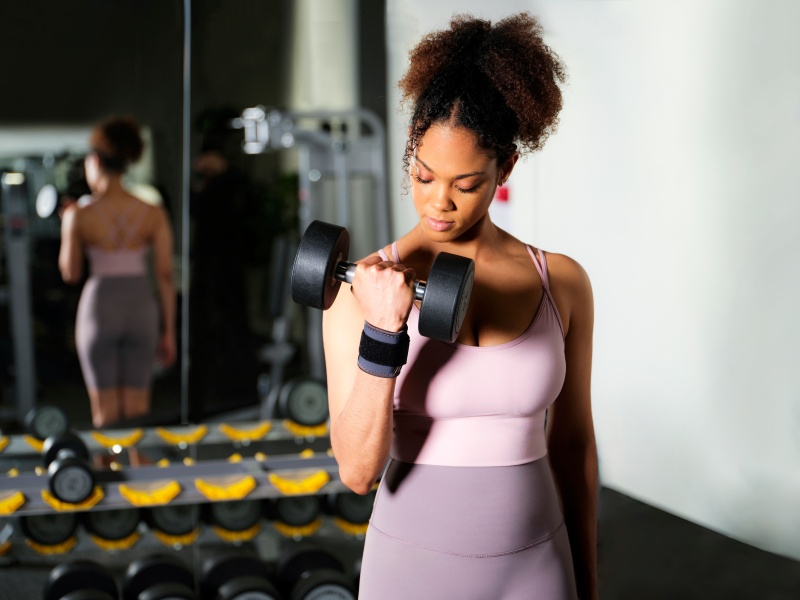
Your priority is a specific balance: enough stability to protect the joint, enough freedom to keep moving.
For a mild sprain, a soft or semi-rigid thumb ligament support brace works well. Wear it during training, not just at rest, to cut re-injury risk. For moderate sprains, step up to a brace with adjustable straps and higher support levels. Expect 2–4 weeks of use. A UCL tear or “skier’s thumb” needs a rigid or moldable thumb spica splint with wrist anchoring. Plan on wearing it 4–6 weeks.
One practical rule: choose Velcro closure systems. You can fine-tune compression between lifting, racket sports, and ball play; no need to remove the brace each time.
The Older Adult or Arthritis Patient
Ease of use is non-negotiable here. A CMC joint brace or basal joint brace that takes three hands to fasten defeats the purpose.
Look for wide Velcro panels and clearly marked strap sequences. A pull-on or single-strap design reduces fine motor demands. For full-day wear, which thumb arthritis brace users often need for weeks, breathable fabric and a soft inner lining aren’t luxuries. They’re what keeps you wearing it long enough to get real benefit.
The Office Worker
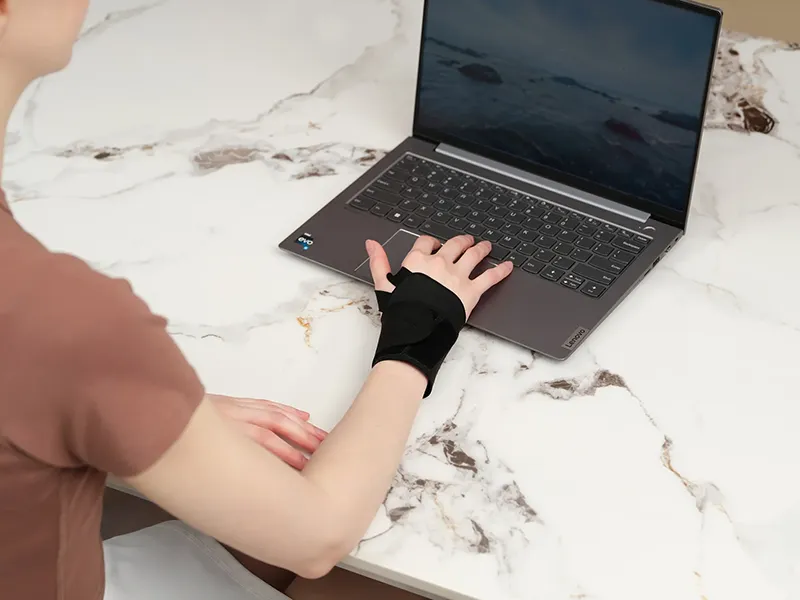
Your wrist is fine. Your thumb isn’t. You need a low-profile thumb compression sleeve or hand-based thumb immobilizer. It should stabilize the MCP or CMC joint without blocking your palm from resting on a keyboard or mouse.
The IP joint: your top thumb knuckle should stay free for typing and touchscreen use. Skip bulky multi-layer designs. A thin support bar with a minimal strap system does more for a desk worker than a full clinical splint ever will.
The Post-Surgery or Injury Recovery Patient
This profile needs the most support and the most patience.
A partial ligament tear needs several weeks of rigid immobilization. Post-surgical recovery often runs 6–8 weeks, sometimes longer. A thumb spica splint with a moldable aluminum or thermoplastic insert lets a clinician set the exact angle your thumb needs to heal. As recovery moves forward, adjustable designs allow a gradual shift from full immobilization toward functional movement without dropping all support too soon.
How to Get the Right Fit: Sizing Guide Before You Buy
Sizing a thumb brace sounds simple. It isn’t. Too tight, and you’re dealing with numbness and poor circulation. Too loose, and the brace slides around doing nothing while your joint keeps moving the wrong way.
Two measurements do most of the work here.
Start with your palm circumference. Lay your hand flat, fingers relaxed and together. Wrap a soft tape measure around the widest part of your palm — just below the knuckles, thumb not included. That number puts you in a size band:
Next, measure your thumb base. Wrap the tape around the thickest part of your thumb — the spot where the thumb brace sits, close to the basal joint. Most adults land between 50–65 mm. Not sure? Measure twice and take the average.
Fixed Size vs. Adjustable: Which Should You Choose?
- Your hand size is steady, no real swelling, no daily changes? A fixed-size thumb stabilizer gives you cleaner support and more precise positioning. Standard sizing tables work well for this.
- Dealing with an acute flare-up, thumb arthritis, or post-surgery recovery? Swelling shifts throughout the day. An adjustable thumb brace with Velcro closures lets you tighten for activity and loosen for rest.
Thumb Stabilizer vs Thumb Spica: What is the difference?
Thumb stabilizer and thumb spica are not interchangeable terms. They look similar in photos. They both go on your thumb. But they do very different things, and the wrong choice can delay your recovery by weeks.
The difference comes down to one question: does your wrist need to be controlled, or not?
- A thumb stabilizer focuses on the thumb itself. Your wrist stays free. You can type, hold a coffee cup, and get through a workday. It gives light-to-moderate support enough for mild arthritis, CMC joint pain in the early stages, or repetitive strain.
- A thumb spica splint does more. It locks both the thumb and the wrist into position. That’s the point. For UCL tears, scaphoid fractures, severe De Quervain’s, or post-surgical recovery, the goal isn’t comfort; it’s full immobilization. Damaged tissue needs complete stillness to heal.
Three Questions to Find Your Answer
- Is there visible instability, bruising, or did the pain start with a specific injury? → Lean toward a thumb spica brace
- Did a doctor use the word “immobilization”? → You need a spica, not a sleeve
- Is your wrist pain-free and your symptoms mild or chronic? → A thumb stabilizer or thumb compression sleeve will do the job
All three answers point to “no”? A well-fitted thumb ligament support brace or soft stabilizer will serve you well. Even one “yes” means you need a proper spica splint thumb design with wrist anchoring as your starting point.
Conclusion
Now that you know the key factors—fit, material, support level, and intended use—the best way to find your perfect thumb stabilizer is to see what’s actually available. Every hand is different, and the right choice often comes down to trying or comparing real options. Head over to a premium custom brace manufacturer to browse our full range of professionally curated braces, read detailed specs, and make your decision with confidence. Your thumb will thank you.