
Choosing the right sports compression sleeves is not simply about finding a product that fits tightly around your arms or legs. Different sports involve different movement patterns, muscle demands, and levels of physical contact. A runner may prioritize lightweight calf support, while a basketball player may need flexible knee or arm sleeves that stay in place during repeated jumps. Cyclists, weightlifters, and volleyball players also have different requirements.
The right compression sleeve should balance support, flexibility, breathability, and comfort according to the specific activity. Understanding these differences can help athletes make better purchasing decisions and help sports brands, retailers, and distributors select products that meet the needs of their target markets.
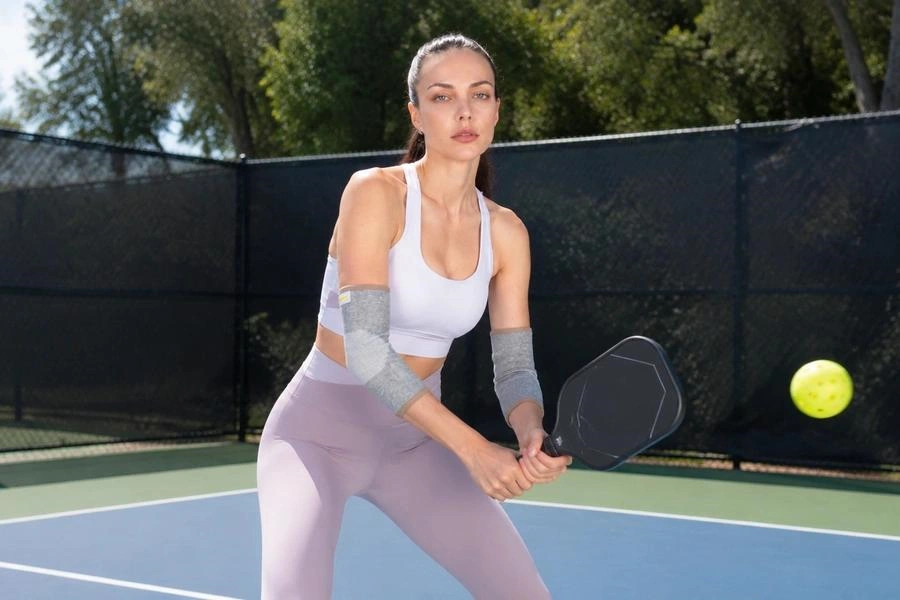
Understand the Different Types of Sports Compression Sleeves
Before choosing sports compression sleeves, it is important to understand that sleeves are available in different designs according to the body area they cover and the level of support they provide.
Some products focus on lightweight compression, while others incorporate additional padding, adjustable straps, or reinforced materials for specific sports applications.
Arm Compression Sleeves
Arm compression sleeves cover the upper or lower arm, depending on their design. They are commonly used in basketball, running, cycling, and general fitness training.
Their main design priorities include a close fit, moisture management, flexibility, and sufficient stretch to accommodate repeated arm movements. Some designs also incorporate UV protection or additional fabric coverage for outdoor activities.
Leg and Calf Compression Sleeves
Leg compression sleeves are designed to cover specific areas of the lower body, particularly the calves and knees. Calf sleeves are popular among runners and endurance athletes, while knee compression sleeves are frequently used in basketball, volleyball, weightlifting, and other sports involving repeated bending or jumping.
Depending on the intended application, these products may feature graduated compression, elastic knitted construction, reinforced knee areas, or different fabric thicknesses.
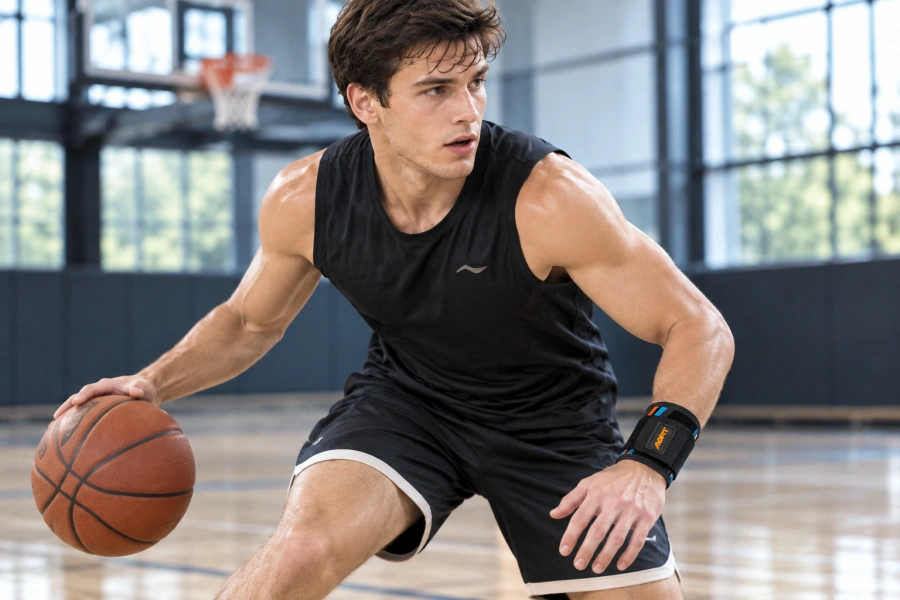
Padded Compression Sleeves
Padded compression sleeves combine a close-fitting sleeve structure with protective cushioning. They are particularly relevant to sports involving frequent floor contact, falls, or impact, such as volleyball, basketball, and certain contact sports.
The padding material, coverage area, thickness, and flexibility should be selected according to the sport. A product designed for frequent knee contact may require a different cushioning structure from one intended for general muscle compression.
How to Choose Sports Compression Sleeves for Different Sports
The most effective way to select sports compression sleeves is to start with the physical demands of each activity. Consider which muscles and joints are used most frequently, how much movement is required, and whether the athlete needs compression, cushioning, or both.
Running: Lightweight and Breathable Compression Sleeves
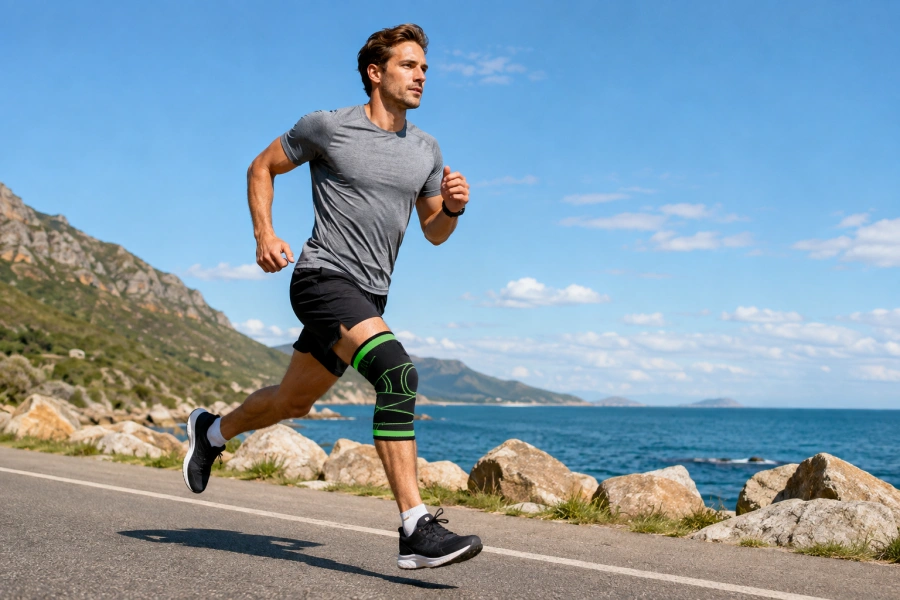
Running involves repetitive movements over extended periods, placing continuous demands on the calves, knees, and lower-leg muscles. For runners, lightweight calf compression sleeves are a common choice.
When selecting compression sleeves for running, consider the following features:
- Lightweight fabric: Nylon, polyester, and elastane blends can provide a balance of stretch, durability, and reduced garment weight.
- Moisture management: Sweat-wicking materials help maintain comfort during long-distance running and intensive training.
- Secure fit: The sleeve should remain in position without repeatedly rolling down or creating excessive pressure.
- Breathable construction: Mesh zones or breathable knitted structures can improve ventilation in warm conditions.
- Comfortable edges: Well-designed upper and lower openings help reduce unwanted slipping or uncomfortable tightness.
Runners who train outdoors may also consider arm compression sleeves with UV-protective fabric. For long-distance and endurance activities, comfort over extended wear is often more important than simply choosing the tightest product.
Basketball: Flexible Compression Sleeves for Dynamic Movements
Basketball involves frequent jumping, landing, sprinting, sudden direction changes, and physical contact. These movements place considerable demands on the knees, elbows, and lower legs.
Basketball compression sleeves should provide a secure fit while allowing athletes to move freely.
Important features include:
- Four-way stretch: Flexible materials help accommodate repeated bending, jumping, and arm movements.
- Knee compression support: Knee sleeves should fit closely around the joint without restricting normal movement.
- Impact cushioning: Padded knee sleeves can provide an additional layer of cushioning for players who frequently dive or make contact with the court.
- Abrasion resistance: Durable fabrics are useful for sports involving repeated friction against playing surfaces.
- Sweat management: Breathable and moisture-wicking construction helps improve comfort during intense games.
For basketball brands and retailers, it is also useful to offer different product options, including lightweight knee sleeves, padded basketball knee pads, and arm compression sleeves. This allows players to choose products according to their playing positions and personal preferences.
Volleyball: Compression and Cushioning for Knee Protection
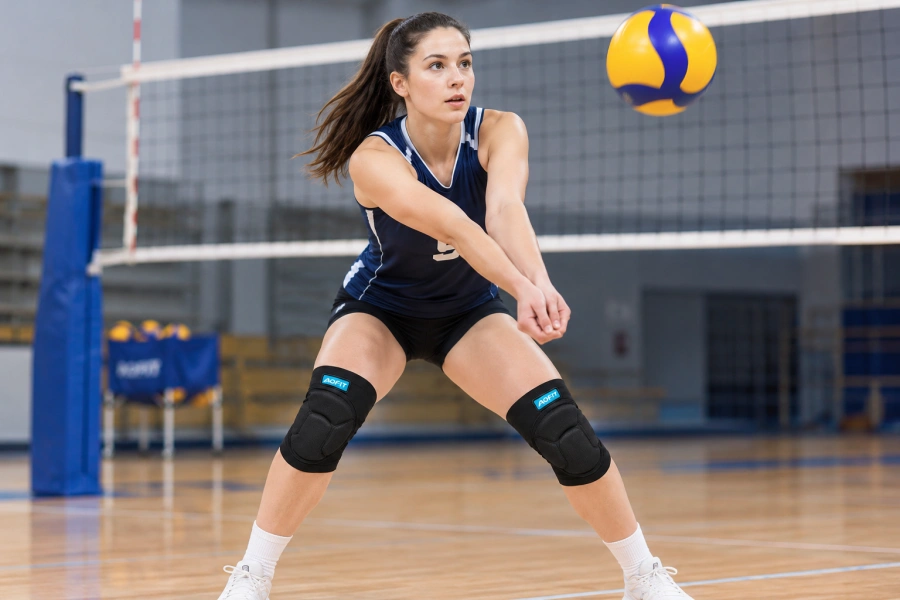
Volleyball players frequently dive, kneel, jump, and land on hard indoor courts. As a result, knee protection and freedom of movement are two important considerations when choosing volleyball compression sleeves.
Unlike basic compression sleeves, volleyball knee sleeves often benefit from additional cushioning.
Consider these product features:
- Integrated knee padding: EVA foam or other suitable cushioning materials can help absorb some impact from contact with the floor.
- Flexible construction: The knee area should allow deep bending and extension without excessive resistance.
- Secure positioning: Elastic knitted fabric and well-designed openings help keep the product in place during rapid movements.
- Breathable fabric: Ventilation is important because volleyball involves repeated high-intensity actions.
- Durable construction: Reinforced stitching and abrasion-resistant materials can help extend product service life.
For players who prefer less coverage, lightweight knee compression sleeves may be suitable. Those who frequently dive or kneel may prefer full-coverage padded volleyball knee pads.
Cycling: Comfortable Compression for Long-Distance Riding
Cycling requires sustained lower-body muscle activity, particularly in the calves and thighs. Unlike basketball or volleyball, cycling generally involves less direct impact but requires consistent comfort during long periods in a relatively fixed riding position.
When selecting cycling compression sleeves, focus on:
- Stretch and flexibility: The fabric should accommodate repeated leg movement without restricting pedaling.
- Moisture-wicking performance: Effective sweat management is important during long rides and warm-weather cycling.
- Breathability: Lightweight, ventilated fabric can help reduce excessive heat buildup.
- Secure fit: The sleeve should not slide down or bunch up while cycling.
- Low-profile construction: Smooth seams and comfortable edges help minimize friction during extended use.
Calf compression sleeves are a practical option for cyclists who want localized lower-leg coverage. Arm sleeves are also useful for outdoor cycling, where additional sun protection and temperature management may be desirable.
Weightlifting and Gym Training: Stable Fit and Flexible Support
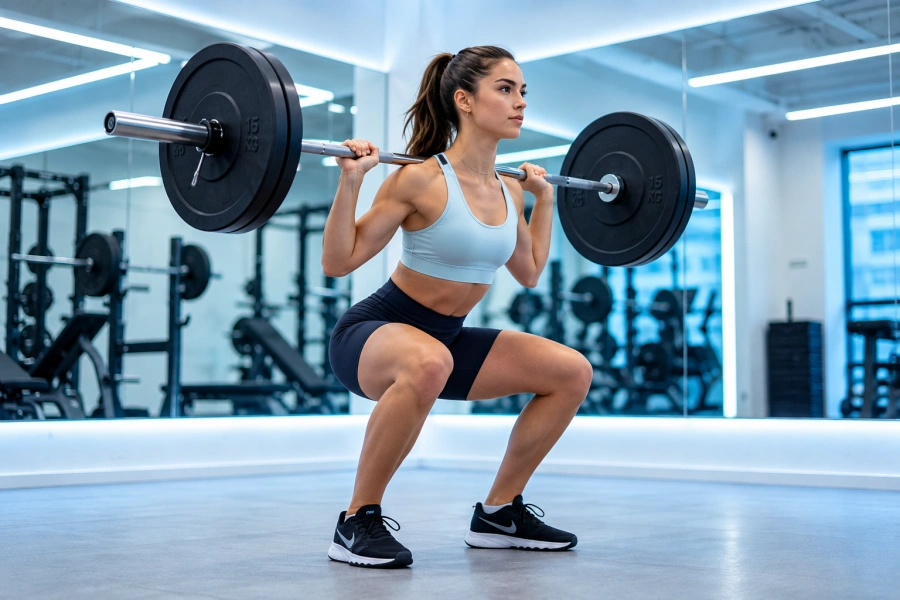
Weightlifting and gym training involve a wide range of movements, including squats, lunges, presses, deadlifts, and resistance exercises. Depending on the workout, athletes may need knee, elbow, or arm compression sleeves.
For these activities, product selection should focus on the balance between compression and unrestricted movement.
Key considerations include:
- Elastic recovery: The material should return to its original shape after repeated stretching.
- Joint-area flexibility: Sleeves should accommodate bending and extension during strength exercises.
- Durable fabric: Resistance to friction and repeated washing is important for frequent gym use.
- Comfortable compression: The product should feel supportive without creating excessive pressure.
- Stable construction: Reinforced seams and suitable elastic openings can improve fit retention.
For weightlifting, knee sleeves with thicker knitted structures may be preferred by users seeking a firmer, more supportive feel. Elbow compression sleeves are another option for athletes performing repeated upper-body exercises.
However, compression sleeves should not be confused with specialized weightlifting knee wraps or rigid joint braces, which serve different purposes.
General Fitness and Cross-Training: Versatile Everyday Support
Cross-training combines different exercise styles, such as running, jumping, resistance training, and functional movements. Athletes may switch between activities several times during one session.
For general fitness, versatile sports compression sleeves should offer:
- Moderate stretch for different movement patterns.
- Breathable fabric suitable for indoor and outdoor training.
- Lightweight construction for extended wear.
- Moisture management during high-intensity workouts.
- A secure fit that does not interfere with exercise equipment or clothing.
A versatile product may be more practical for users who participate in several types of training rather than specializing in one sport.
Key Factors to Consider When Choosing Sports Compression Sleeves
After identifying the intended sport, the next step is to evaluate the product itself. Even when two compression sleeves are designed for the same activity, differences in fabric, fit, construction, and compression level can significantly affect the wearing experience.
Material: Balance Stretch, Breathability, and Durability
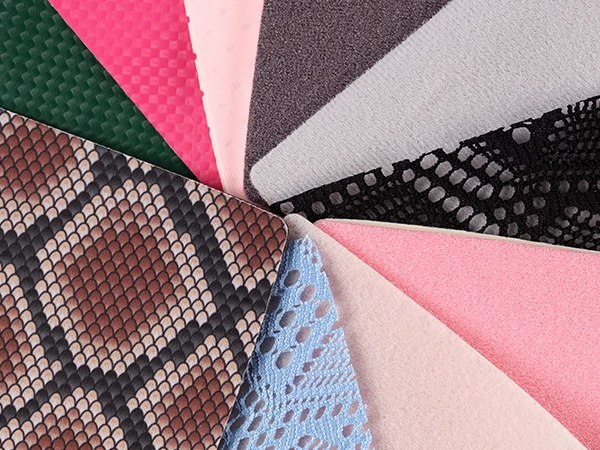
Material selection is one of the most important factors in sports compression sleeve design.
Common materials include:
- Nylon: Known for its smooth texture, strength, and abrasion resistance.
- Polyester: Offers good durability, moisture management potential, and shape retention.
- Spandex or Elastane: Provides stretch and helps the sleeve maintain a close fit.
- Neoprene: Often used in products requiring additional warmth, cushioning, or a more substantial support structure.
Many sports compression sleeves use blended fabrics to combine the advantages of different materials. For example, nylon and elastane blends can provide a close fit with flexibility, while polyester-based knitted fabrics may be suitable for lightweight, breathable designs.
The ideal material depends on the sport, climate, coverage area, and intended product positioning.
Compression Level: Choose the Right Amount of Pressure
Compression level affects how a sleeve feels and fits. A product that is too loose may slide during activity, while one that is excessively tight can cause discomfort and restrict normal movement.
When selecting sports compression sleeves, consider:
- Light compression: Suitable for users who prioritize flexibility and a less restrictive wearing experience.
- Moderate compression: A common option for general sports use, balancing close contact and comfort.
- Higher compression: May be considered for products with specific support or medical applications, but requires more careful sizing and product evaluation.
Not all sports compression sleeves provide the same pressure, and compression claims should be supported by appropriate product testing. For everyday sports use, the priority should be a comfortable, secure fit rather than maximum tightness.
Size and Fit: Prevent Slipping and Excessive Tightness
Correct sizing is essential for sports compression sleeves. A sleeve should fit closely around the intended body area without creating uncomfortable pressure, restricting circulation, or limiting movement.
Before purchasing, check the manufacturer’s size chart and measure the relevant body circumference. Depending on the product, this may include the upper arm, forearm, knee, or calf.
For brands and distributors, providing clear measurement instructions and consistent size grading can reduce sizing confusion and improve customer satisfaction.
Construction and Design: Match the Product to the Activity
Product construction determines how a compression sleeve performs in actual sports environments.
Consider details such as:
- Flatlock seams to help reduce friction.
- Reinforced stitching in high-stress areas.
- Silicone grip elements or suitable elastic openings to improve positioning.
- Mesh panels for additional ventilation.
- Integrated padding for sports involving repeated impact.
- Anatomical shaping to accommodate body contours.
These design details are particularly important for sports brands developing products for specific activities. A generic sleeve may be suitable for general use, but a sport-specific design can better address the movement and protection requirements of its intended users.
How to Wear Sports Compression Sleeves?
Choosing the right product is only part of the process. Proper wearing and maintenance also influence comfort, product durability, and the overall user experience.
How Should Compression Sleeves Fit?
A properly fitted compression sleeve should feel snug and evenly distributed around the intended area.
When putting on a sleeve:
- Check that the product is the correct size.
- Position it according to the manufacturer’s instructions.
- Smooth out folds and wrinkles to avoid pressure points.
- Make sure the sleeve does not restrict normal movement.
- Remove it if you experience numbness, tingling, unusual pain, or changes in skin color.
Compression sleeves should not be used to cover up an existing injury or replace professional medical advice. Athletes with circulation problems or relevant medical conditions should consult a healthcare professional before using compression products.
What Should Sports Brands Consider When Selecting Compression Sleeve Products?
For sports brands, distributors, and wholesale buyers, selecting sports compression sleeves involves more than evaluating how a product feels during exercise. Product consistency, manufacturing quality, customization options, and market positioning also matter.
Before placing an order, consider the following factors:
Product Range and Sport-Specific Designs
A supplier should be able to provide different sleeve configurations for different sports and customer groups. These may include calf compression sleeves, knee compression sleeves, elbow sleeves, arm sleeves, and padded protective sleeves.
A diverse product range allows buyers to develop more complete sports support collections rather than relying on a single generic design.
Material Selection and Quality Control
Material consistency directly affects stretch, compression, durability, and fit. Buyers should evaluate fabric specifications, elasticity recovery, stitching quality, color consistency, and dimensional stability after washing.
A reliable manufacturing partner should also have defined quality inspection procedures for incoming materials, production processes, and finished products.
OEM and ODM Customization Options
Different sports markets may require different product specifications. OEM and ODM services can help brands develop compression sleeves that match their product positioning.
Common customization options include:
- Fabric composition and thickness.
- Compression and stretch characteristics.
- Product length and coverage area.
- Color combinations and patterns.
- Logo printing, embroidery, or knitted branding.
- Packaging and labeling.
- Padding materials and structural configurations.
When evaluating a supplier, buyers should also confirm sample development capabilities, minimum order quantities, production lead times, and the ability to maintain consistent specifications across repeat orders.
Manufacturing Capacity and Delivery Reliability
For wholesale and private-label projects, production capacity and delivery reliability are essential considerations. Buyers should understand a supplier’s production capabilities, quality management procedures, order scheduling, and communication process.
A supplier that can support product development, sampling, bulk manufacturing, and repeat orders provides a more practical foundation for long-term cooperation.
Final Checklist: Choosing the Right Sports Compression Sleeves
The best sports compression sleeves are not necessarily the thickest, tightest, or most expensive products. They are the products that match the demands of the activity and provide a comfortable, secure fit.
Before making a purchase, use this checklist:
| Selection Factor | What to Look For |
|---|---|
| Sport type | Running, basketball, volleyball, cycling, or gym training |
| Coverage area | Arm, elbow, knee, calf, or lower leg |
| Material | Stretch, breathability, durability, and moisture management |
| Compression | Appropriate and comfortable pressure |
| Fit | Secure positioning without excessive tightness |
| Construction | Suitable seams, elastic openings, and reinforcement |
| Protection | Additional padding when required |
| Maintenance | Practical washing and care requirements |
For individual athletes, the key is to choose a sleeve that suits their sport, body measurements, and wearing preferences. For sports brands and wholesale buyers, the selection process should also include product consistency, customization flexibility, quality control, and supplier reliability.
By evaluating these factors together, it becomes easier to select sports compression sleeves that meet both performance-related wearing requirements and long-term product expectations.
Develop Your Sports Compression Sleeve Product Line with AOFIT
Looking for a manufacturing partner for sports compression sleeves? AOFIT provides sports support product development and manufacturing solutions for brands, distributors, and wholesale buyers.
From material selection and structural design to logo customization and packaging, we can support the development of sports support products for different market requirements.
Contact AOFIT to discuss your OEM/ODM project and explore customized sports compression sleeve solutions.