
Introduction
Volleyball protective gear plays an important role in helping players stay comfortable, confident, and ready for the physical demands of the game. Whether playing indoor volleyball, beach volleyball, or competitive club matches, athletes frequently perform explosive jumps, quick lateral movements, dives, and repeated landings. These movements place considerable stress on the knees, ankles, elbows, and other parts of the body.
Choosing the right volleyball protective equipment is not simply about wearing as many protective products as possible. Players need gear that matches their playing position, movement patterns, protection requirements, and personal fit preferences. The right combination can help reduce direct impact, improve wearing comfort, and support consistent performance throughout training and competition.
This guide explains the essential types of volleyball protective gear, how to select equipment for different player positions, and which product features deserve attention when choosing volleyball protection.
Why Is Volleyball Protective Gear Important?
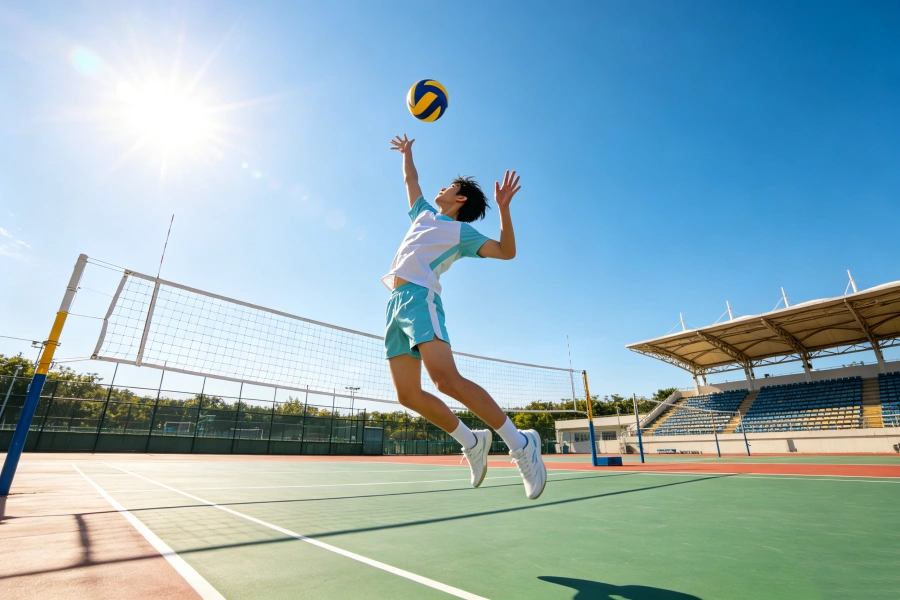
Volleyball is a fast-paced sport that combines jumping, landing, diving, blocking, and sudden changes of direction. Although it is generally considered a non-contact sport, players still experience repeated physical impacts during normal gameplay.
For example, defensive players frequently dive or slide across the court to receive difficult balls, while front-row players repeatedly jump to block and attack. Landing from a jump can place considerable loads on the lower limbs, and sudden lateral movements require the ankles to respond quickly.
Appropriate volleyball protective gear helps address several common challenges.
Reducing Impact During Dives and Landings
Knee pads are among the most recognizable pieces of volleyball protective equipment. They provide a cushioning layer between the knees and the playing surface during defensive dives, floor contact, and kneeling movements.
Ankle braces and supportive sleeves may also be used by players who want additional support around the ankle during dynamic movements. However, protective equipment cannot eliminate the risk of injury or replace proper landing techniques and physical conditioning.
Supporting Movement and Stability
Volleyball requires players to move quickly in multiple directions. Protective equipment should provide the intended support without restricting jumping, running, squatting, or lateral movement.
A well-designed ankle brace, for instance, should offer an appropriate balance between support and flexibility. Similarly, compression sleeves should fit securely without creating excessive pressure or interfering with circulation.
Improving Comfort During Long Training Sessions
Players may spend several hours practicing serving, receiving, setting, and attacking. Equipment that traps excessive heat, slips during movement, or creates pressure points can become distracting.
Breathable fabrics, moisture-management properties, ergonomic construction, and suitable sizing all contribute to a better wearing experience.
Essential Types of Volleyball Protective Gear
Different types of volleyball protective gear serve different purposes. Players do not necessarily need every product, but understanding their functions makes it easier to build a suitable equipment combination.
Volleyball Knee Pads
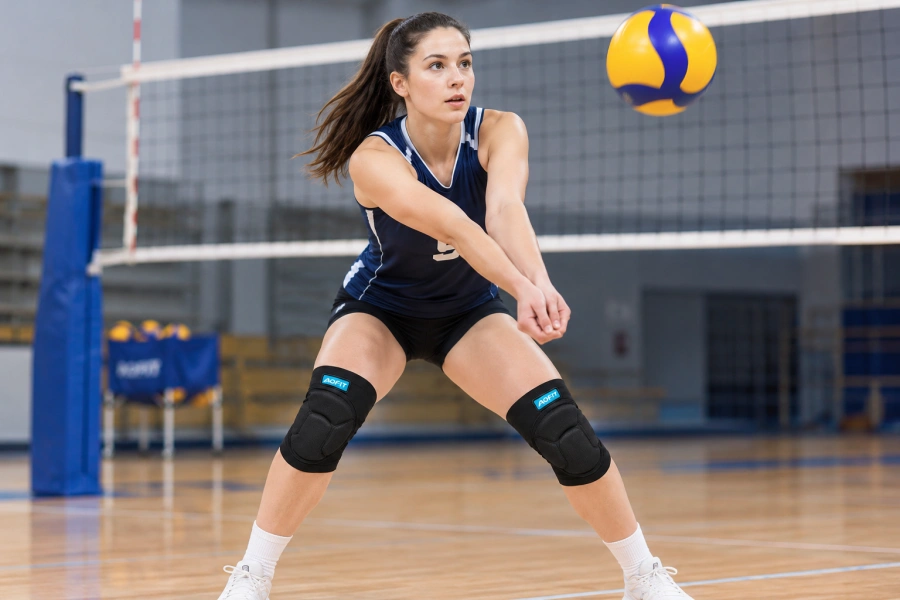
Volleyball knee pads are essential equipment for many indoor volleyball players, especially liberos and defensive specialists who frequently dive to save the ball.
The main function of knee pads is to provide cushioning between the knee and the court surface. Depending on the design, common options include:
- Foam-padded knee pads: Lightweight padding designed to absorb and distribute impact during floor contact.
- EVA-padded knee pads: EVA foam offers a lightweight cushioning structure and can be developed in different thicknesses and densities.
- Gel-padded knee pads: Gel components can provide a different cushioning feel and help distribute localized pressure.
- Full-length knee sleeves with padding: These designs combine compression coverage with integrated protective padding.
When selecting volleyball knee pads, consider the thickness, coverage area, flexibility, and position of the protective padding. A pad that is too bulky may interfere with bending and quick transitions, while insufficient coverage may leave areas exposed during dives.
Volleyball Ankle Braces
Ankle support is another important consideration in volleyball because players frequently jump, land, pivot, and move laterally. These movements require the ankle to adapt quickly to changes in direction and body weight.
Common ankle support products include compression ankle sleeves, wrap-around ankle supports, and structured ankle braces.
- Compression ankle sleeves: Provide a close-fitting layer around the ankle and are suitable for players who prefer lightweight support and a flexible feel.
- Wrap-around ankle supports: Adjustable straps allow users to modify the fit and compression according to their preferences.
- Structured ankle braces: Some designs incorporate stabilizing components or straps to provide a more structured support configuration.
When choosing volleyball ankle braces, consider the required support level, shoe compatibility, adjustability, and freedom of movement. The brace should fit securely inside volleyball shoes without creating uncomfortable pressure.
Volleyball Elbow Pads and Arm Sleeves
Elbow pads and arm sleeves are useful options for players who want additional coverage and comfort during training and competition.
Elbow pads typically incorporate cushioning around the elbow to reduce direct contact with the floor during defensive movements. They may be particularly useful for players who frequently dive or slide.
Arm sleeves, on the other hand, generally provide lightweight compression and coverage along the forearm. Some players prefer them because they offer a close fit without the bulk of traditional protective pads.
Important features to evaluate include:
- Flexible fabric that follows arm movements.
- Breathable construction for extended training sessions.
- Secure cuffs that help prevent the sleeve from slipping.
- Suitable compression without excessive tightness.
Volleyball Wrist Supports
Wrist supports are another optional part of volleyball protective gear. Players use their wrists and hands extensively when setting, serving, blocking, and receiving the ball.
Depending on the product design, wrist supports may provide compression, adjustable stabilization, or additional coverage around the wrist joint.
For volleyball applications, lightweight construction and finger mobility are especially important. A wrist support should not interfere with ball contact, hand positioning, or setting techniques.
Players who need more structured wrist stabilization should select a design based on their specific requirements rather than assuming that every wrist compression sleeve offers the same level of support.
How to Choose Volleyball Protective Gear for Different Player Positions?
Not every volleyball player has the same movement patterns or protection requirements. Position-specific selection is a practical way to identify which equipment deserves the most attention.
| Player Position | Common Movement Patterns | Recommended Protective Gear |
|---|---|---|
| Libero | Diving, sliding, quick defensive movements | Knee pads, optional arm sleeves |
| Outside Hitter | Jumping, landing, attacking, defensive transitions | Knee pads, ankle support |
| Middle Blocker | Repeated vertical jumps, blocking, quick lateral movements | Knee pads, ankle braces |
| Setter | Quick footwork, frequent hand and wrist movements | Lightweight ankle support, optional wrist support |
| Opposite Hitter | Jumping, landing, attacking, blocking | Knee pads, ankle support |
| Beach Volleyball Player | Sand diving, jumping, running, outdoor exposure | Lightweight knee protection, optional compression sleeves |
Libero and Defensive Specialists
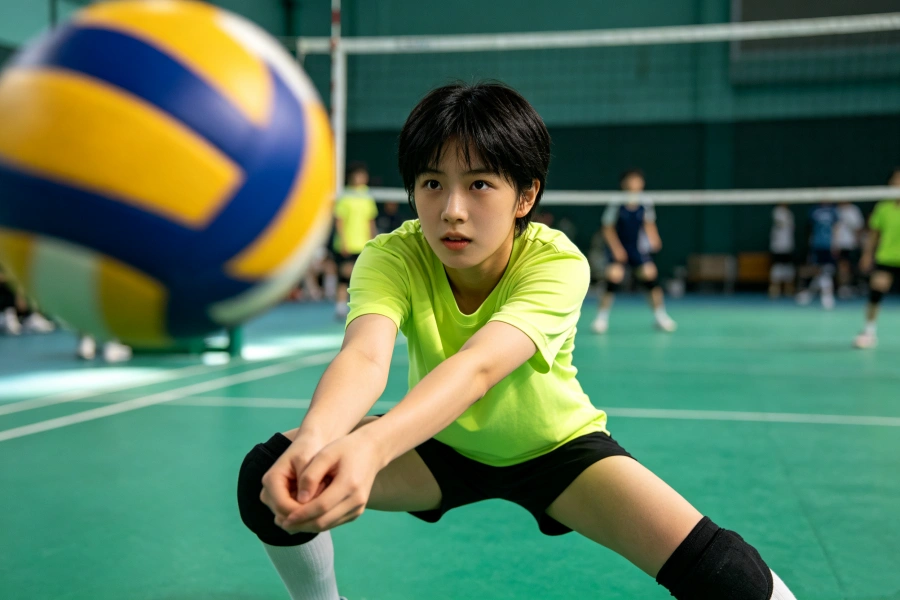
Liberos spend much of the game receiving serves, digging attacks, and covering the court. Their playing style often involves frequent floor contact.
For these players, knee pads should be a priority. Look for adequate cushioning, a secure fit, and enough flexibility for repeated bending and diving. Lightweight arm sleeves may also be considered depending on personal preference and playing conditions.
Outside Hitters and Opposite Hitters
Outside hitters and opposite hitters perform repeated approach jumps, attacks, blocks, and defensive movements. Their lower limbs experience frequent loading during takeoff and landing.
Knee pads and ankle support are two practical equipment options. Players should prioritize products that remain secure during explosive movements without restricting their jumping or landing mechanics.
Middle Blockers
Middle blockers frequently move along the net to respond to opposing attacks. They perform repeated jumps and quick lateral transitions between blocking positions.
Flexible knee pads and suitable ankle support can help improve wearing comfort during these movements. The selected equipment should allow players to squat, jump, and reposition quickly.
Setters
Setters need precise footwork and hand positioning to deliver accurate sets. They often move quickly to different areas of the court and use their wrists and fingers extensively.
Lightweight ankle support may be useful for players who want additional coverage without sacrificing mobility. Wrist supports can also be considered when appropriate, provided they do not interfere with ball handling.
Beach Volleyball Players
Beach volleyball involves a different playing environment from indoor volleyball. Players move across sand, perform dives, and spend extended periods outdoors.
Lightweight, flexible equipment is generally preferable because bulky products can become uncomfortable in hot weather. Players should also consider how sand, moisture, and repeated washing may affect the durability of their gear.
Key Factors to Consider When Choosing Volleyball Protective Gear
Beyond product type and playing position, several product characteristics influence whether volleyball protective equipment is suitable for actual gameplay.
Material and Breathability
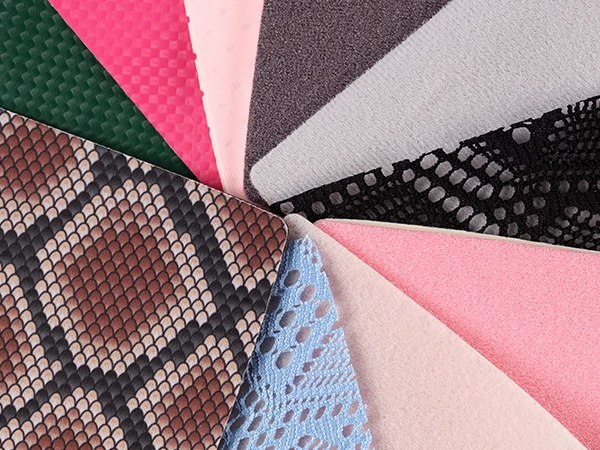
Material selection affects comfort, flexibility, durability, and overall product performance.
Common materials used in volleyball protective gear include:
- Neoprene: Provides cushioning and flexibility and is commonly used in structured support products.
- Nylon and Polyester: Frequently used in compression fabrics because of their strength, stretch potential, and durability.
- Spandex: Adds elasticity and helps products maintain a close fit.
- EVA Foam: Used in protective padding because of its lightweight cushioning properties.
- Gel Components: Can be incorporated into selected padding designs to create different cushioning characteristics.
For high-intensity volleyball training, breathable fabric construction is particularly important. Mesh panels, moisture-wicking textiles, and suitable fabric thickness can help improve ventilation and wearing comfort.
Fit, Sizing, and Compression
A protective product should fit securely without sliding, bunching, or creating excessive pressure.
For compression sleeves and elastic supports, sizing should be based on the manufacturer’s measurement guide rather than selecting a size based only on body weight or usual clothing size.
For knee pads, consider both circumference and the position of the protective pad. The product should remain properly positioned during squatting, jumping, and diving.
For adjustable braces, the strap configuration should allow users to achieve a secure fit without excessive tightening.
Protection Level and Product Structure
Different products offer different levels of cushioning and support. A lightweight compression sleeve and a structured stabilizing brace are not interchangeable.
When evaluating protective gear, consider:
- Padding thickness and coverage.
- Flexibility around major joints.
- Reinforced areas exposed to repeated contact.
- Adjustable components and closure systems.
- Compatibility with volleyball shoes and uniforms.
The goal is to choose a product structure that matches the player’s actual requirements rather than simply choosing the thickest or most complicated design.
Durability and Maintenance
Volleyball protective gear is exposed to sweat, repeated stretching, friction, and frequent washing. These conditions can affect fabric elasticity, stitching, padding, and closure components over time.
Before purchasing, check the care instructions and construction quality. Reinforced stitching, durable elastic materials, and securely integrated padding are useful features to evaluate.
For teams and clubs purchasing equipment in larger quantities, consistency in sizing, materials, and product construction is also important.
How to Build a Complete Volleyball Protective Gear Kit
Building a volleyball protective gear kit does not mean purchasing every available product. A practical combination should reflect the player’s position, training frequency, competition environment, and personal preferences.
Here is a simple reference for different playing needs:
| Player Type | Essential Equipment | Optional Equipment |
|---|---|---|
| Beginner Players | Knee pads | Ankle sleeves |
| Defensive Players | Knee pads | Arm sleeves, elbow pads |
| Competitive Indoor Players | Knee pads, suitable ankle support | Wrist supports |
| Frequent Jumpers | Knee pads, appropriate ankle support | Compression sleeves |
| Beach Volleyball Players | Lightweight protective equipment | Breathable arm sleeves |
For beginners, a basic pair of comfortable knee pads may be a sensible starting point, particularly if they are learning defensive movements.
For competitive players, equipment selection should be based on actual training demands and any individual support requirements. Players who have a history of ankle or wrist injuries should consult a qualified healthcare professional about appropriate support options.
Teams and clubs should also consider equipment consistency. Choosing products with standardized sizing, reliable materials, and repeatable construction makes it easier to manage team equipment and future replacements.
Final Thoughts
Choosing the right volleyball protective gear requires more than comparing product prices or selecting the most heavily padded option. Players should consider their position, movement patterns, protection requirements, material preferences, fit, and durability.
For most indoor volleyball players, knee pads are an important starting point. Depending on playing style and individual requirements, ankle braces, elbow pads, arm sleeves, and wrist supports can provide additional equipment options.
The best volleyball protective equipment is the gear that matches the player’s actual needs while allowing natural movement and comfortable performance. By evaluating product structure, materials, sizing, and durability, players can build a more practical and reliable volleyball gear kit for training and competition.