
If you wake up at night with numb, tingling fingers or feel a sharp pain in your wrist after long hours of typing, you may be wondering: Does a wrist support for carpal tunnel actually help?
The short answer is yes. Clinical research shows that wearing a properly designed carpal tunnel wrist brace significantly reduces symptoms. A study published in the Journal of Hand Therapy found that night‑time wrist splinting improved symptoms in over 60% of patients with mild to moderate carpal tunnel syndrome (CTS).
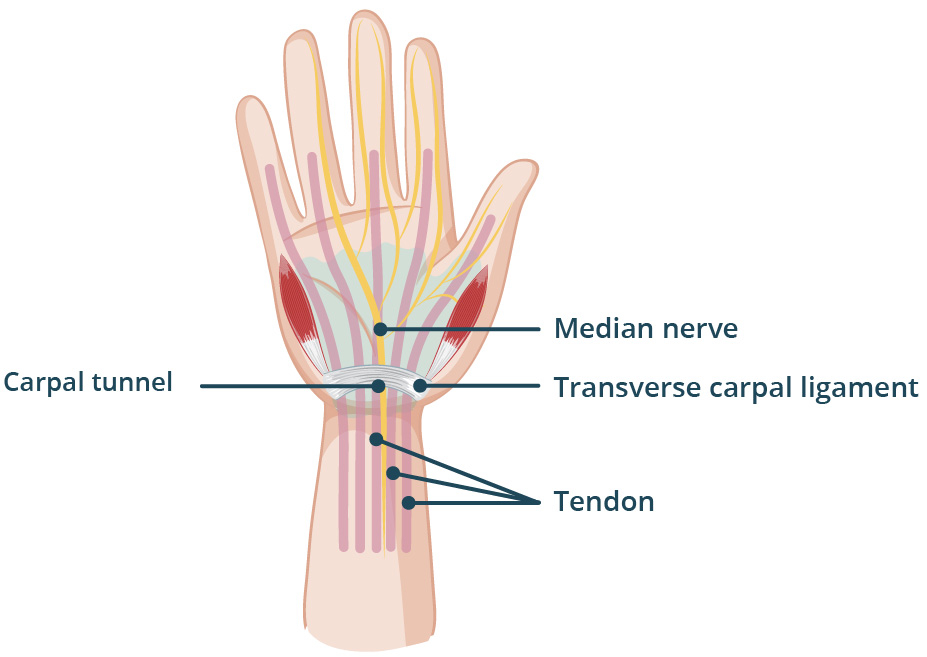
However, it is important to understand that a wrist support does not “cure” carpal tunnel syndrome. It works by relieving pressure on the median nerve — the nerve that runs through the carpal tunnel in your wrist. When this nerve is compressed, it causes the classic symptoms: numbness, tingling, burning pain, and eventually weakness.
This guide is written for people with mild to moderate symptoms. If you are in this group, a wrist support can be a game‑changer. For severe cases, we will also help you recognize when it is time to see a doctor.
How a Wrist Support Actually Relieves Carpal Tunnel Pressure?
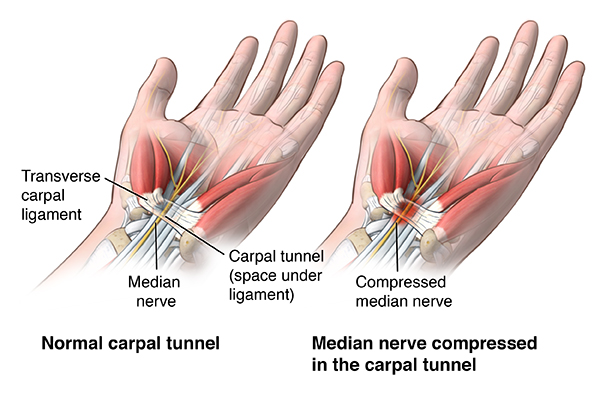
To understand why a wrist support works, you need to know what happens inside your wrist during daily activities. The carpal tunnel is a narrow passageway surrounded by bones and ligaments. Through this tunnel passes the median nerve and nine tendons. When you bend your wrist forward (flexion) or backward (extension), the tunnel becomes tighter and compresses the nerve.
A high‑quality carpal tunnel wrist brace holds your wrist in a neutral position (straight) or slight extension (about 10 degrees). This position maximizes the space inside the carpal tunnel, immediately reducing pressure on the median nerve.
The second mechanism is called relative rest. Many repetitive actions — typing, using a mouse, gripping tools, even sleeping with a bent wrist — constantly irritate the nerve. By immobilizing the wrist, a brace interrupts this cycle, giving the nerve time to recover.
When a Wrist Support Works Best for Carpal Tunnel Syndrome?
Not all patients benefit equally. Knowing when to wear a wrist brace — and for whom — maximizes results.
Night‑time Use (Most Critical)
During sleep, most people unconsciously bend their wrists into extreme flexion. This prolonged compression is why many CTS patients wake up with numb, painful hands. Wearing a carpal tunnel splint at night prevents this. Most clinical guidelines recommend night‑only splinting as the starting point. Patients often report reduced morning numbness within one week.
Day‑time Use (Symptom‑Triggered)
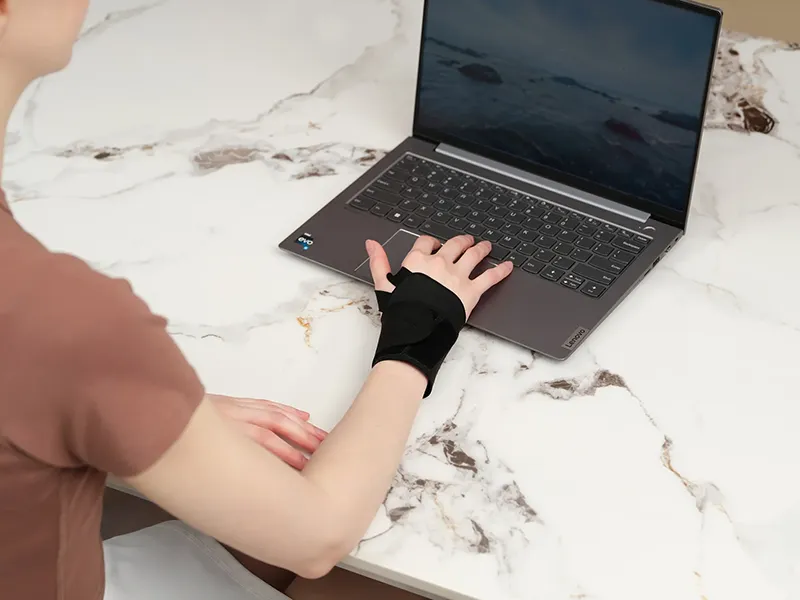
During the day, wear a wrist support for carpal tunnel during activities that trigger symptoms: typing long documents, using vibrating tools, assembly line work, or carrying heavy loads. Daytime use should be intermittent — remove the brace every 2‑3 hours to move your wrist and maintain muscle activity.
Specific User Groups
- Pregnancy‑related CTS – Hormonal fluid retention increases carpal tunnel pressure. A wrist brace is often highly effective and safe during pregnancy. Symptoms usually resolve after delivery.
- Office workers – For those spending 8+ hours on a computer, combining a night brace with ergonomic adjustments (vertical mouse, split keyboard) works best.
- Manufacturing & construction workers – Repetitive gripping and vibration are major triggers. A rigid carpal tunnel wrist brace used during shifts can reduce symptom flare‑ups.
Expected Timeline
Clinical studies show that consistent use (especially night‑time) for 3 to 4 weeks produces significant symptom improvement in mild to moderate cases. However, benefits may start earlier — some users notice less tingling after just one week.
When a Wrist Brace Is Not Enough: Recognizing the Limits
A high‑quality best wrist brace for carpal tunnel is a powerful tool, but it has limits. Knowing these limits protects you from delaying necessary medical care.
Signs of Severe Carpal Tunnel Syndrome
If you experience any of the following, a wrist brace alone is unlikely to be sufficient:
- Persistent numbness or weakness – Numbness that never goes away, even after waking up.
- Thenar muscle wasting – The fleshy part at the base of your thumb (thenar eminence) looks flattened or thinner than the other hand.
- Loss of grip strength – Frequently dropping objects, difficulty buttoning shirts, or opening jars.
- Symptoms that do not improve after 3‑4 weeks of consistent night splinting.
In these cases, the nerve has been compressed for too long or too severely. Conservative treatments including bracing may only slow progression but cannot reverse established damage. You should consult a hand surgeon or neurologist.
Setting Realistic Expectations
A carpal tunnel wrist brace is best understood as a symptom management and progression‑slowing tool. It does not remove bone spurs, shrink inflamed tissues, or cure underlying conditions like diabetes or hypothyroidism that can cause CTS.
Key Features of an Effective Carpal Tunnel Wrist Brace
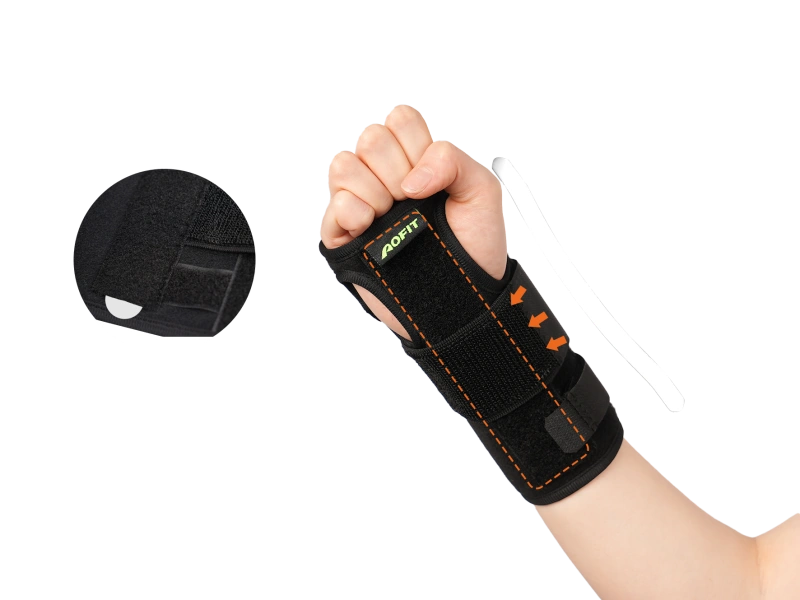
When sourcing carpal tunnel wrist braces for your customers (or choosing one for yourself), look for these non‑negotiable features. For B2B buyers, understanding these features helps you specify the right custom wrist brace manufacturer to meet market demands.
1. Rigid Palmar Support
The brace must have a rigid or semi‑rigid insert on the palm side — typically made of metal (aluminum) or hard plastic. This insert prevents wrist flexion (bending forward) and limits extension. Without this, it is just a compression sleeve, not a therapeutic splint.
2. Neutral Position Locking
The splint should hold the wrist at 0° to 10° extension. Avoid braces that lock the wrist in excessive extension (too far back) — that can actually increase pressure.
3. Adjustability & Fit
- Adjustable straps (Velcro) allow fine‑tuning of compression. Too tight can impair circulation or compress the nerve further; too loose provides no support.
- Breathable materials (neoprene, mesh, or cotton blends) are essential for night‑time comfort.
- Removable splints allow the outer sleeve to be washed.
4. Distinguishing Types
- Rigid splint – For night use or severe daytime symptoms. Maximum immobilization.
- Soft support with removable stay – For daytime intermittent use or mild symptoms.
- Compression glove – Provides warmth and mild support but does NOT replace a rigid splint for true carpal tunnel relief.
As a custom wrist brace manufacturer, we design braces that combine a rigid palmar stay with breathable, washable fabrics — available in bulk with your branding.
How to Use a Carpal Tunnel Wrist Support for Maximum Relief?
Even the best wrist brace for carpal tunnel will fail if used incorrectly. Follow these evidence‑based practices.
Night‑Time Best Practices
- Tightness test: You should be able to slide one finger between the strap and your skin. If you cannot, it is too tight. If you can slide two fingers, it is too loose.
- Wear it every night for at least 3‑4 weeks. Consistency is more important than duration per night.
- Put it on right before sleep — not hours earlier — to avoid daytime overuse.
Day‑Time Precautions
- Intermittent use only: Wear during symptom‑triggering activities only. Remove during breaks.
- Avoid dependency: Prolonged constant wear (24/7) can lead to muscle weakness and joint stiffness. Your wrist needs movement to stay healthy.
Synergistic Strategies
Combine your wrist support for carpal tunnel relief with these additional measures:
- Avoid extreme wrist postures – Keep your wrist straight during sleep, typing, and driving.
- Keep hands warm – Cold increases stiffness and pain. Wear fingerless gloves in cold environments.
- Avoid tight gripping – Use larger handles on tools and relax your grip frequently.
- Ergonomic adjustments – Adjust chair height so your forearms are parallel to the floor. Use an ergonomic mouse and split keyboard.
Wrist Brace vs Other Carpal Tunnel Treatments: Where It Fits
Understanding how a carpal tunnel splint compares to other treatments helps you make informed decisions — and for B2B buyers, helps you position products in a treatment pathway.
| Treatment | Best For | Role of Wrist Brace |
| Wrist brace alone | Mild to moderate, mainly night symptoms | First‑line, no side effects |
| NSAIDs (ibuprofen, naproxen) | Inflammation and acute pain | Can be used together. Brace addresses mechanical compression; NSAIDs target inflammation. |
| Ergonomic adjustments | Prevention and workplace management | Brace + ergonomics often better than either alone. |
| Corticosteroid injection | Moderate to severe, short‑term relief | Brace used after injection to prolong benefit. |
| Carpal tunnel release surgery | Severe with muscle wasting or failed conservative care | Brace is not a substitute for surgery. After surgery, a soft brace may be used temporarily. |
A wrist support is the least invasive, most cost‑effective entry point for carpal tunnel management. It is also the only treatment that can be deployed at scale without medical supervision — making it ideal for corporate wellness programs, ergonomic supply catalogs, and workplace safety kits.
If you are looking for a high‑quality, customizable carpal tunnel wrist brace that meets clinical standards, contact us to request samples or discuss bulk orders.
FAQ: Common Questions About Wrist Supports for Carpal Tunnel
Can a wrist brace make carpal tunnel worse?
Yes, if used incorrectly. A brace that is too tight can compress the median nerve further. An overly loose brace provides no support. Also, wearing a rigid brace all day without breaks can lead to muscle weakness. Always follow tightness guidelines (one finger under strap) and use only as recommended.
What’s the difference between a wrist brace and a splint for carpal tunnel?
In practice, the terms are used interchangeably. Technically, a “wrist splint” is more rigid and typically used at night; a “wrist brace” may be softer for daytime. Both should have a rigid palmar insert to block wrist flexion. Avoid soft compression sleeves without a rigid stay — they do not provide true carpal tunnel relief.
If you are looking for a wrist brace that meets all these criteria — rigid palmar support, neutral position locking, breathable materials, and bulk customization options — contact us or explore our custom wrist brace manufacturing page. We serve clinics, ergonomic suppliers, corporate wellness programs, and distributors worldwide.