
Elbow tendonitis is a common overuse injury caused by repetitive strain on the forearm tendons. It frequently affects athletes, office workers, and manual laborers who perform repetitive arm and wrist movements. Lateral epicondylitis affects approximately 1–3% of adults annually. About ten to twenty percent of people who get epicondylitis get medial epicondylitis. Elbow tendonitis can really affect how well people can do their activities and their jobs. Whether someone plays tennis or golf, works in an office, or is a manual laborer, elbow tendonitis can be a big problem. Using an elbow brace for tendonitis can be a help, but you have to choose the right kind of brace.
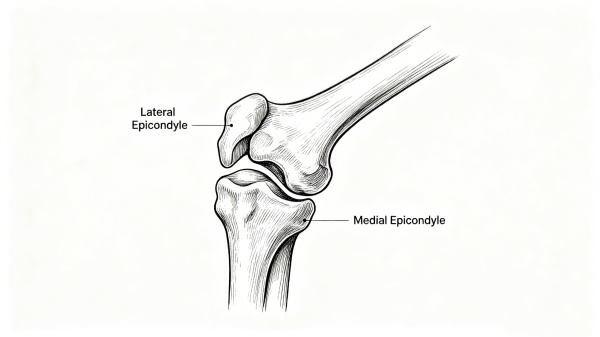
Do Elbow Braces Actually Help Tendonitis?
The Counterforce Mechanism
Elbow braces function through a counterforce mechanism. They put pressure on the muscle in the forearm below the elbow. This helps take some of the stress off the tendon that is hurt. The brace acts like an anchor, which absorbs some of the force that goes to the tendon when the muscle contracts. This can reduce the strain on the tendon by thirteen to fifteen percent. It can even reduce the load on the tendon by up to forty percent.
Evidence from Clinical Research
The evidence base for counterforce bracing is substantial. A 2023 study in the Journal of Orthopaedic & Sports Physical Therapy found that using a brace correctly can really reduce the load on the tendon. Another study, in 2025, found that counterforce braces, corticosteroid injections, and kinesio tape can all help reduce pain and tendon thickness.
What Elbow Braces Can and Cannot Do
What an elbow brace can do: It can help reduce pain when you’re active, reduce inflammation by putting gentle pressure on the area, help the tendon heal by reducing the stress on it, and help you move better so you do not hurt the tendon again.
What an elbow brace cannot do: It cannot replace therapy or exercise. To really fix the tendon, you need to do exercises and change how you do things. An elbow brace is a tool to help you feel better; it is not a cure. Elbow tendonitis needs to be treated with a combination of things, including exercise and rest. Elbow braces for tendonitis are one part of the treatment.
5 Key Benefits of an Elbow Brace for Tendonitis
1. Pain Relief During Activity

The main benefit of a tennis elbow brace is that it reduces pain away when you do things that hurt. The brace takes some of the pressure off the part of your tendon so it hurts less when you grip, lift, type or twist. Unlike pain medicine that works over your body, an elbow brace gives you local pain relief right where you need it.
2. Swelling and Inflammation Control
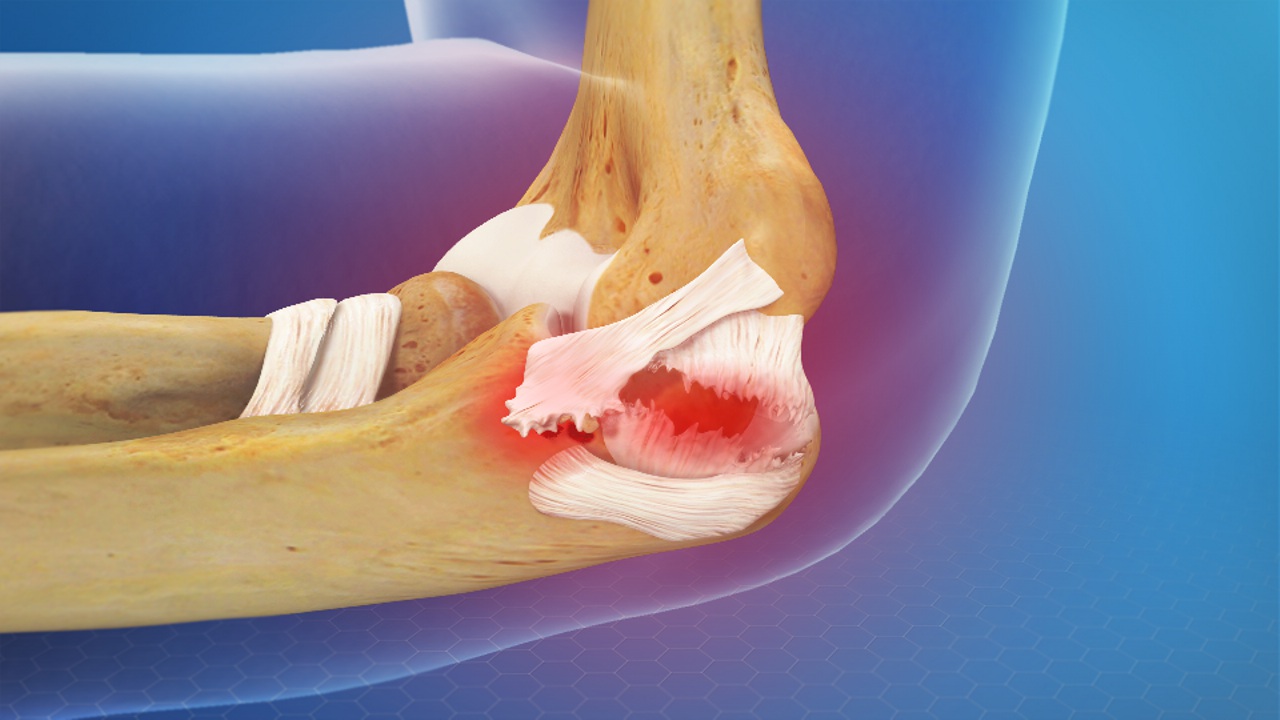
An elbow sleeve or strap can help control swelling and inflammation. It does this by putting pressure on your elbow, which helps your body drain excess fluid and reduces pain caused by swelling. When you use a brace with ice and anti-inflammatory medicine, it can help you feel better.
3. Movement Restriction and Protection
An elbow brace helps you avoid movements that can make your tendon injury worse. It gives you feedback so you don’t stretch your wrist far. A good elbow brace for tendonitis protects your tendon without keeping you from moving your elbow and wrist normally.
4. Accelerated Recovery Timeline
When you wear an elbow brace for tendonitis, it protects your tendon from much stress, which helps it heal. Research shows that using a brace, resting, and doing exercises can help you get better faster. An elbow brace does not directly repair the tendon pathology. It helps your body heal itself.
5. Confidence to Stay Active
Wearing an elbow brace can make you feel more confident when you start being active. This is important for athletes and people who like to stay active. When you feel more secure, you’re more likely to stick to your exercise plan. Avoid getting out of shape from being inactive for too long. An elbow brace for tendonitis helps you feel safe and confident.
Types of Elbow Braces for Tendonitis: Which One Matches Your Need
Counterforce Elbow Strap / Tennis Elbow Strap
The most widely recommended and effective option for elbow tendonitis. This counterforce brace elbow is worn on the forearm, approximately two to three finger-widths below the elbow joint. Targeted compression is applied directly over the muscle belly, with an adjustable strap and often a gel or foam pad to distribute pressure evenly. Ideal for moderate pain during sports or occupational activities. Correct positioning is essential, the pad must rest over the muscle, not on the bony elbow.
Elbow Compression Sleeve
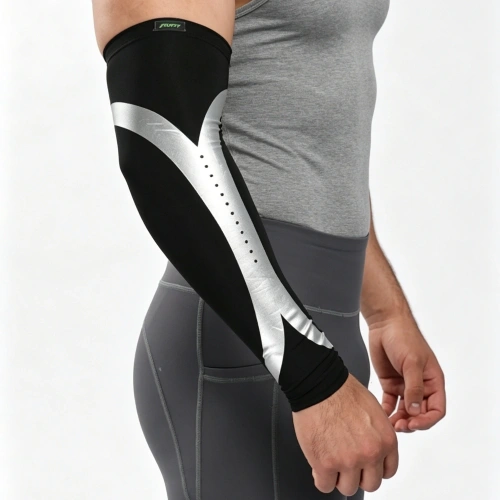
Provides broad, uniform compression across the entire elbow joint and surrounding muscles. Made from materials such as neoprene (heat-retaining, high durability) or breathable knits (cooler, better for prolonged wear). Best suited for mild to moderate symptoms, post-activity recovery, or all-day comfort in occupational settings like office work. Can also be worn underneath a counterforce strap for combined benefits.
Hinged Elbow Brace
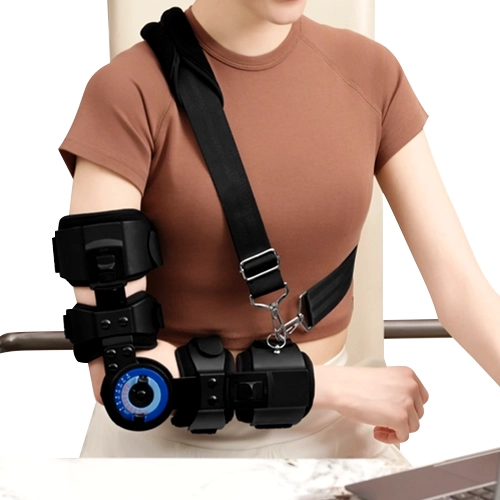
Hinged elbow brace incorporates rigid or semi-rigid hinges to control elbow range of motion. Reserved for severe cases, post-surgical rehabilitation, or instances of gross instability where mechanical motion control is clinically indicated. Significantly more restrictive than other options; not appropriate for routine daily use or mild tendonitis.
Adjustable / Dual-Strap Brace
Features two adjustable straps—one above and one below the elbow—providing graduated compression and customizable support levels. Adapts well to varying activity intensities. Often incorporates breathable, moisture-wicking materials for extended wear comfort.
Pneumatic Armband
Uses an inflatable air bladder to deliver consistent, adjustable compression. Differs from fixed counterforce straps in that the pressure level can be varied by inflating or deflating the bladder. Best suited for short-term use during acute exacerbation episodes when inflammation is most pronounced.
KT Tape (As an Alternative)
Kinesiology tape offers dynamic support through skin-borne proprioceptive input; it does not provide structural fixation or mechanical load redistribution at the same magnitude as a rigid brace. Suitable for mild cases or for athletes requiring maximum mobility, but requires precise application technique and offers less consistent tension than a mechanical brace.
Comparison Table: Elbow Brace Types at a Glance
| Type | Severity | Best Use Scenario | Breathability | Range-of-Motion Restriction | Typical User Profile |
| Counterforce Strap | Moderate | Sports, occupational tasks, desk work | High (minimal coverage) | Minimal | Active individuals with sharp, activity-related pain |
| Compression Sleeve | Mild–Moderate | All-day wear, recovery, office work | Medium–High (depends on fabric) | Very minimal | Office workers, mild tendinopathy, post-recovery maintenance |
| Hinged Brace | Severe / Post-op | Post-surgical rehabilitation | Low–Medium | Significant | Patients with ligamentous instability or post-surgical recovery |
| Adjustable/Dual-Strap | Moderate–Severe | Variable—can be adjusted for different activities | Medium | Moderate | Clinicians who need progressive, customizable support |
| Pneumatic Armband | Acute flare-ups | Short-term acute exacerbation control | Medium | Minimal | Acute-stage patients requiring adjustable compression |
| KT Tape | Mild | High-mobility athletic activity | High | None | Athletes who prioritize full motion over structural support |
How to Choose the Right Elbow Support for Tendonitis?
1. Severity of Symptoms
- Mild symptoms (occasional discomfort after activity) → Compression sleeve or KT tape.
- Moderate symptoms (pain during specific tasks, noticeable grip weakness) → Counterforce strap.
- Severe symptoms (pain at rest, significant functional impairment) → Hinged brace or medical referral.
2. Primary Activity Type
- Office/desk workers (typing, mouse use): Breathable compression sleeve for all-day comfort
- Racquet sports athletes: Counterforce strap with gel pad, worn only during play
- Weightlifting/fitness: Counterforce strap or adjustable brace
- Manual laborers: Durable dual-strap brace with moisture-wicking fabric
3. Fit, Sizing and Material
Measure the circumference of the forearm approximately 2–3 cm below the elbow joint. “Effective compression” means snug enough to stay in place without causing numbness, tingling, or discoloration distal to the brace—you should be able to comfortably slide one finger between the strap and your skin. Neoprene offers warmth and durability; breathable knits are superior for hot environments or prolonged wear.
What B2B Buyers Should Look for in an Elbow Brace Manufacturer?
Quality Assurance and Compliance
Medical-grade elbow braces need to meet rigorous international standards. Reputable elbow brace manufacturers should hold certifications such as ISO 13485, CE marking, FDA registration, and compliance with ASTM F2931 for sports elbow braces. These certifications are non-negotiable when supplying to clinics, hospitals, or regulated retail channels.
Customization and OEM/ODM Capabilities
Beyond compliance, the flexibility to offer customized solutions—branded packaging, private label design, tailored sizing charts, and specific material compositions—distinguishes a strategic partner from a transactional supplier. Manufacturers offering OEM (Original Equipment Manufacturer) and ODM (Original Design Manufacturer) services enable distributors to build their own branded product lines without incurring the fixed costs of in-house design and manufacturing.
Scalable Supply Chains
Leading manufacturers should maintain substantial production capacities, with monthly outputs reaching hundreds of thousands of units and sample lead times as short as 10–15 days. For B2B buyers, evaluating a supplier’s operational history, response time metrics, and client retention rates provides actionable insight into long-term reliability.
Conclusion
As demand for orthopedic elbow supports continues to grow, choosing the right OEM elbow brace manufacturer becomes increasingly important. At AOFIT, we provide OEM/ODM elbow brace solutions with customizable materials, private-label packaging, and strict quality control under CE, FDA, and ISO 13485 standards.
Whether you are a distributor, medical elbow support brand, e-commerce seller, or rehabilitation supplier, our team can support your market needs with flexible MOQ and fast sampling services.