
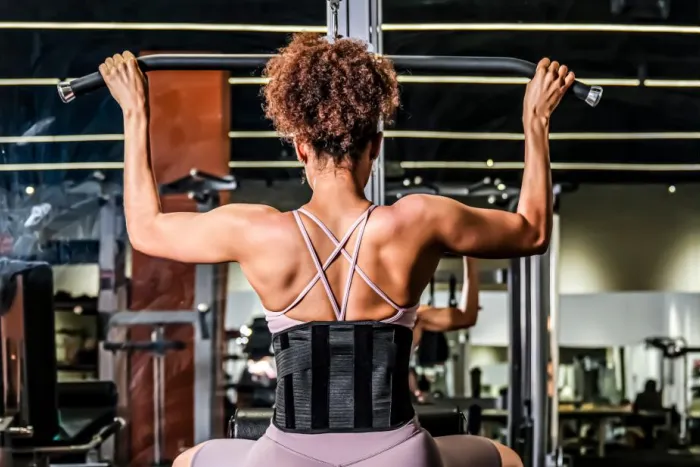
A frequent point of confusion when using lower back braces is should we wear a back brace over or under clothes. This choice plays a key role in both user comfort and the brace’s overall performance. Skin-contact application offers firmer, more direct stabilization, but it also raises the risk of irritation or chafing. Conversely, wearing the brace over garments helps protect the skin and often feels more comfortable throughout the day, although it may slightly diminish the supportive effect.
Weighing the advantages and drawbacks of each approach is important for getting the best results: wearing your brace on the outside is the better choice.
For detailed guidance on selecting an appropriate back brace, feel free to explore our related article.
Pros and Cons of wearing a back brace under clothes
Pros: Wearing a back brace beneath your clothing comes with a range of advantages. Chief among these is improved support. When the brace sits directly against the skin, it delivers more effective stabilization, since there is no layer of fabric to reduce contact or compromise fit. This close placement also helps keep the brace securely in position, ensuring consistent compression and proper spinal alignment to ease discomfort and provide reliable back support.
Another benefit is discretion. Because the brace is hidden under your clothes, it allows you to manage your condition without drawing attention—an appealing option if you’d rather keep your treatment private.
Cons: That said, there are downsides worth noting. Skin irritation is a common concern; the constant rubbing of the brace against bare skin can lead to sweating, redness, and general soreness, particularly if worn for long stretches. This issue tends to worsen in warm climates or for those with more sensitive skin.
Comfort can also be compromised. Wearing the brace underneath fitted clothing may increase pressure on the body and limit natural movement, making daily activities feel more restrictive than they otherwise would.
How to minimize discomforts
If you’d rather go without clothing beneath your back brace yet still want to minimize discomforts such as skin irritation, here are some practical approaches to consider:
- Create a Protective Layer – Place a soft, air-permeable material—like cotton or microfiber—between your skin and the brace to cut down on rubbing.
- Keep the Area Clean – Regularly wash the skin underneath the brace and apply talcum powder to keep moisture at bay.
- Check the Tightness – Make sure the brace fits securely without being overly compressed, so as to avoid unnecessary stress and chafing.
- Give Your Skin Rest – Take periodic breaks from wearing the brace to let your skin breathe and recover.
- Soothe with Gentle Products – Use hypoallergenic lotions or creams to calm and guard your skin against irritation.
- FITTING -Avoid wearing tight clothing over your brace, as it may affect how well the brace fits and works. Opt for garments that let you move easily without squeezing the brace. If you notice deep fabric lines, feel uncomfortable, or find your movement limited, your clothes are likely too tight. Always confirm that the brace remains stable and provides consistent support throughout your daily activities.
Pros and Cons of wearing a back brace over clothes
Pros: Conversely, opting to wear a back brace atop your clothing can significantly enhance day-to-day comfort. The layer of material between the brace and your skin acts as a buffer, minimizing friction and lowering the likelihood of chafing or irritation. This added comfort makes it far more practical to keep the brace on for extended stretches.
Furthermore, this approach simplifies both adjustments and removal, since you can easily reach the straps or fastenings without having to strip down or change outfits.
Cons: That said, this convenience comes with certain trade-offs. The most notable drawback is a potential loss in therapeutic efficacy—the intervening fabric can diminish the brace’s ability to deliver firm, direct support and stabilization compared to skin‑contact wear.
On top of that, wearing it externally naturally makes the brace more conspicuous, which may be a drawback if you’d rather keep your use of it discreet and out of sight.
BEST FABRIC CHOICES FOR UNDER-BACK-BRACE WEAR
Choosing the right material to wear beneath your back brace is key to ensuring both comfort and optimal performance, especially when it’s worn underneath everyday clothing. Below are some top fabric and garment recommendations:
- Cotton – Soft, breathable, and gentle on sensitive skin, cotton is a go-to option for under-brace wear. Its natural ability to soak up moisture helps minimize sweating and lowers the chance of skin flare-ups or rashes.
- Moisture-Managing Synthetics – Performance fabrics, particularly those made from polyester blends, are engineered to draw perspiration away from the body. This keeps you feeling dry and at ease, which is especially beneficial during long hours of wear or when you’re active.
- Seam-Free Styles – To avoid chafing and discomfort from rough seams pressing into your skin, choose seamless tops or undershirts. Tank tops and T-shirts crafted from lightweight, airy materials are excellent options.
- Supportive Fitted Layers – Close-fitting compressionwear made from spandex or elastane blends offers gentle, even pressure that can enhance brace stability. These snug garments help hold the brace securely in position without creating unnecessary bulk or bunching.
For the best comfort and support, wear clothes that are smooth against your skin—no folds or creases underneath the brace. After putting on the brace, take a moment to feel around; it should rest evenly over your clothing, not too tight in some places or too loose in others.
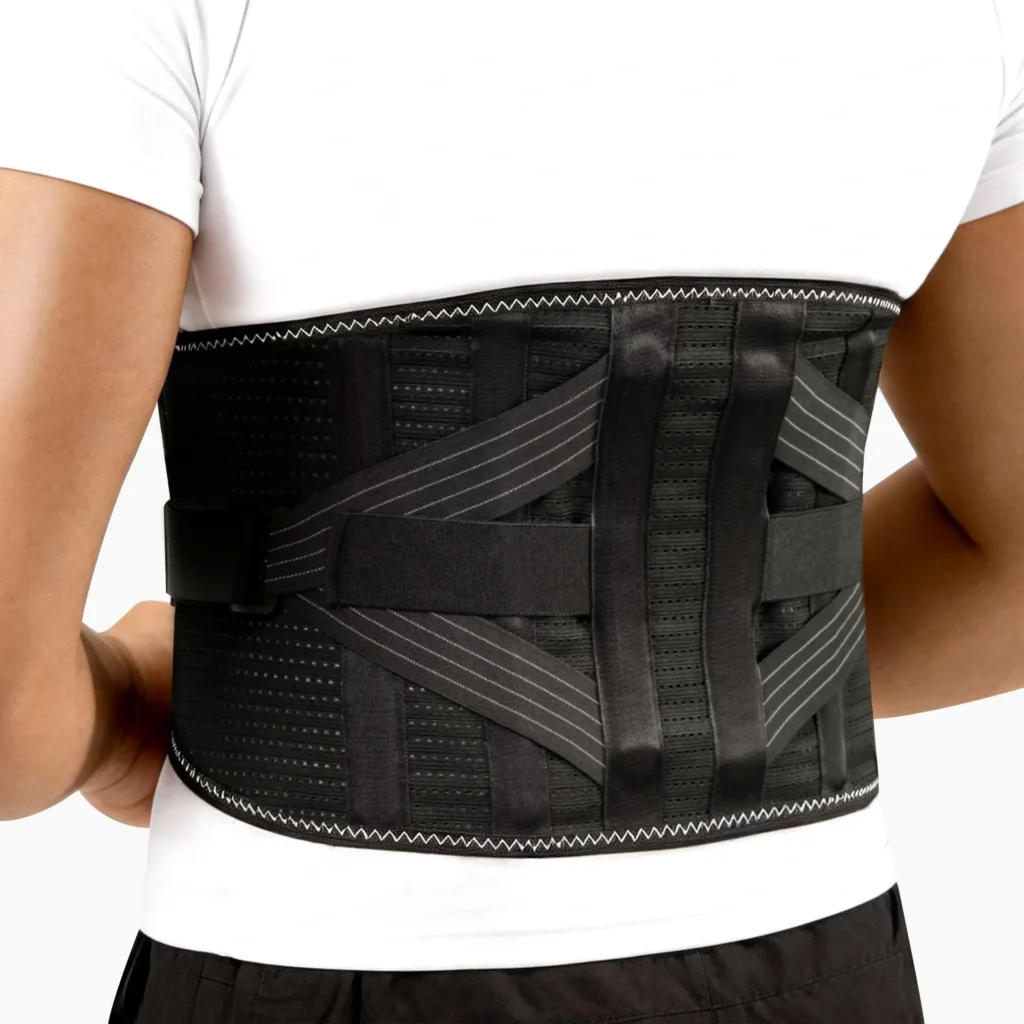
Why is a base layer the usual recommendation?
Generally speaking, wearing your brace on the outside is not only acceptable but actually the better choice.
- For brief or minor tasks – If you’re only strapping on the brace to move one heavy object or handle a quick 15-minute chore, putting it over your everyday clothing works just fine.
- When bundling up against the cold – In freezing weather, you might need to wear the brace over a thermal top or lightweight sweater. Keep in mind, though, that extra layers can affect how snugly it fits, so expect to readjust it from time to time.
- With certain heavy-duty models – Some rigid, high-support braces are specifically built to go over outer clothing. These are usually prescribed for particular medical needs, so be sure to follow the custom brace manufacturer‘s or your clinician’s guidance.
In all these cases, it’s important to weigh the pros and cons. Going this route offers more ease and flexibility, but it often comes at the cost of a less secure fit, reduced subtlety under clothing, and diminished corrective pressure—benefits that typically depend on a close, layer-free contact with your skin or a thin base garment.
SUITABLE CLOTHING PIECES OR OUTFITS: back brace over or under clothes
By selecting appropriate clothing to wear under and over the brace and layering thoughtfully, you can maintain comfort and look fashionable.
Season-Specific Layering for Optimal Performance
| Options | SPRING/SUMMER | AUTUMN/WINTER | YEAR-ROUNDCOMPRESSION GARMENTS |
| Under a back brace | Light, breathable cotton top—either a tank or t-shirt. This helps reduce sweat and improve airflow for all-day comfort. | Long-Sleeve seamless Shirts made from soft, moisture-wicking fabric. They keep you warm while reducing skin irritation. | Compression shirts and tank tops from spandex or elastane blends provide a form-fitting base layer, ensuring secure positioning while maintaining a slim, non-bulky profile. |
| Over a back brace | Loose blouses or button-down shirts that glide easily over your brace Relaxed, drapey dresses that fall softly over the brace | Cosy, slightly oversized sweater or a button-up cardiganSlightly larger jacket or coat to comfortably fit | Fitted t-shirt beneath the brace, then top it off with a loose blouse or jacket |
Activity-Specific Layering for Optimal Performance
How you wear your support device should change based on your activity level and environment. The requirements for a sedentary office job are completely different from those of an intense workout session.
At Your Desk (Seated Position): Prioritize comfort and subtlety. Wearing a smooth undershirt made from bamboo or a synthetic blend under your work clothes helps create a clean, invisible line while keeping you cool throughout the day—especially important for those relying on posture-correcting supports during prolonged sitting.
Manual Work (Heavy Lifting or Bending): Here, stability takes center stage. A closely fitted, sweat-wicking compression top offers the best traction, minimizing any slippage of the brace as you twist or lift. For individuals depending on a back support during long hours on their feet, a firm foundation layer is absolutely essential.
Sports and Physical Activity: The top priority is efficient sweat control. Choosing a high-grade athletic top crafted from advanced performance fabrics is a must. Such materials help regulate body temperature, reduce friction during repetitive motions, and ensure the brace remains securely positioned throughout your routine.
Conclusion
Ultimately, consistency depends on comfort. The “over or under” debate isn’t about hard rules—it’s about what keeps you wearing your brace. A thin, breathable undershirt prevents chafing, perspiration, and slippage, the three biggest deal-breakers for users. This simple fix makes the brace feel less like a chore and more like second nature, so you stay supported without the aggravation. Still looking for breathable, lightweight fabric that can be comfortably worn under clothing? Contact AOFIT now for more detailed custom lower back brace solutions.