
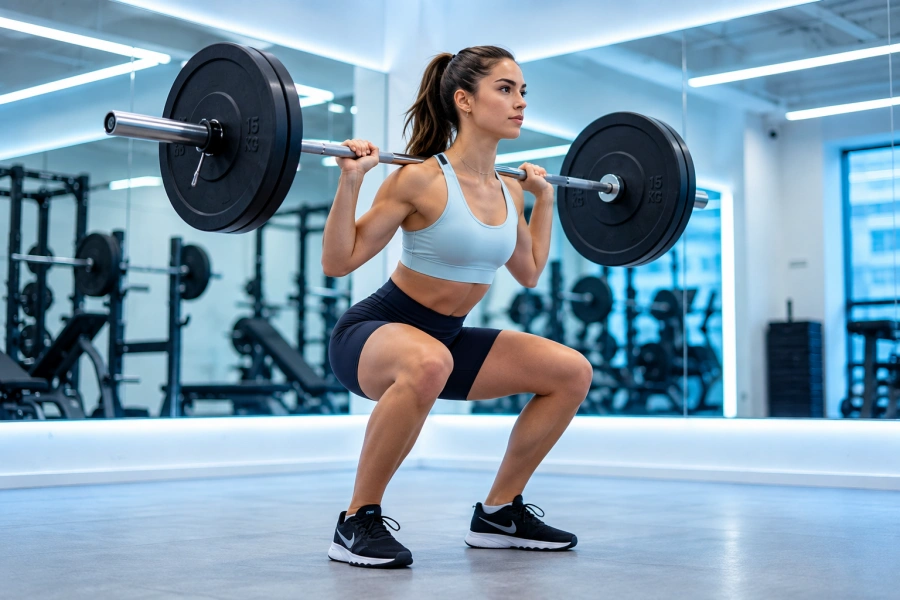
You load up the bar for another heavy squat set, glance down at your bare knees, and wonder if you’re missing something everyone else at the gym seems to have. That flash of doubt—do I actually need knee sleeves?—is why you’re here.
Weightlifting knee sleeves aren’t necessary for everyone. For a specific group of lifters, they’re closer to essential gear than a nice-to-have accessory. The answer depends on your training load, joint history, and what you’re actually asking your knees to do under the bar.
The real science behind weightlifting knee sleeves shows who benefits most from wearing them, who can skip them without risk, and how to choose the right pair if you need one. You can stop guessing and start training with confidence.
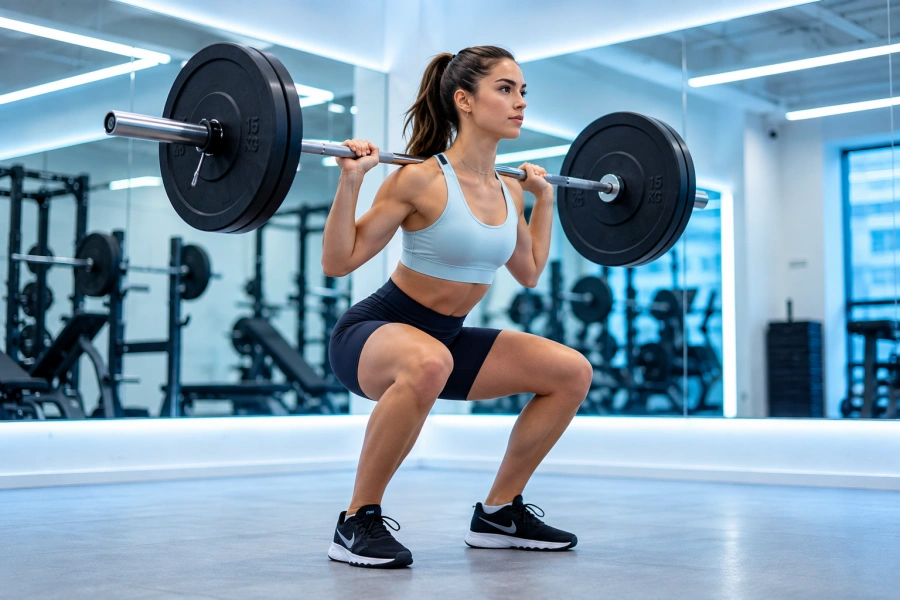
Are Weightlifting Knee Sleeves Necessary?
Compression knee sleeves are useful for some lifters and unnecessary for others. Whether you need them comes down to your training intensity and joint condition.
You benefit from weightlifting knee sleeves if you:
Squat near your 1RM or train heavy regularly
Run high-volume squat sessions where knees fatigue fast
Feel mild stiffness or discomfort and want compression plus warmth
Do front squats, back squats, or Olympic lifts demanding extra joint stability
You can skip weightlifting knee sleeve if you:
Are new to lifting and focused on building base strength
Only warm up, train light, or work on mobility
Have healthy knees and don’t need extra stabilizing feedback
Once you’re loading 70–80% of 1RM or higher on working sets, knee sleeves earn their place. That’s where compression and joint support during squats matter. Most training-grade sleeves run 7mm thick, standard for squats, lunges, and Olympic-style lifts.
Sleeves aren’t injury treatment devices, and they provide only marginal 1RM gains—the real payoff is joint comfort and stability, not raw power. If your goal is competition-level max weight, knee wraps serve that purpose better than sleeves.
How Knee Sleeves Work: The Science Behind Compression and Warmth
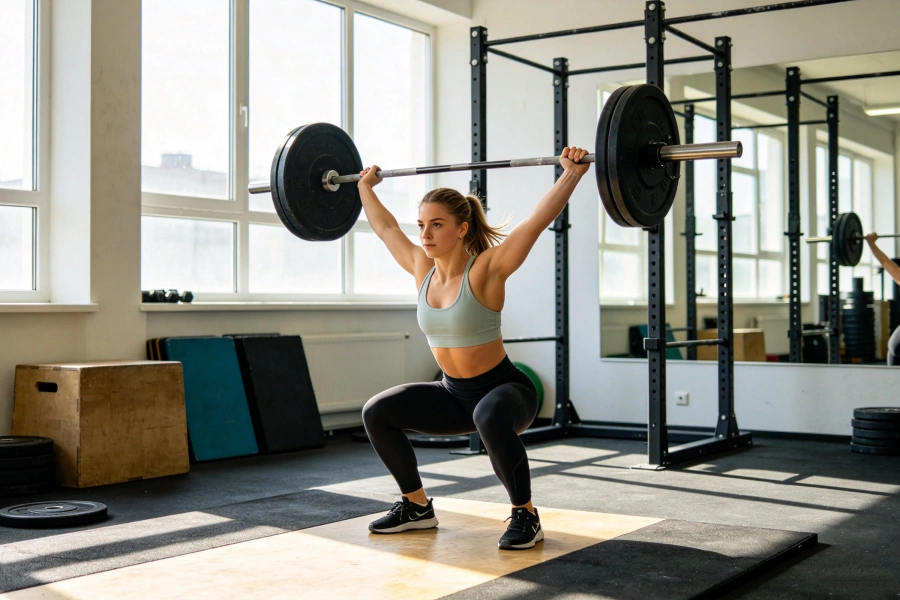
Two mechanisms do all the work here: compression and warmth. That’s it. Just physics applied to your joints.
Compression squeezes the skin and soft tissues around your knee, sharpening your body’s sense of joint position. Researchers call this proprioception. A systematic review found compression meaningfully improves joint position accuracy. Your brain gets clearer signals about where your knee is in space, especially under load.
Warmth works differently. Consistent heat keeps the tissue around your knee joint pliable, which reduces that cold, stiff feeling during warm-up sets. Clinical research on knee osteoarthritis links this warmth-plus-compression combo to better gait, balance, and reduced discomfort during movement.
One strength study found subjects hit heavier squats wearing neoprene knee sleeves for gym training: 166±24 kg with standard sleeves, 166±21 kg with tighter ones, versus 161±22 kg with no sleeve (p=0.003). That’s real weight on the bar.
But don’t assume weightlifting knee sleeves are rewiring your biomechanics. A separate study on back squats found sleeves didn’t improve frontal-plane knee stability or increase load capacity through mechanical change. The benefit is perceived stability, not measurable joint mechanics.
Who Actually Needs Weightlifting Knee Sleeves?
Not every lifter belongs on the weightlifting knee sleeve waitlist. Four groups make up the real market for this gear, and they rank in a specific order based on actual need.
1. Frequent squatters top the list. If back squats, front squats, or overhead squats show up on your program multiple times a week, you’re the primary use case. Repetitive knee flexion under load is what sleeves are built to support.
2. Lifters with mild knee discomfort come second. It’s about training through that nagging tightness at the bottom of a squat, the slight swelling after leg day, or the warm, achy feeling that shows up during recovery phases. Sleeves increase blood flow and retain heat around the joint, which takes the edge off without masking pain you should be addressing.
3. Heavy and high-frequency trainers rank third. Powerlifters and strength athletes hitting 80% 1RM or higher regularly are the second major group targeting knee support for powerlifting. Multiple lower-body sessions per week with compound lifts like squats, lunges, jerks, and snatches are where 7mm neoprene knee sleeves for gym training earn their reputation. The value here is stability, warmth, and comfort under repeated heavy loading.
4. Joint-conscious lifters round out the list. These are athletes who train consistently, care about long-term knee health, and want to maintain joint temperature in cold gyms or air-conditioned training spaces. Prevention is the goal.
Who Can Skip Weightlifting Knee Sleeves Entirely?
Beginners and light-to-moderate lifters top the list. If you’re still building your squat pattern, working on knee stability, or strengthening your core, sleeves aren’t your priority. Foundation work matters more than compression right now. Add sleeves later, once your training actually demands them.
Anyone with zero knee symptoms falls into the second group. No pain, no instability, no history of injury? Knee sleeves become optional gear. Wanting extra security isn’t the same as needing joint support during squats.
Lifters who squat cleanly without assistance round out the list. If your knees stay stable through full range of motion, and nothing feels off without a sleeve, you don’t need one. Comfortable, unassisted squats mean your joints are already doing their job.
When to See a Doctor Instead of Buying a Weightlifting Knee Sleeve?
Some symptoms need medical evaluation, not a sleeve. Persistent pain lasting weeks, sharp or recurring pain, swelling, redness, joint locking, or inability to bear weight—these aren’t compression problems. Knee sleeves aren’t a bandage for real injuries. If pain sticks around, check your training load and movement pattern first, not your gear bag.
Five Concrete Benefits of Wearing Knee Sleeves for Weightlifting
1. Warmth that speeds up your training. Cold knees feel stiff. Stiff knees move slower and squat shallower. Compression knee sleeves trap heat around the joint, so by the time you’re loading plates for your working sets, your knees are already primed, and you skip that first-rep sluggishness. This matters most during squats, front squats, and deadlifts, where a warm joint moves through range faster than a cold one.
2. Light joint support where you need it. The moderate compression from knee sleeves stabilizes the joint capsule and cuts down on that vague patella wobble you feel at the bottom of a heavy squat. Lifters who squat big or squat often report their knee tracking feels more locked-in with sleeves on. That’s real knee joint support during squats.
3. Less nagging discomfort, more focused reps. High-frequency leg days leave joints cranky. If you’re training through minor aches, compression knee sleeves take the edge off that dull discomfort, especially noticeable at the bottom of a deep squat or after your third heavy set in a row.
4. Faster-feeling recovery between sessions. Compression increases local blood flow, which helps manage swelling and that post-training puffiness around the joint. Lifters running high-volume leg blocks often notice less next-day heaviness in the knees, a subjective but meaningful difference when you’re back squatting again in 24–48 hours.
5. Sharper proprioception, stronger confidence under load. Compression heightens your brain’s awareness of exactly where your knee is in space. That clearer signal translates into more confidence when you’re chasing a PR or working through a technically shaky phase of your program. You feel your depth, trust your position, and commit to the rep without second-guessing.
The Limitations of Knee Sleeves for Weightlifting: What They Can’t Replace
A knee sleeve for weightlifting won’t fix bad squat mechanics. It won’t build the quad strength you skipped by rushing your program. And a weightlifting knee sleeve won’t guarantee you walk away injury-free.
What knee sleeves can’t replace:
Correct technique. Compression doesn’t correct knee valgus, poor bar path, or improper depth. Sleeves give feedback on form; you still have to fix it.
Progressive overload and structured programming. Strength comes from systematic training.
Injury prevention guarantees. Evidence on knee sleeve benefits and risks stays mixed. Severe injuries—ligament tears, meniscus damage—aren’t prevented by compression. There’s no strong, quantifiable data showing sleeves reduce injury rates.
Medical treatment. Persistent pain or joint damage needs a professional.
One study on experienced lifters found that wearing sleeves during squats produced no significant change in weight lifted, RPE, muscle activation, knee angle, or joint loading. The mechanical benefit is minimal.
Compare that to knee wraps, which reduce horizontal barbell displacement by 39% and boost mechanical output, but at the cost of altered squat mechanics and potential knee joint stress. Knee sleeves for weightlifting offer a stability feel. Wraps offer stability force. Different tools, different tradeoffs.
How to Choose the Right Weightlifting Knee Sleeve for You?
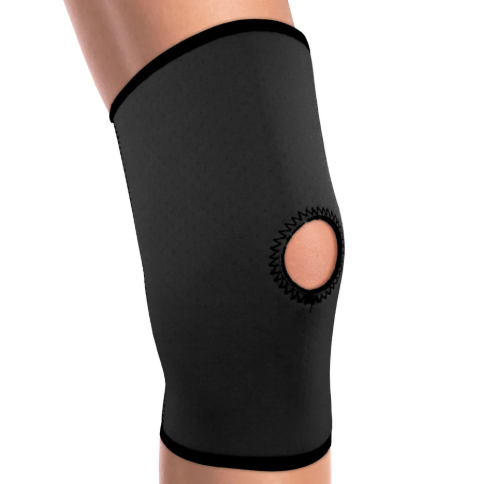
Thickness is the first fork in the road. A 7mm neoprene sleeve gives you the stiffest compression and the most warmth. That’s the choice for heavy squats, powerlifting, and anyone chasing a PR who needs real support out of the hole. A 5mm sleeve trades some of that rigidity for mobility. CrossFit athletes, Olympic lifters, and anyone doing high-rep leg work usually prefer 5mm because it breathes better and doesn’t fight your range of motion.
Match the knee sleeve for weightlifting to the lift:
Squats or max-effort lower body work: 7mm, priority on support
Deadlifts or mixed training days: 5mm, priority on freedom of movement
General gym use, hybrid programming: 5mm strikes the best balance
Cold gym, want maximum warmth: 7mm holds heat longer
Material matters less than people assume. Neoprene knee sleeves for gym training dominate the market for good reason—balanced compression, decent rebound, solid heat retention. Stick with neoprene unless you have a specific reason not to.
Sizing: Measure your knee circumference at the fixed point about 5cm above your kneecap, then check that number against the brand’s actual size chart. Some brands also want calf and thigh measurements to keep the sleeve from catching on a calf noticeably thicker than the knee.
If you land between two sizes, go smaller for maximum compression or bigger for comfort. A properly fitted 7mm sleeve should require real effort to pull on. If it slides up easily, it’s too loose and won’t do its job.
Conclusion
Weightlifting knee sleeves earn their place in your setup when you’re grinding through heavy squats, nursing an old knee injury, or pushing your joints under serious load week after week. That compression and warmth are a real benefit. If you’re lifting light or just getting started, save your money and focus on form first.
The real win comes from knowing why you’d wear one. Compression supports joint stability and blood flow, but it will never replace proper squat mechanics or strength progression. Think of it as backup.
If you fall into that “yes, I need these” category, don’t just grab the first pair you see. Check out our knee sleeve lineup built specifically for squats and powerlifting. Your knees will thank you for the extra ten seconds of research.