
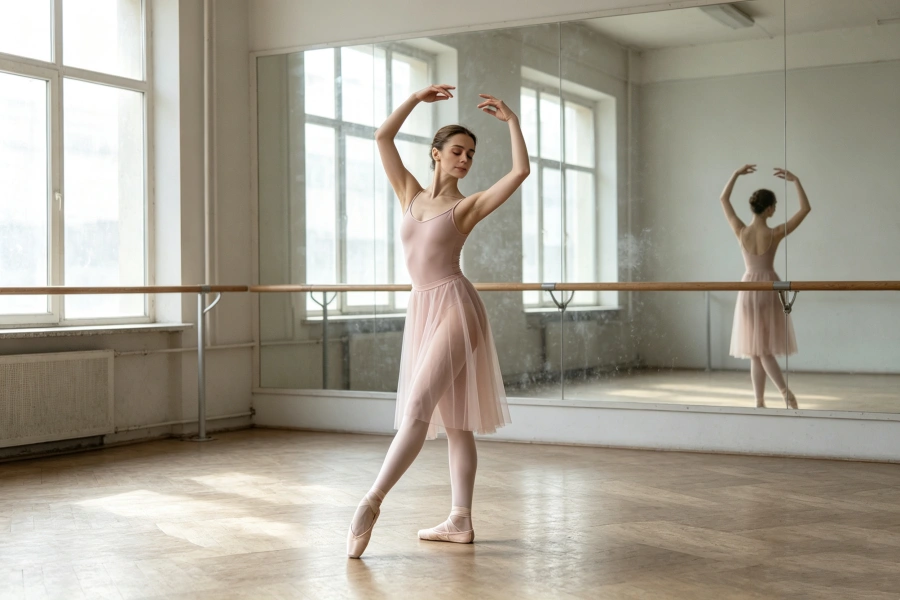
Sliding into a floor spin only to feel your kneecap grind against hardwood sidelines dancers for weeks. Whether you’re grinding through breakdance knee pad sessions on concrete or working contemporary dance knee pad routines that demand deep floor contact, the right protection changes how confidently you move.
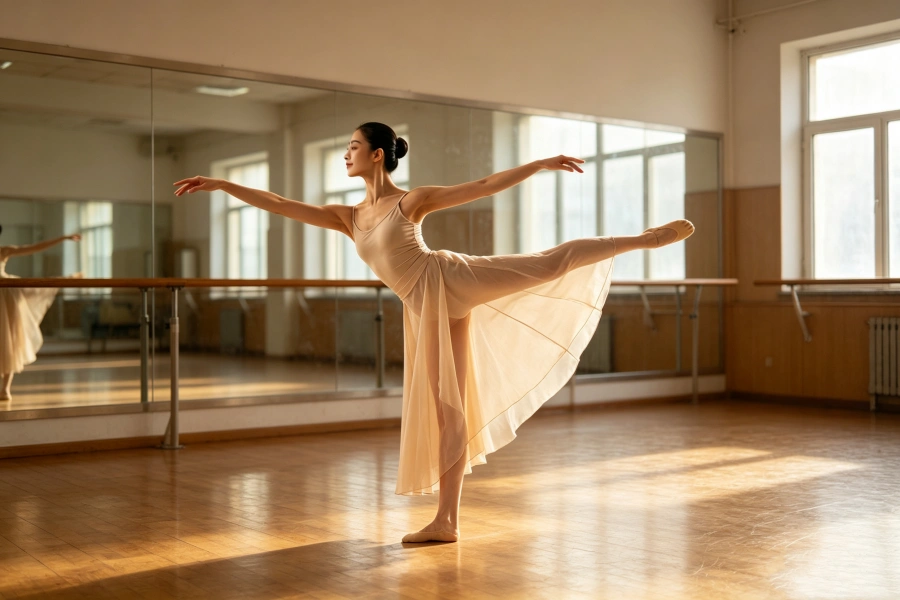
We put seven of the most popular dance knee pads through actual studio conditions: sliding tests, sweat sessions, and hours of repeated kneeling to see which ones actually hold up. Some disappeared under leggings. Others bunched up mid-spin or turned into sweat traps within twenty minutes. A few genuinely surprised us.
This breakdown skips the marketing fluff and gets into what matters—thickness that doesn’t sacrifice mobility, grip that stays put, and materials that won’t leave you itching mid-performance. By the end, you’ll know exactly which pair fits your training style, budget, and floor.
Capezio Gel Knee Pads: Best Overall Pick
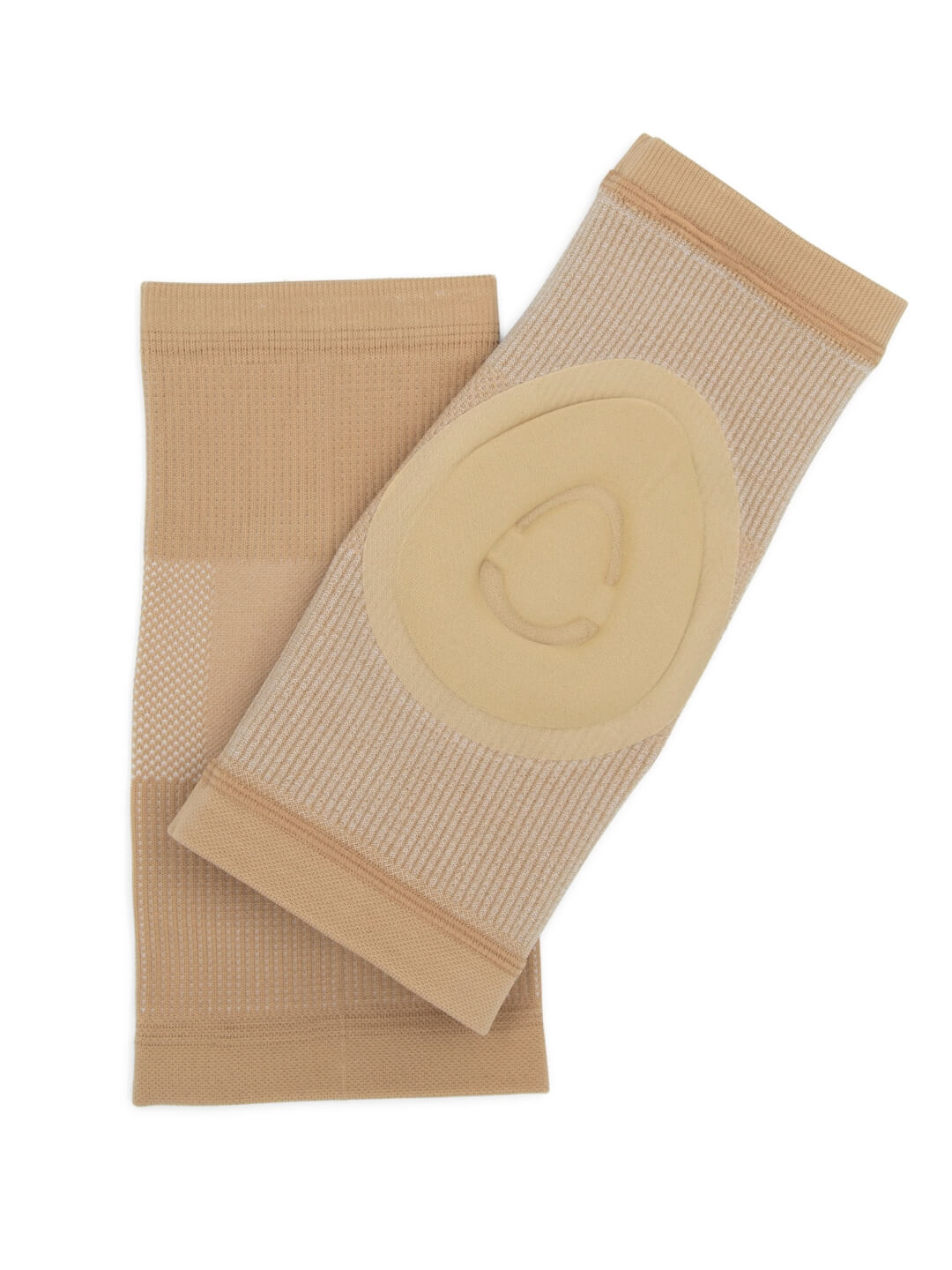
Most knee pads marketed to dancers are repurposed sports gear that happens to fit a knee. Capezio Gel Knee Pads are built from the ground up for dance floors, and that difference shows up the moment you pull them on.
The construction pairs a bamboo-knit fabric with a contoured TPE gel insert—some retailers list it as Bamboo/Spandex/Gel, others as Nylon/Lycra/Spandex + TPE gel, but the gel core is the constant. That gel is what makes these some of the best thin knee pads for dance on the market right now. You get real pressure relief on hard floor contact without the thick, bulky feel of traditional knee protection.
Sizing runs Small (11¼” × 4″) and Large (11¼” × 4½”), sold as a pull-on pair. No straps, no Velcro—slide them on and go. That’s convenient, but it also means fit matters more than usual. Get the sizing wrong, and you’ll deal with slipping or an uncomfortably tight compression feel.
In testing, the pads were nearly invisible under performance wear—skin-tone options make them disappear on stage. They’re machine washable, which matters if you’re training daily. And according to both our testing and dancer reviews, there’s no bunching or rolling during spins and slides.
Target lists these at 4.5/5 stars across roughly 22-23 reviews—solid, verified feedback. Pricing typically runs $40-47, with occasional promos dropping to $27.99.
If you need knee protection for dancers doing floor work, kneeling sequences, or contemporary dance knee pads for rehearsal—these deliver. If you’re doing high-impact breaking and need serious cushioning, look at thicker options instead.
Skating Spirit Gel Knee Pads: Patella Protection-Specific Recommendation
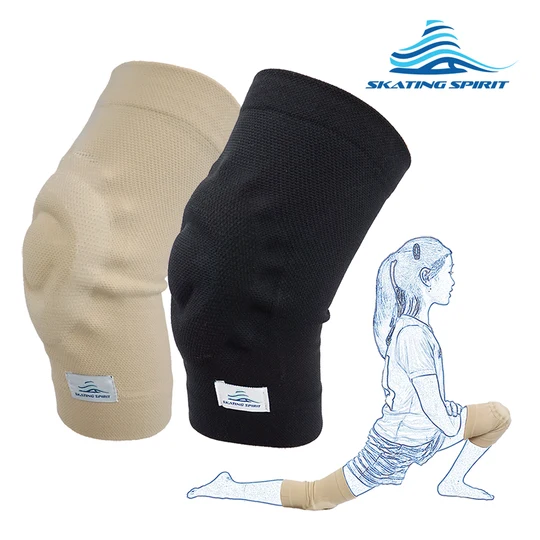
Under 6 ounces. That’s all Skating Spirit’s knee pads weigh, and it’s the first thing you notice when you pull them out of the package.
The design goes after one thing: kneecap impact. Instead of padding the whole knee evenly, Skating Spirit puts a contoured gel pad with a patella cushion dead-center, surrounded by a ring of outer padding for support. Point-specific protection, not general coverage. The trapezium-shaped cut hugs the joint tighter than boxier designs, which explains why testers found these easier to get on and off than bulkier options.
Silicone grip lining runs along the cuffs to stop slippage during slides and spins—a common failure point cheaper gel knee pads from dance brands skip entirely. Inside, a low-friction fabric layer sits against your skin, so you can wear them all day without chafing.
Skating Spirit markets these to dancers, figure skaters, and gymnasts—anyone doing repeated kneeling or deep knee bends. If breakdance sessions have you sliding into floor spins constantly, this patella-first structure protects where impact hits hardest. The tradeoff: side coverage is thinner than round-knee designs offer, so lateral impacts get less cushioning than direct kneecap hits.
Queen Wear Sleek Black Grip: Pole Dance / Grip-focus Knee Pads
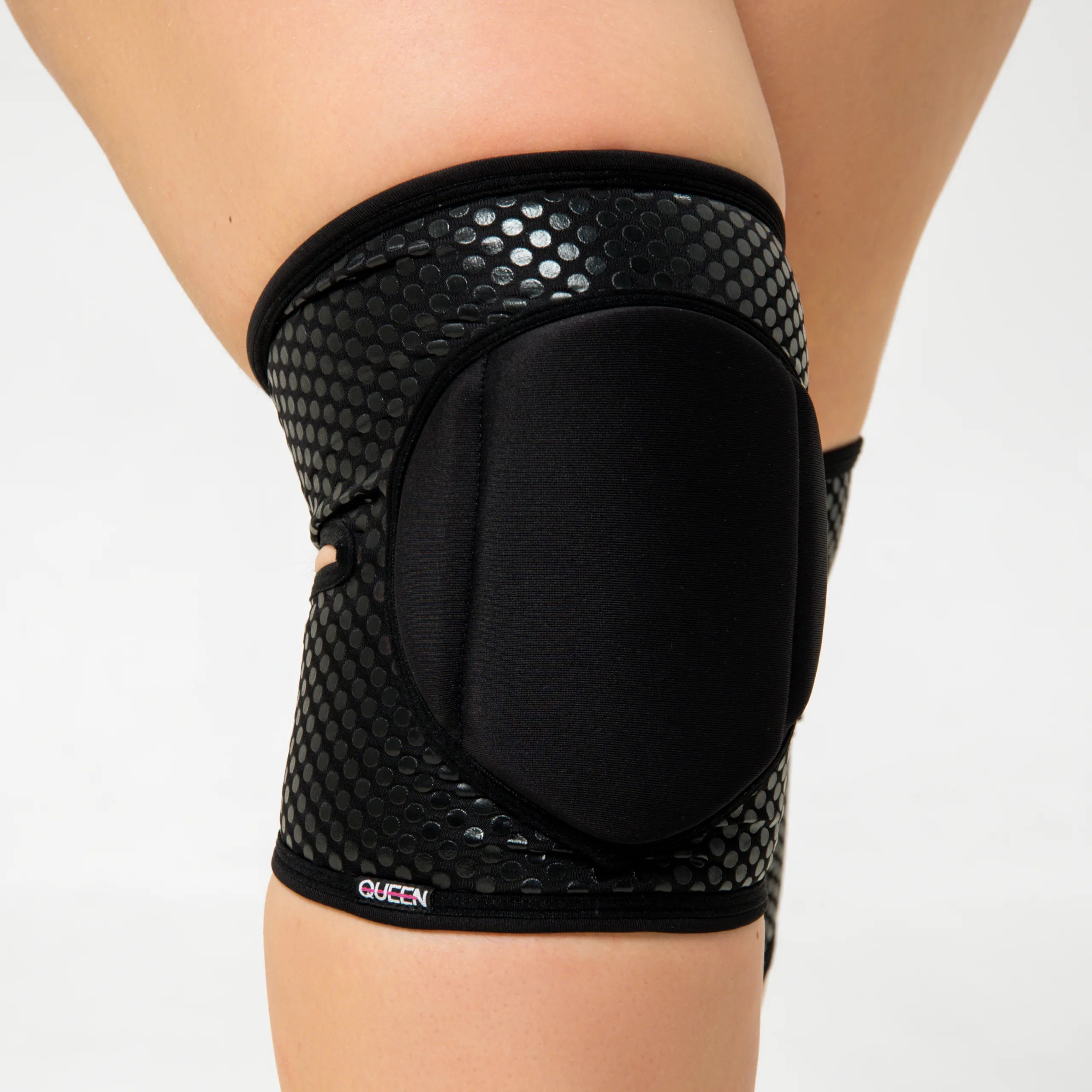
Pole dancers have a problem that contemporary or hip hop dance knee pads never solve: you need grip on the pole but freedom on the floor. Queen Wear Sleek Black Grip is for that split requirement.
The silicone coating grabs the pole surface hard but still lets floor movement stay smooth and unrestricted. That combination matters for choreography that shifts between locked pole holds and fluid floorwork transitions—those sequences where generic knee protection tends to slide or drag.
What’s inside:
– Fabric: 80% polyamide, 20% elastane
– Padding: 100% soft polyethylene foam
– Weight: 0.135–0.155 kg depending on version
– Sizing: XS through XXL
It’s officially rated for pole dance, choreography, strip dance, stretching, twerk, and yoga—so this isn’t a narrow-use product. The all-black design keeps things low-profile, which works well for training sessions and performances where you want your gear disappearing into dark costuming rather than standing out.
Community feedback consistently points to three things: interchangeable padding that extends usable life, reinforced stitching, and pads that stay locked in place through repeated pole work. Made in Ukraine, machine washable at 30°C.
Pricing sits around $46–$47. If you want a more protective sibling, Queen Wear’s SLEEK PRO 4 – Black ($42) adds 4SideProtect coverage for dancers who need extra structure over pure grip.
Rawxy Volleyball Pad: Budget Choice
Twenty bucks shouldn’t buy you real protection. Rawxy proves that math wrong.
The “Rawxy Volleyball Knee Pads with High Protective Low-Profile Anti-Slip Soft Padding” is built as volleyball gear first. But the product page lists Dance right alongside Weight Lifting and Running as intended use. The dual-layer Thailand NBR cushion backs that up. Third-party testing flags it as CE-certified and abrasion-tested, a combination rare at this price tier. That certification covers impact and wear resistance, not flexibility or side-cushioning. Treat it as partial evidence of dance-readiness.
The specs:
– Fabric: bamboo nylon knit + Extreme Armour Foam
– Sizing: M-L (11–18″ thigh) / XL (18″+)
– Weight: 8.47 ounces per pair
– Closure: pull-on
Pricing lands around €30—squarely inside the $20-40 range most volleyball pads occupy. That makes it a genuine budget pick for dancers who train occasionally, not daily.
Best for youth dancers, casual hip hop dance knee pad users, and anyone testing whether floor work needs protection before investing more. Skip it if you’re doing heavy breakdance knee pad sessions on concrete. This leans basic-to-moderate, not competition-grade.
Tatiana Active Knee Pads: High-Frequency Training/Community Recommended

“World’s first technical dance & pole knee pad” is a bold claim. Tatiana backs it with engineering most competitors skip.
The core tech is D3O® impact-absorbing padding, the same material used in ski gear and motorcycle armor. It stays soft and flexible during normal movement, then hardens on impact before softening again. On top of that sits a SuperFabric® outer shell built to resist cuts, abrasion, and fraying through repeated floorwork sessions. This is what compression knee sleeves for dance wish they had.
Structural breakdown:
– D3O® padding core
– SuperFabric® abrasion-resistant shell
– Nylon-elastane sleeve
– Inner silicone strip for grip
– Back opening for pole contact
– Extended shin bone coverage
Dance forums consistently call these “the only ones that use impact foam” and flag them as “worth it”—language that shows up among instructors and experienced students, not just casual buyers.
For sensitive knees or high-impact tricks like kips and flips, Tatiana sells Boost+ Protection padding (£24) that inserts over the standard layer, with the softer side toward the skin.
Sizing runs by thigh circumference, measured 6cm above the kneecap:
– XS: 34-39cm
– S: 40-45cm
– M: 46-51cm
– L: 52-57cm
Expect a tight first-week fit. The material stretches slightly with wear, so snug sizing works best long-term. Pricing sits at AUD 130-138 direct, or £86 through UK retailers. Pair these with compression tights or fitted leggings to keep the sleeve locked during spins and drops.
AOFIT Dance Knee Pads
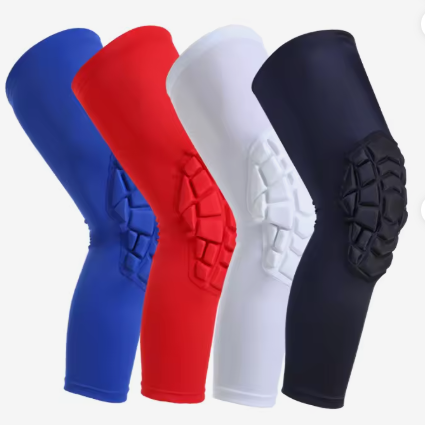
The Honeycomb EVA Padded Knee Sleeve uses 10mm high-density EVA foam in an independent hexagonal cell structure that scatters impact force across landings and kneeling drops. The AOFIT Strap Knee Pads run 200cm × 8cm, one-size, with adjustable compression bands and a patella-support structure that reduces that unstable, shifting feeling mid-spin. Silicone lining keeps everything locked against the skin instead of sliding.
Pricing sits at $19.99–$34.99, mid-tier territory. Cheaper than medical-grade hinged braces, pricier than basic soft dance pads. No published lab testing exists yet, so the choice comes down to material specs and construction.
Bee’s Knees Knee Pads: Pole Dance Knee Pads for All Dancers
A pole dancer designed these, and it shows in every detail. Sara Bryant, working out of a home office in Rhode Island, built Bee’s Knees to solve a problem she lived with daily—generic knee protection for dancers just wasn’t cutting it on pole floors. The brand markets these as “the sleek and sexy pole dance knee pad that straps on and strips off,” and that phrase captures the design philosophy well.
What sets these apart:
– Hook-and-loop straps with an open-back design for fast on/off transitions
– Removable pad inserts in two firmness levels (some older reviews mention a third)
– Standard 9mm inserts included, plus a free washing bag
– Soft Lycra binding that stays comfortable against skin
Sizing runs six options—S through 3XL, covering 14″ to 28.5″ thigh measurements. You can get strap extenders to fine-tune the fit further.
One third-party review calls these the thickest and most supportive padding among tested pole kneepads. At $48.00, you’re paying a premium. But for dancers who want floorwork durability, that thickness earns its price.
How To Choose Knee Pads Based On Your Dance Style?
Breakdance and floor work: grip comes first, impact protection second, fit stability third. You’re kneeling, sliding, and flipping, so slippage matters more than raw cushioning. Look for silicone grip zones on the inner or back knee, open-back construction, and gel or foam cores that absorb impact without shifting. If your routine involves heavy floor contact, thicker EVA or NBR padding pays off. Decathlon’s dance-specific gel pads carry EN15613 impact certification built for this use case.
Contemporary and jazz flip that priority. Flexibility matters more than cushioning here. Thin knee pads for dance (typically around 5mm gel) work best because they stay nearly invisible under leggings while still cushioning kneels and slides. Open or ventilated back-knee cuts prevent overheating during long rehearsals. If your choreography leans on floor rolls and kneeling, pair thin gel with an elastic sleeve. If it’s turns and controlled leg work, go as low-profile as possible so the pad doesn’t distort your leg line.
Pole dance knee pads live or die on grip and fit security. You need high-friction silicone coating so pads don’t slide during climbs or leg hangs, plus an open-back cut that preserves skin-to-pole contact for grip. A compression cuff at the top keeps the pad from rolling down mid-routine.
Larger thighs create a different problem entirely—tightness at the top, rolled edges, constant readjusting. Skip standard S/M/L sizing and look for brands publishing actual thigh circumference charts instead. If the top edge rolls during a fitting, size up.
Breakdance → silicone grip + thicker gel/EVA
Contemporary/Jazz → thin, breathable, open-back
Pole Dance → open-back grip + secure compression cuff
Larger thighs → thigh-circumference sizing + open-back design
Protection vs. Flexibility at a Glance
For high flexibility and moderate protection, start with thin sleeves and lightweight EVA. They work well for jazz and contemporary dance knee pads.
~12mm foam or gel builds hit a balanced middle ground, covering most general training.
Thick sponge, dual-layer NBR, and custom molds give high protection with lower flexibility. They’re built for breakdance knee pads and heavy floor work.
Conclusion
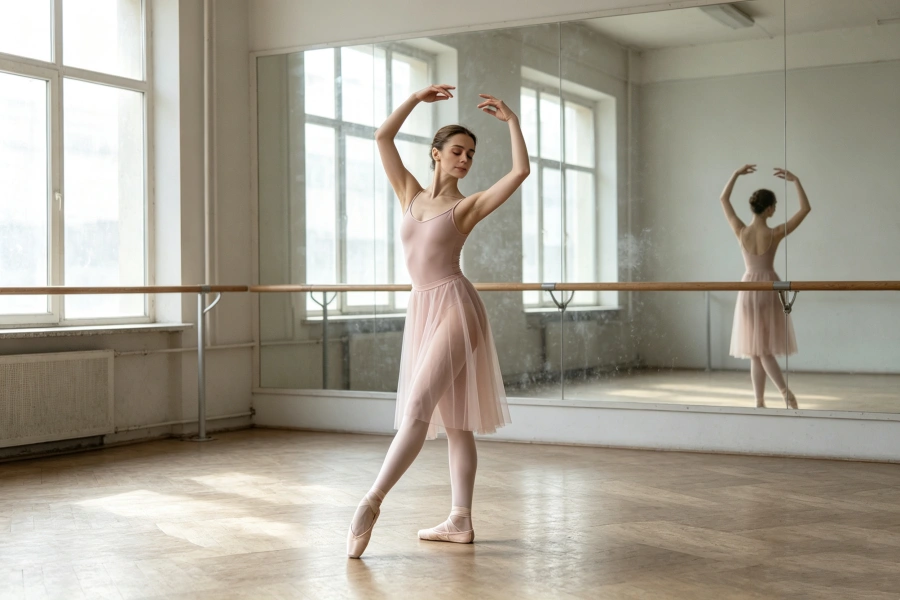
Your knees will tell you if you picked the right gear—that’s why we put these eight pairs through real floor work, not just a spec sheet comparison. There’s no single “best” pick, only the best fit for your practice. Breakdancers sliding and spinning need thicker, shock-absorbing padding; contemporary and jazz dancers want thin knee pads that vanish under costumes; pole and hip hop artists need grip that won’t budge mid-routine.
Match thickness, material, and fit to your specific movement demands. Guesswork leads to slipping pads or skipped rehearsals.
Grab the pair that matches your style from the list above, break them in during a low-stakes practice session, and give your knees the protection they’ve been asking for.