
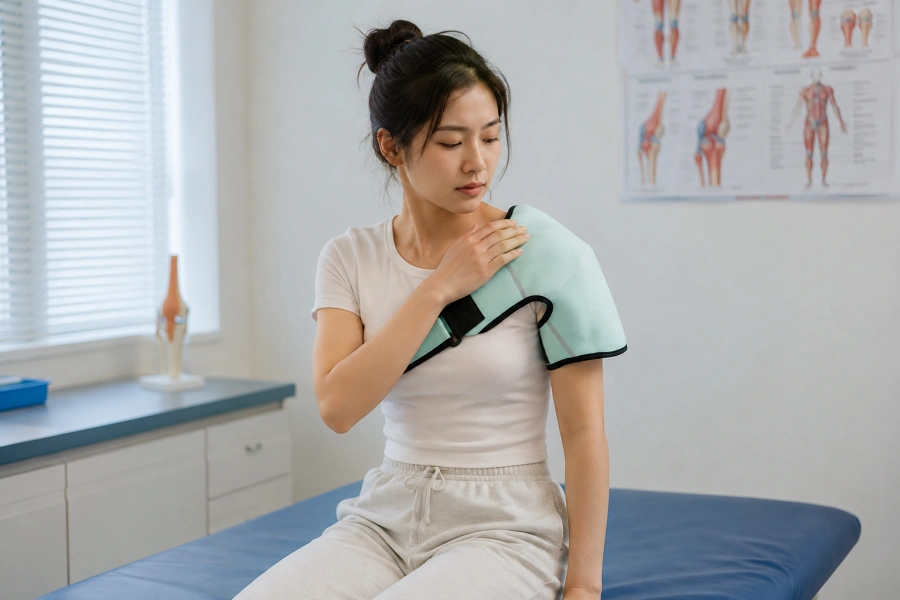
That sharp, nagging ache strikes every time you reach overhead. A rotator cuff injury whether from a partial tear, chronic tendinitis, or post surgery recovery makes even simple movements painful. Finding the right shoulder brace often feels as difficult as the injury itself. The market is full of confusing options, and the wrong choice can set your recovery back by weeks.
That is why we tested and ranked the eight best shoulder brace for rotator cuff injury of 2026. Our list covers everything from lightweight compression sleeves for active athletes to medical-grade immobilizers for serious post operative rehabilitation. No more guesswork. Just a clear path to healing.
What Is A Rotator Cuff Injury? (Symptoms, Types & Causes)

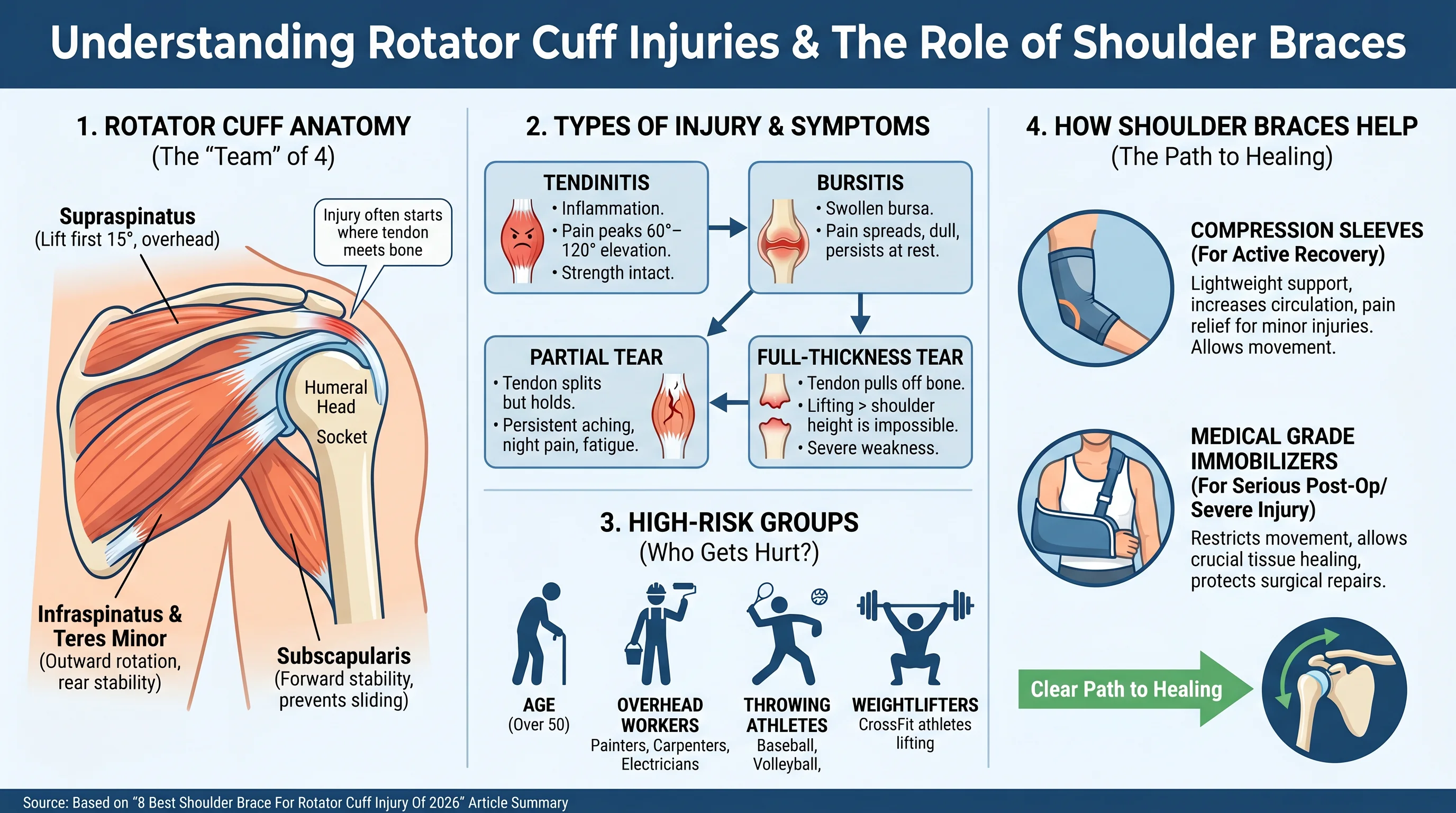
The rotator cuff is the team of muscles and tendons behind every overhead reach, every throw, every time you lift your arm. The supraspinatus drives that first critical 15° of lift. The infraspinatus and teres minor control outward rotation and rear stability. The subscapularis holds the front in place — it stops your humeral head from sliding forward. All four compress the ball of your shoulder into its shallow socket, keeping everything stable under load.
Most injuries don’t start in the muscle. They start where the tendon meets the bone.
The 4 Types You Need To Know
- Rotator cuff tendinitis is where it begins — inflammation and early tissue breakdown, most often in the supraspinatus. The classic sign: pain peaks between 60°–120° of elevation, then backs off past 120°. Strength stays largely intact.
- Subacromial bursitis tends to show up alongside tendinitis. The bursa gets inflamed and swells. Pain spreads, turns dull, and sticks around even during passive movement.
- Partial tears cut deeper. The tendon splits partway through but holds on. You’ll feel persistent aching, night pain running down the outer arm, fatigue under resistance, and occasional clicking.
- Full-thickness tears are a different situation. The tendon pulls away from bone. Lifting your arm above shoulder height becomes close to impossible. Weakness hits fast and hard — particularly on outward rotation against resistance. Younger patients with acute traumatic tears need surgical evaluation fast.
Who Gets Hurt And Why?
The following groups face the highest risk of rotator cuff injury:
- Age (over 50) – The primary driver.
- Overhead workers – Painters, carpenters, electricians.
- Throwing athletes – Baseball pitchers, volleyball players, tennis players.
- Weightlifters and CrossFit athletes
- Swimmers – Butterfly and freestyle specialists.
Genetics, smoking, and metabolic conditions add further risk by gradually impairing tendon blood flow and collagen quality, often long before any single injury occurs.
Do Shoulder Braces Help Rotator Cuff Injuries?
The short answer is yes — but only within specific limits.
Clinical research confirms that shoulder braces reduce pain and protect healing tissue during the acute and post-operative phases. But here’s the hard truth: by 3–6 months, shoulder braces did not reduce re-tear rates or improve long-term outcomes.
What shoulder braces do well:
- Control pain during the acute phase
- Block accidental overhead motion that could extend a tear
- Support rehab compliance in the early stages
What shoulder braces cannot do:
- Heal a full-thickness tear on their own
- Replace structured physical therapy
- Prevent muscle atrophy if you wear one too long
Best Shoulder Brace For Sports (Basketball / Tennis / Baseball / Volleyball): AOFIT Sports Shoulder Brace
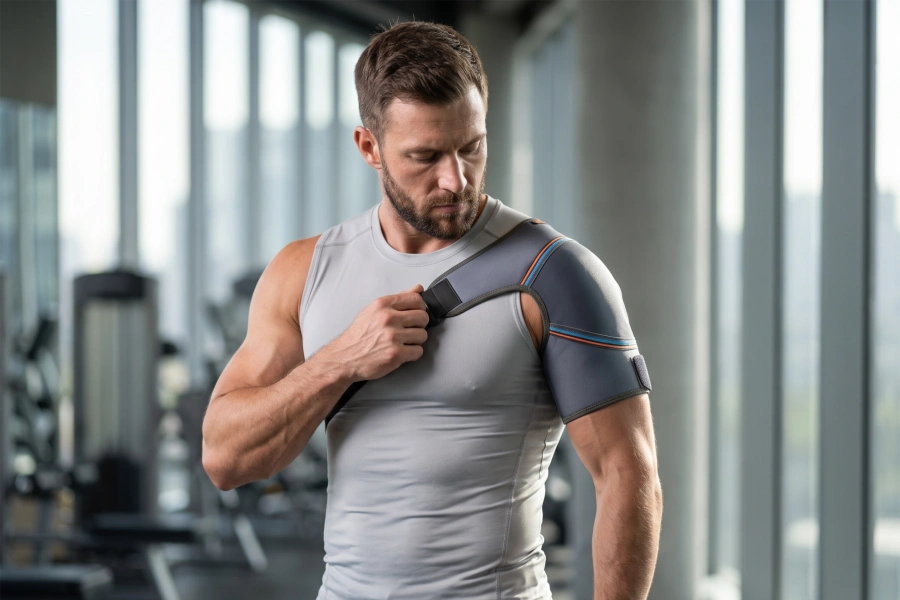
Basketball pull-ups, volleyball kills, baseball wind-ups, tennis serves — each of these movements hits your rotator cuff hard and fast. A standard rotator cuff compression sleeve locks you down. This shoulder stabilizer support keeps you in the game.
What makes the AOFIT Sports Shoulder Brace built for sport:
- 3–5 mm neoprene construction with 15–25 mmHg compression — firm enough to support the shoulder joint through a full overhead range of motion
- Single-shoulder design — no cross-strap cutting into your opposite arm’s swing or follow-through
- 360° silicone anti-slip strips on both chest and upper arm bands — stays locked in place through hard cuts, jump stops, and spike landings
- Perforated ventilation zones at the underarm and back of the shoulder — moisture-wicking fabric pulls sweat away fast, even during intense play
Best Post-Surgery Shoulder Immobilizer / Abduction Brace: AOFIT Medical Shoulder Brace
Rotator cuff surgery is the beginning, not the end. The six weeks after surgery determine how well you heal. This is where most braces fall short. A standard sling holds your arm. A proper post-surgery shoulder immobilizer holds your repair. Those are two very different things.
What this brace does that others can’t:
- Fixes your arm at 15–30° abduction
- Holds 90° elbow flexion with your wrist sitting 1–3 cm above the elbow — a small detail that cuts hand swelling during weeks of continuous wear
- Features built-in posterior scapular support stop the humeral head from shifting backward while you rest in a recliner
The 4–6 week reality:
This brace is built for 20+ hours of daily wear over a full recovery window. Wide padded straps spread the load across your neck and shoulders. Moisture-wicking contact points keep skin dry and reduce breakdown. The quick-release front buckle lets you put it on and take it off with one hand.
Best for: Post-op rotator cuff repair (large tears, multi-tendon, subscapularis involvement), shoulder brace with arm sling functionality, weeks 1–6 recovery protocol.
Best Overall Rotator Cuff Shoulder Brace: Anaconda Shoulder Brace
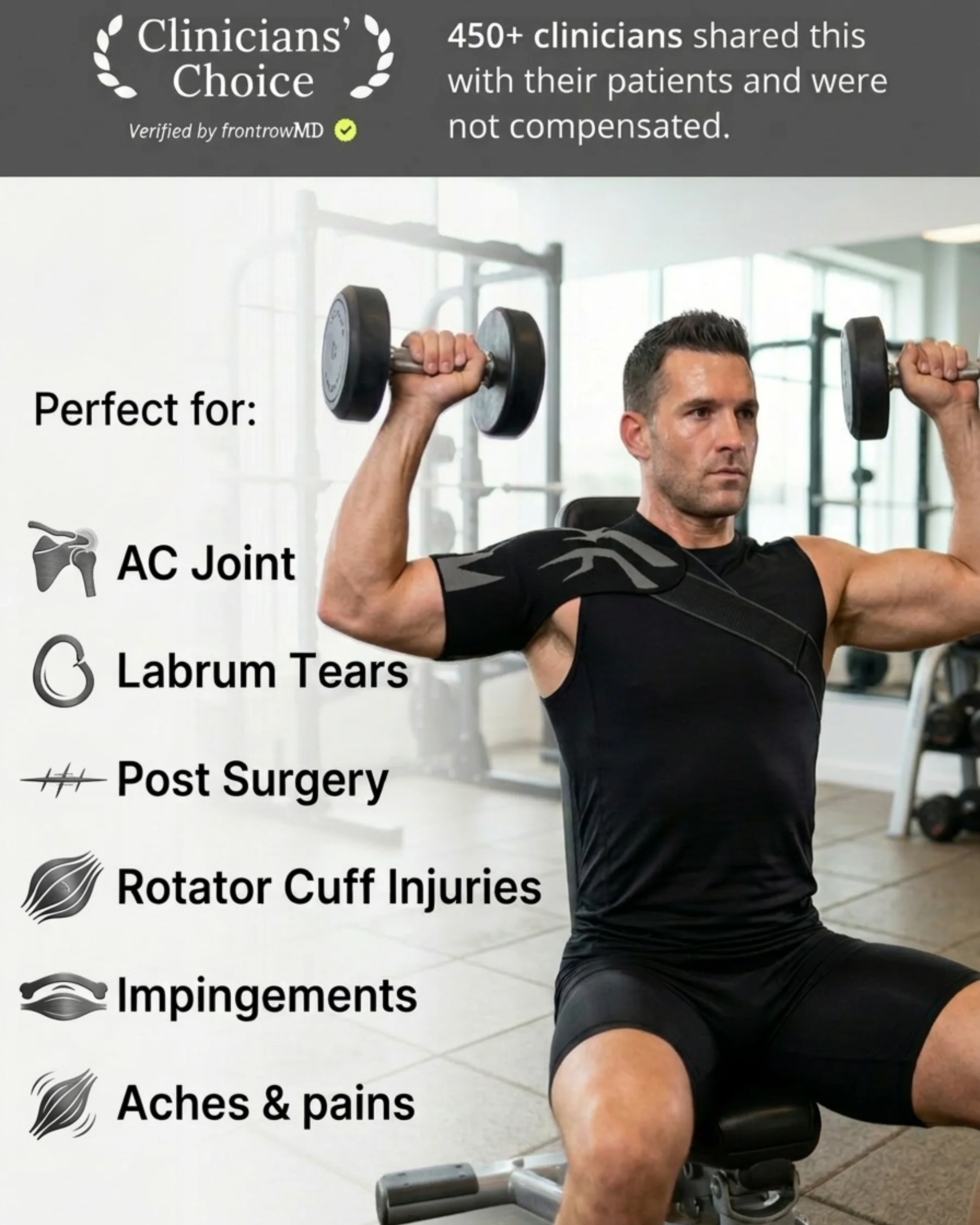
The Anaconda Shoulder Brace earns “best overall” for one clear reason. It solves the real problem most rotator cuff sufferers face — you still have a life to live while you heal. Work. Driving. Cooking. Typing. This orthopedic shoulder brace handles it all without locking your arm down like a cast.
What makes it work:
– Dual cross-elastic strap design delivers medium-to-high compression with adjustable tension
– Breathable mesh fabric — far less heat buildup than neoprene wraps during long wear
– Universal left/right fit
– Users report pain dropping from 8/10 to 3–5/10 during overhead movement
Not the right fit for: post-surgical complete tears that need strict abduction bracing, acute dislocations, or worsening nerve symptoms. For those cases, a rigid immobilizer is non-negotiable.
Best Shoulder Brace For Torn Rotator Cuff (Moderate–Severe): DonJoy Sully Shoulder Brace
1. Brief Introduction
A Grade II or III rotator cuff tear cannot be managed with a standard compression sleeve. This brace is designed for moderate to severe tears where gentle pressure is insufficient. It provides mechanical control to prevent tear expansion, reduce pain, and support healing during conservative treatment or while waiting for surgery.
2. How It Works
The DonJoy Sully uses semi rigid support panels that block two specific movements harmful to healing tissue: abduction beyond 30–45 degrees and external rotation beyond 20 degrees. Unlike a basic neoprene wrap or compression sleeve, this structured immobilizer enforces these limits. During the acute phase, it keeps the arm at a fixed abduction of 15–30 degrees for over 20 hours per day, allowing safe pendulum exercises and guided passive flexion under therapist supervision.
3. Indications
This brace is best for patients with Grade II or III rotator cuff tears. It is indicated for conservative treatment, pre-surgical stabilization, and serious rotator cuff pain relief between diagnosis and procedure.
Best Compression Shoulder Support For Rotator Cuff Tendinitis & Impingement: Fightech Shoulder Brace
The Fightech Shoulder Brace is built for tendinitis. It delivers 15–25 mmHg targeted compression across the deltoid and subacromial zone. That’s the clinical sweet spot. It sharpens your body’s sense of joint position and cuts passive joint angle error by up to 40%. You make fewer wrong movements. You get fewer impingement episodes.
What sets it apart from tendinitis:
- Cross-strap scapular design pushes the shoulder blade 5–10° backward. This reduces subacromial narrowing right at the source.
- Resistance builds past 60–70° abduction. This steers your arm away from the classic painful arc before pain kicks in.
- A perforated inner lining cuts skin surface humidity by 10–20% during long wear. That matters a lot for all-day office use.
Best for: chronic rotator cuff tendinitis, desk workers, light physical labor, and anyone who needs a rotator cuff compression sleeve that works alongside rehab exercises.
Limitation: Not structured enough for Grade II+ tears that need strict abduction control.
Best Rotator Cuff Brace For Sleeping / Night Support: BraceAbility Rotator Cuff Sleep Brace
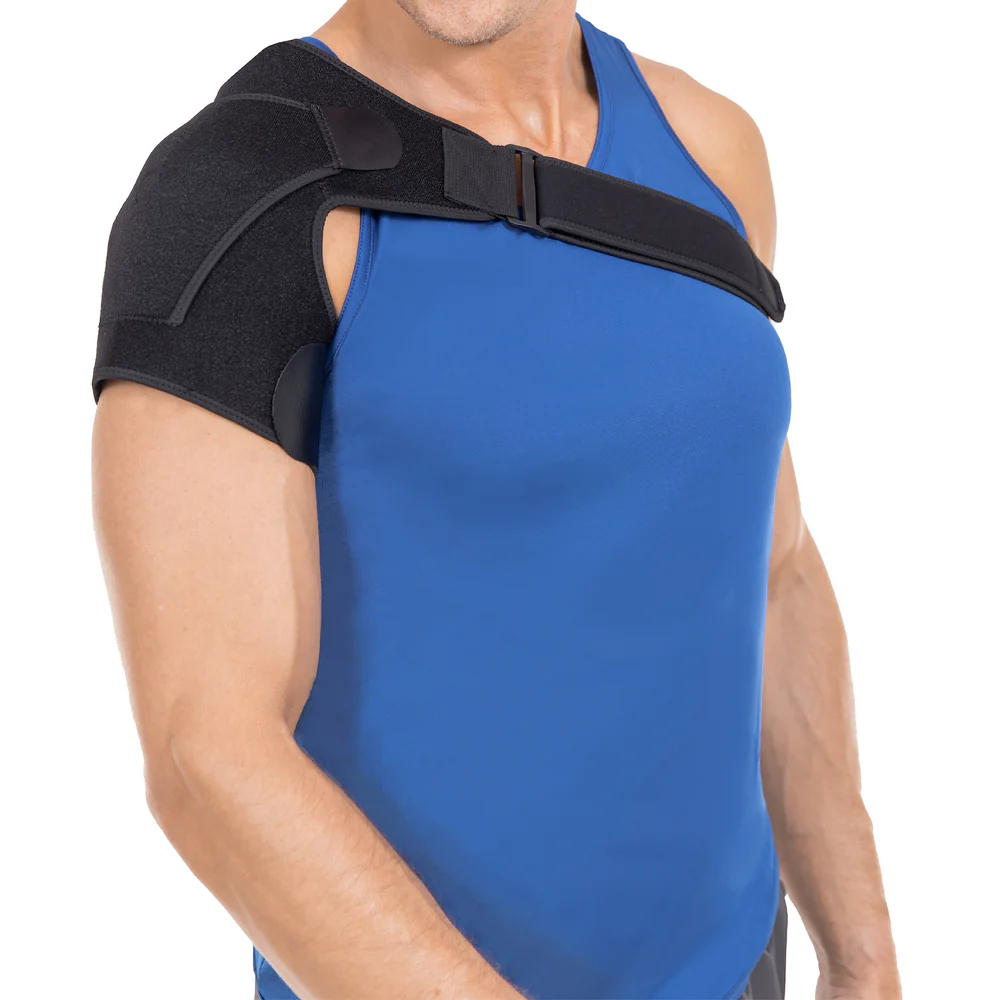
Night pain is one of the cruelest features of rotator cuff injury. Your body rolls without warning. Your arm drifts overhead. You don’t feel it happening. By the time the pain wakes you, the damage is done. Daytime braces aren’t built for this. You need something made for sleep.
What makes a true night brace different:
- Weight under 250 g — this category stays light, so you actually rest
- Torso-anchored cross-strap — holds your upper arm within 0–20° abduction and external rotation. This stops your arm from drifting overhead at night, which is the move that tears healing tissue apart
- Lateral shoulder padding — spreads bed pressure away from the top of your shoulder during side-lying, so you’re not grinding the damaged area into the mattress
- Front-accessible Velcro tabs — you adjust these with one hand, half-asleep, in under 15 seconds
- Latex-free breathable neoprene with a soft brushed inner lining — wear it 6–8 hours straight without skin irritation
Best for: Night pain sufferers, partial tear conservative treatment, and post-op patients cleared for soft nighttime support in the early recovery phase.
Best Budget Rotator Cuff Injury Brace (Under $30): Copper Joe Adjustable Shoulder Brace
The Copper Joe Adjustable Shoulder Brace is $24.99 on Target. That price gets you reliable light compression, an adjustable fit, and all-day wearability. No premium price tag required.
What you get for under $30:
- Adjustable strap design — fits a wide range of body types, no sizing guesswork
- Light-to-medium compression aimed at the deltoid and shoulder joint
- Universal left/right compatibility — works on either shoulder
- Comfortable enough to wear through a full workday
Know the limits before you buy. This is a support aid, not a medical immobilizer. It works well for mild rotator cuff discomfort, tendinitis flare-ups, and protection during normal daily activities. It is not built for post-surgical repairs, severe tears, or acute dislocations.
Best Premium Medical-Grade Shoulder Brace For Rotator Cuff: Bauerfeind Shoulder Support
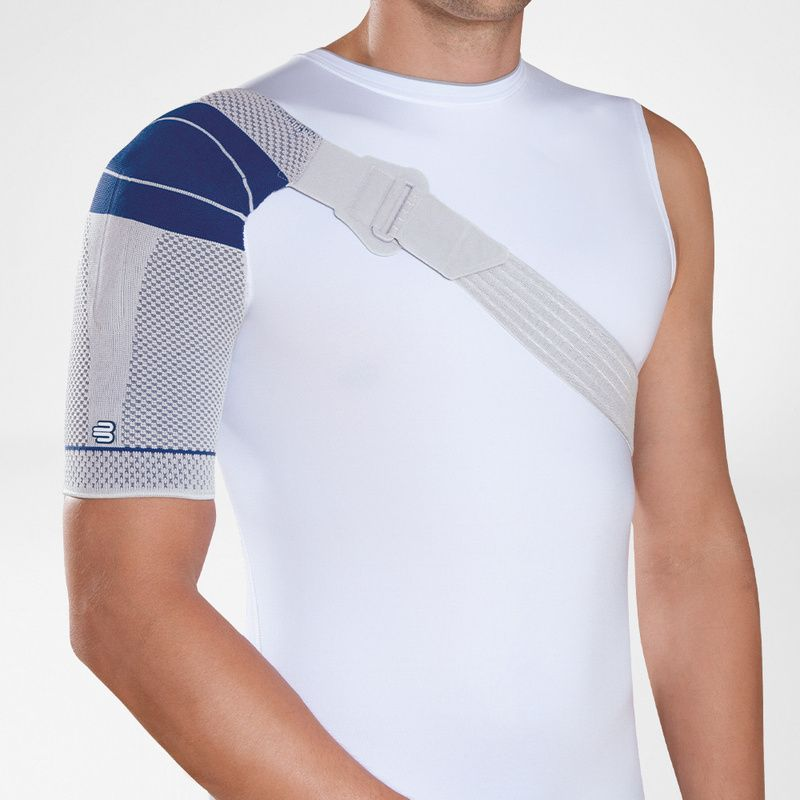
This is the top pick for rotator cuff sufferers who’ve already tried budget options and felt the gap. Generic sleeves give you bulk and basic compression. Bauerfeind Shoulder Brace gives you anatomical knit construction that shapes to your shoulder’s actual form. It guides movement. It stabilizes the joint. It does both without locking your upper body into a rigid cage.
What justifies the premium price:
- Breathable, lightweight knit fabric — built for all-day wear, not just short rehab sessions
- Controlled-motion support — limits harmful movement ranges without cutting out functional mobility
- Anatomy-matched fit — follows your shoulder’s natural contour, not a one-size-fits-all shape forced onto a personal joint
Best for: Buyers with a higher budget who want all-day comfort, breathability, and a precise fit during rotator cuff pain relief and conservative treatment.
Quick Comparison Table: 8 Best Rotator Cuff Shoulder Braces At A Glance
| Brace Name | Type | Support Level | Best Scene | Price | Universal Fit? |
|---|---|---|---|---|---|
| DonJoy Sully Shoulder Brace | Semi-rigid Immobilizer | High (moderate–severe tear) | Conservative treatment, pre‑surgical stabilization | $80+ | No (left/right specific) |
| AOFIT Sports Shoulder Brace | Sports Support | Medium (15–25 mmHg compression) | Basketball, tennis, baseball, volleyball | under $30 | No (single‑shoulder, choose side) |
| AOFIT Medical Shoulder Brace | Post‑op Abduction Brace | High (rigid abduction fixation) | Rotator cuff repair recovery (weeks 1–6) | $30–60 | No (left/right specific) |
| Anaconda Shoulder Brace | Daily Activity Brace | Medium‑high (dual cross‑elastic) | Work, driving, cooking, typing during healing | $30–60 | Yes (universal left/right) |
| Fightech Shoulder Brace | Compression Support | Medium (15–25 mmHg targeted) | Tendinitis, impingement, office workers | under $30 | No (scapular cross‑strap design) |
| BraceAbility Rotator Cuff Sleep Brace | Night Support | Light (under 250 g) | Night pain, partial tear, early post‑op sleep | $30–60 | No (side‑specific typical) |
| Copper Joe Adjustable Shoulder Brace | Adjustable Support | Light‑to‑medium | Mild discomfort, tendinitis flare‑ups, daily protection | $24.99 | Yes (universal left/right) |
| Bauerfeind Shoulder Support | Anatomical Knit Support | Medium‑high (controlled motion) | All‑day conservative treatment, premium comfort | $80+ | No (anatomy‑matched, left/right specific) |
Buying Guide: How To Choose The Best Shoulder Brace For Rotator Cuff Injury?
Match Your Injury To The Right Brace Type
- Mild tendinitis or overuse strain? A compression sleeve is your go-to. It uses elastic fabric and adjustable Velcro. The pressure is light to medium. That’s enough to calm inflammation without locking your shoulder down. You should still reach overhead without fighting the brace.
- Partial tear with noticeable pain and limited lift? Move up to a structured stabilizing brace. These features cross-chest straps and semi-rigid support panels. They control shoulder movement past 60–90° of abduction. Most people reading this guide fall into this category.
- Post-surgical or severe acute injury? Use an abduction orthosis — full stop. Your surgeon sets the target angle, usually between 15–45°. The brace holds that angle. No guesswork, no substitutions.
Get Your Measurements Right
Most orthopedic shoulder braces size off two numbers. First, measure chest circumference at nipple level while exhaled. Second, measure the upper arm circumference 10 cm above the elbow. Stuck between sizes? Go up if you carry more muscle mass.
Conclusion
The right shoulder brace does more than reduce pain—it actively supports healing. Whether you need protection for sports, positioning for sleep, stabilization after surgery, or daily relief from tendinitis, this list has the exact match for your situation.
So start with your primary need, then take action. Explore AOFIT to check your preferences and availability for your needed brace. Your shoulder has carried you this far—give it the support it deserves, starting now.