
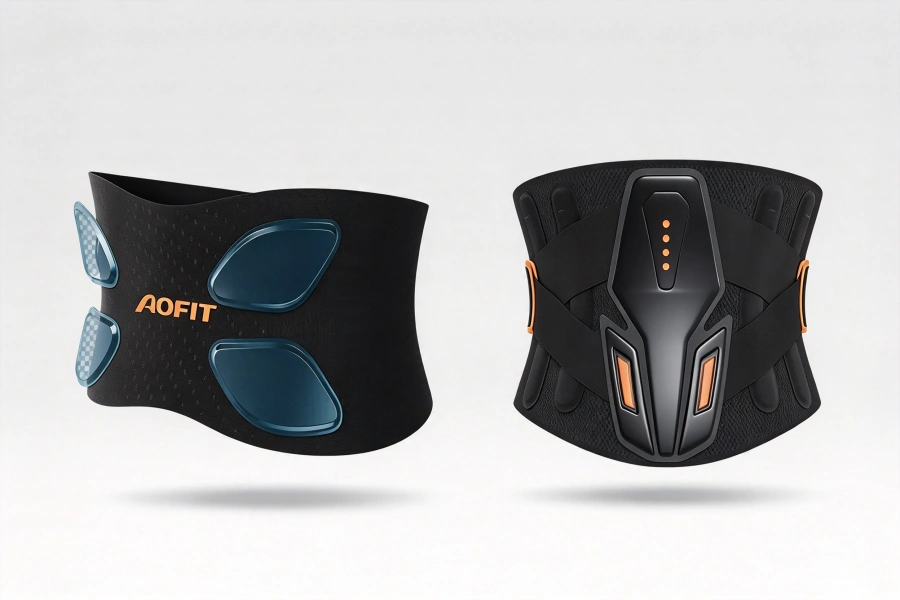
Custom back brace costs range from $200 to over $1,500, and most suppliers won’t tell you why until you’re already locked into a quote.
That’s a problem if you’re trying to budget for a patient, stock inventory, or compare vendors before committing to an order.
Below, I break down back brace cost ranges by type and material, show what drives pricing up or down, and walk through how insurance coverage works in practice. You’ll also see how custom pricing compares to off-the-shelf options, so you know when the extra cost is justified.
By the end, you’ll have the numbers you need to negotiate smarter and buy with confidence.
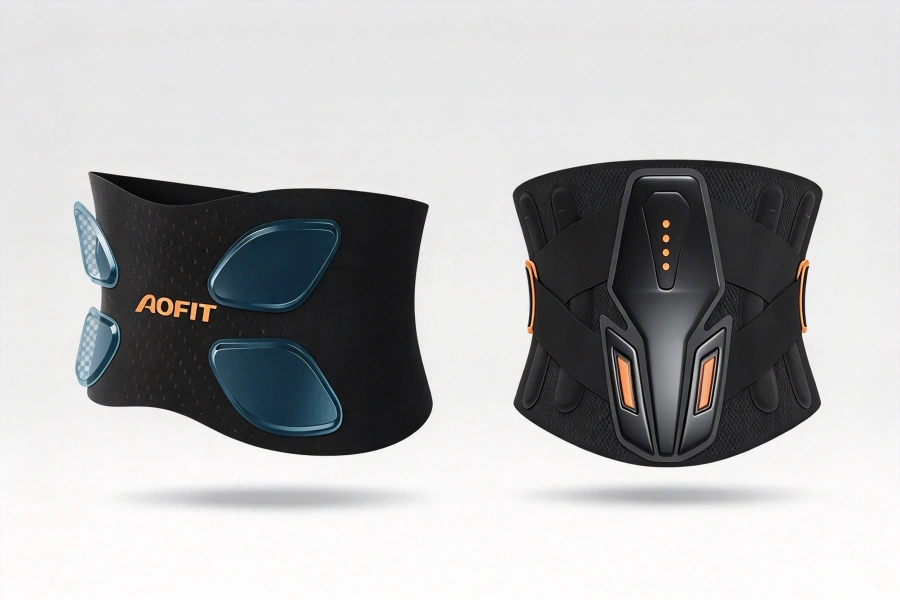
Custom Back Brace Cost Breakdown by Type (2026 Price Guide)
The cost of a custom back brace depends on the brace type, fabrication method, level of spinal control, and whether professional fitting and follow-up services are included. The following ranges are estimates for budgeting purposes, not guaranteed prices or standardized national averages.
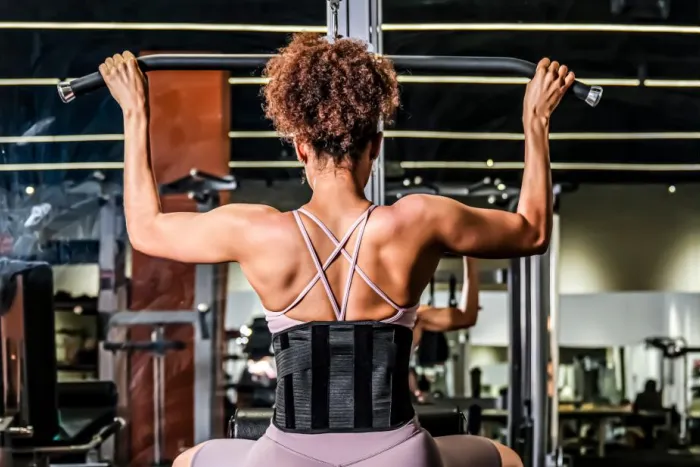
Custom-fit athletic lumbar support: approximately $20–$150+ for general retail products. These supports are commonly used during exercise, weightlifting, and physically demanding activities. Basic elastic supports generally cost less, while designs with reinforced panels, specialized fabrics, and adjustable compression may cost more. This range refers to general retail supports, not fully custom-fabricated medical orthoses.
Custom LSO (lumbosacral orthosis): approximately $1,600–$2,600 as a hospital pricing benchmark for certain custom models. LSOs support the lumbar and sacral regions and may be prescribed for spinal instability, postoperative recovery, or other conditions requiring additional stabilization. Actual costs vary by construction, fitting requirements, provider, and billing arrangements. Published hospital pricing data for one custom LSO category (HCPCS L0640) reports a median price of $2,326 and a middle 50% range of $1,600–$2,576.
Custom TLSO (thoracolumbosacral orthosis): approximately $2,600–$4,400 as a reference range for certain rigid custom models. These braces support the thoracic and lumbar regions and may be prescribed for spinal fractures, postoperative stabilization, and selected spinal deformities. Hospital price-transparency data reports median prices of $2,652 for one custom rigid TLSO category and $2,780 for another. More complex designs can cost substantially more.
Custom-molded spinal orthosis: pricing varies by design and clinical requirements. There is no single reliable price range that applies to all custom-molded spinal braces. The final cost depends on the anatomical area covered, rigidity, fabrication method, corrective features, and whether the quoted amount includes assessment, fitting, and adjustments.
Custom scoliosis TLSO: approximately $2,000–$5,000+ as a broad budgeting estimate. Boston-style braces are one common option for adolescent scoliosis. More advanced corrective designs, additional fitting appointments, growth-related modifications, and replacement braces may increase the total cost. Actual pricing varies by provider and treatment plan.
High-complexity custom spinal braces: potentially several thousand dollars. Braces requiring extensive spinal control, specialized fabrication, or multiple fitting and adjustment appointments can cost significantly more than standard custom orthoses. Device charges and professional service fees should be compared separately to avoid double-counting or overlooking additional expenses.
Custom CTLSO / Milwaukee-style braces: obtain a model-specific quotation. These braces provide more extensive control across the cervical, thoracic, and lumbar regions and may be prescribed for selected complex spinal deformities. Because designs and service requirements differ substantially, a single price range should not be presented as a universal market standard.
Quick Reference by Use Case
General athletic lumbar support: approximately $20–$150+
Certain custom LSO models: approximately $1,600–$2,600 in published hospital pricing data
Certain rigid custom TLSO models: approximately $2,600–$4,400 in published hospital pricing data
Custom scoliosis bracing: approximately $2,000–$5,000+ as a broad budgeting estimate
Complex spinal deformities requiring specialized orthoses: several thousand dollars or more, depending on the design and services included
Important: These figures refer to different product and healthcare pricing categories in the U.S. market. Hospital charges, negotiated insurance rates, Medicare reimbursement amounts, retail prices, and total patient costs are not interchangeable. Always confirm whether a quotation includes the brace itself, professional fitting, follow-up adjustments, and replacement components.
What Factors Drive Up Your Custom Back Brace Price?
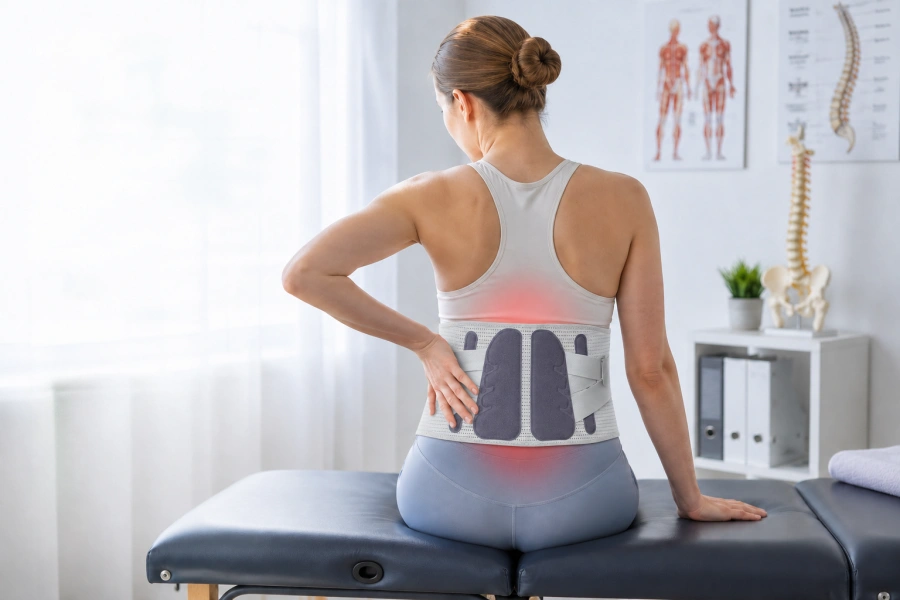
Customization level is a key factor affecting back brace pricing. Basic elastic lumbar support belts may retail for around $15–$30, while mesh or dual-strap designs typically cost $20–$50+, depending on materials and brand. Prefabricated medical-grade LSO/TLSO braces can cost several hundred dollars, while custom-fabricated spinal orthoses may reach several thousand dollars, depending on design complexity and fitting services. These are U.S. market retail and healthcare pricing estimates, not factory or wholesale prices. For bulk OEM orders, actual unit costs depend on materials, specifications, customization, and order quantity.
Measurement Method Adds Hidden Custom Back Brace Costs
3D scanning requires dedicated hardware, modeling software, and technician time to refine the digital mesh before manufacturing, which adds $100–300 to your base price. Multiple scans, CAD remodeling, or remote follow-up visits push that figure even higher.
Plaster casting takes a different route to a similar price tag. You pay for technician labor, raw plaster, curing time, mold removal, and manual adjustments. Plan on another $50–150 on top of the standard unit price.
MOQ Changes Your Per-Unit Cost
Order volume affects unit pricing, but MOQs vary by supplier and design. Online supplier listings show basic back braces around $3–6 per unit, with some models available at MOQs of 100–500 units. More complex designs may cost $8–20+, while small-batch custom orders can be substantially more expensive. Actual quotes depend on specifications, branding, packaging, and order quantity.
Material Choice Drives Weight, Custom Back Brace Cost, and Complexity
Neoprene and elastic fabric — Basic models may cost around $3–6 per unit at wholesale, depending on construction and order volume.
Thermoplastics (EVA, PE, PP) — Molded components and additional finishing can increase manufacturing costs; pricing depends on the brace design.
Metal support stays — Steel or aluminum reinforcement adds material and assembly costs, with the final price depending on the number and design of the stays.
Carbon fiber — Specialized materials and fabrication can significantly increase costs, but no single price range applies to all carbon-fiber braces.
Accessories and Region Add the Final Layer
Dual-pull straps, pulleys, hinges, and electronic sensors can increase unit costs. For example, wholesale smart posture correctors are listed at approximately $4–8 per unit, while more advanced models can cost more. Chinese supplier listings for back braces range from a few dollars to over $20, depending on design and order quantity. In contrast, U.S. hospital pricing for certain custom spinal orthoses can reach several thousand dollars. These figures represent different pricing channels and should not be compared directly.
Custom Back Brace Cost With Insurance: What You’ll Actually Pay
Insurance changes the math completely, provided you follow the rules.
Medicare Part B covers medically necessary back braces, including custom-molded and prefabricated orthoses, when ordered by a doctor or qualified provider. Even with coverage, you pay 20% of Medicare’s approved amount once you meet your annual deductible, while Medicare covers the remaining 80%.
Here is what that looks like with real numbers.
The $500 Example
Say Medicare approves a custom back brace at $500.
Deductible already met: Medicare pays around $400, and you pay about $100.
Deductible not met: You pay your remaining deductible first, plus 20% of the approved amount. Your total bill climbs past $100 depending on the deductible balance you owe.
That 20% coinsurance applies to Medicare’s approved amount rather than the supplier’s retail sticker price. If you choose an unenrolled supplier or one that refuses assignment, your out-of-pocket costs jump sharply.
What You Need Before Fabrication Starts
Insurers require documentation before approving coverage:
A written prescription specifying brace type, body region, and diagnosis
Proof that a prefabricated brace failed first, which many plans demand before approving a custom device
Prior authorization, since starting fabrication before approval risks outright denial
An in-network, Medicare-enrolled supplier that accepts assignment
Miss any of these steps, and you could pay full retail instead of your coinsurance rate.
Custom Back Brace vs Store-Bought: Is the Extra Cost Worth It
Choosing between an $800+ custom brace and a $50 off-the-shelf model comes down to what you require and how the numbers break down.
The Price Gap in Black and White
Store-bought braces run $20–$100 for basic lumbar compression and posture support. If you need something closer to a commercial TLSO, expect to spend $180–$430. Custom lumbar braces start around $800 and climb past $2,500, while complex scoliosis or custom TLSO builds hit $1,500–$4,000.
That is a wide gap, but price alone does not tell you which option will work for you.
Fit, Timeline, and Treatment Complexity
Store-bought back braces ship same-day and work right out of the box. Custom back braces require a prescription, physical measurements or casting, fabrication time, and 1–2 fitting appointments. Some TLSOs also require a follow-up visit about a week later for adjustments before final delivery.
Fit separates these two categories quickly. Standard sizing relies on elastic straps with limited adjustability. If you have an asymmetrical torso, post-surgical changes, or prominent bones, off-the-shelf braces tend to slip, bunch, or dig in. Custom braces are built directly from your measurements, so pressure distribution, support angles, and openings line up with your body.
Condition severity matters just as much. A store-bought back brace handles mild to moderate lower back pain without issue. Serious conditions like scoliosis, compression fractures, post-op recovery, or neurological symptoms need rigid, targeted support that standard retail braces cannot provide.
When the Extra Cost Pays Off
Pay the premium for custom when:
Your body falls outside standard sizing: Frequent slipping or rubbing signals a fit issue that adjustable straps cannot solve.
You need targeted correction: Scoliosis, fractures, and surgical recovery protocols require precise pressure zones.
You plan to wear it long-term: A tailored fit improves daily comfort and eliminates frequent replacement purchases.
Your doctor prescribes specific angles or pressure ranges: Only custom fabrication can meet those clinical specs.
Stick with store-bought for mild, short-term flare-ups. A $20–$100 back brace is the smarter buy when you need temporary support during daily activity.
How to Get an Accurate Quote for Your Custom Back Brace?
A one-line quote is a red flag. If a supplier hands you a single number labeled “brace total,” push back and demand itemized pricing.
Demand an Itemized Breakdown
Every legitimate quote should separate costs for:
Medical evaluation: initial consult, posture assessment, and mobility checks
Prescription and documentation: physician sign-off, proof of medical necessity, and prior authorization
Measurement method: manual measuring, plaster casting, or 3D scanning
The brace itself: materials, thickness, padding, hinges, and closures
Design and fabrication: CAD/CAM modeling, molding, assembly, and quality checks
Fitting and adjustments: first fitting, pressure checks, and follow-up trims
Shipping, taxes, and insurance breakdown: what insurance covers and what you owe out of pocket
Skip this breakdown and expect surprise bills later.
What Real Quotes Actually Look Like?
Public pricing data shows the physical brace alone often runs $180–$270. Once you factor in clinical evaluations, orthotist fittings, and follow-up adjustments, the real total lands at $800–$2,000+. Fully custom builds covering materials, fabrication, fittings, and follow-up care typically hit $1,000–$3,000. Compare suppliers by the total cost of care rather than the brace price alone.
Ask These Questions Before Fabrication Starts
Is this standard, semi-custom, or fully custom?
Who performs the fitting: a certified orthotist or a sales rep?
Does the quote include design, fabrication, and final fitting?
Can you show comparable case examples?
Confirm Payment and Adjustment Terms
Does the price include tax, shipping, and rush fees?
Can you bill insurance directly?
How many free adjustments come after delivery (30 days, 90 days, or longer)?
What does the warranty cover, and what voids it?
What happens if sizing changes due to weight loss, surgery, or growth?
Get all of this in writing before anyone takes a measurement.
Custom Back Brace Cost FAQ
Does Medicare or insurance cover a custom LSO brace?
Yes, as long as your doctor documents medical necessity. You will need a physician’s prescription, diagnosis notes, proof that a prefabricated brace won’t work, and often prior authorization. Make sure to use an in-network orthotist or DME supplier so you avoid paying the full bill out of pocket. Some plans also cap replacements at one brace per year, so check your coverage before ordering.
Do kids need a different budget for custom back braces?
Pediatric custom back braces land in the same $800–$2,500+ range as adult devices, though they can run higher. Children grow quickly, which means extra fitting visits, padding changes, and replacement units over time. Ask your supplier whether growth-related modifications and follow-up visits are already included in your quote.
Why do some online braces cost $1–$20 while custom back brace costs run into the thousands?
Those cheap listings sell standard, private-label supports. Wholesale lumbar supports run $4–$7, mid-tier private-label units hit $6–$12, and feature-heavy medical-grade pieces exceed $12. None of those come close to custom pricing. A true custom brace requires physical measurements, scanning or molding, clinician review, and ongoing fitting support. Factory order minimums of 100–500 pieces at $2.80–$15.45 per unit reflect bulk commercial manufacturing, not individualized patient care.
How much does customization add to the base cost?
Customization adds 20%–50% over a standard product, with scoliosis or TLSO designs landing at the high end of that range.
What should I ask before approving any quote?
Find out whether the price covers a custom device or a prefabricated brace, and confirm that fitting and follow-up adjustments are included. You should also check the remake policy in case your prescription changes.
Conclusion
Custom back brace costs scale directly with materials and fitting precision. Three factors matter most. First, the $300-$1,500+ price range comes down to scanning technology, material grade, and whether a certified orthotist is involved. Second, insurance can lower your out-of-pocket expense substantially, but only if you have the right documentation in place before you order. Third, when looking at lifetime costs, off-the-shelf braces often end up costing more than custom models because of frequent replacements and ineffective support.
If you are a buyer or distributor evaluating sports back brace costs and manufacturer pricing for bulk orders, contact us and request a detailed quote. As a back brace manufacturer, AOFIT’s 72-hour sampling and complete customization capabilities (materials, stays, compression straps, therapy elements) ensure your market success from day one.