

The neck hump, also known as dowager’s hump or hump neck, is a problem now. This is because a lot of people are working from home and spending time on their computers and phones. The neck hump is not a problem for old people, but it is also a problem for people who work in offices and use their phones a lot. For people who buy and sell things in the posture correction market, the question is not if posture corrector for neck hump is selling, but which ones are actually working and not being returned.
What Is a Neck Hump, and Why Does It Create a High-Demand Product Category?
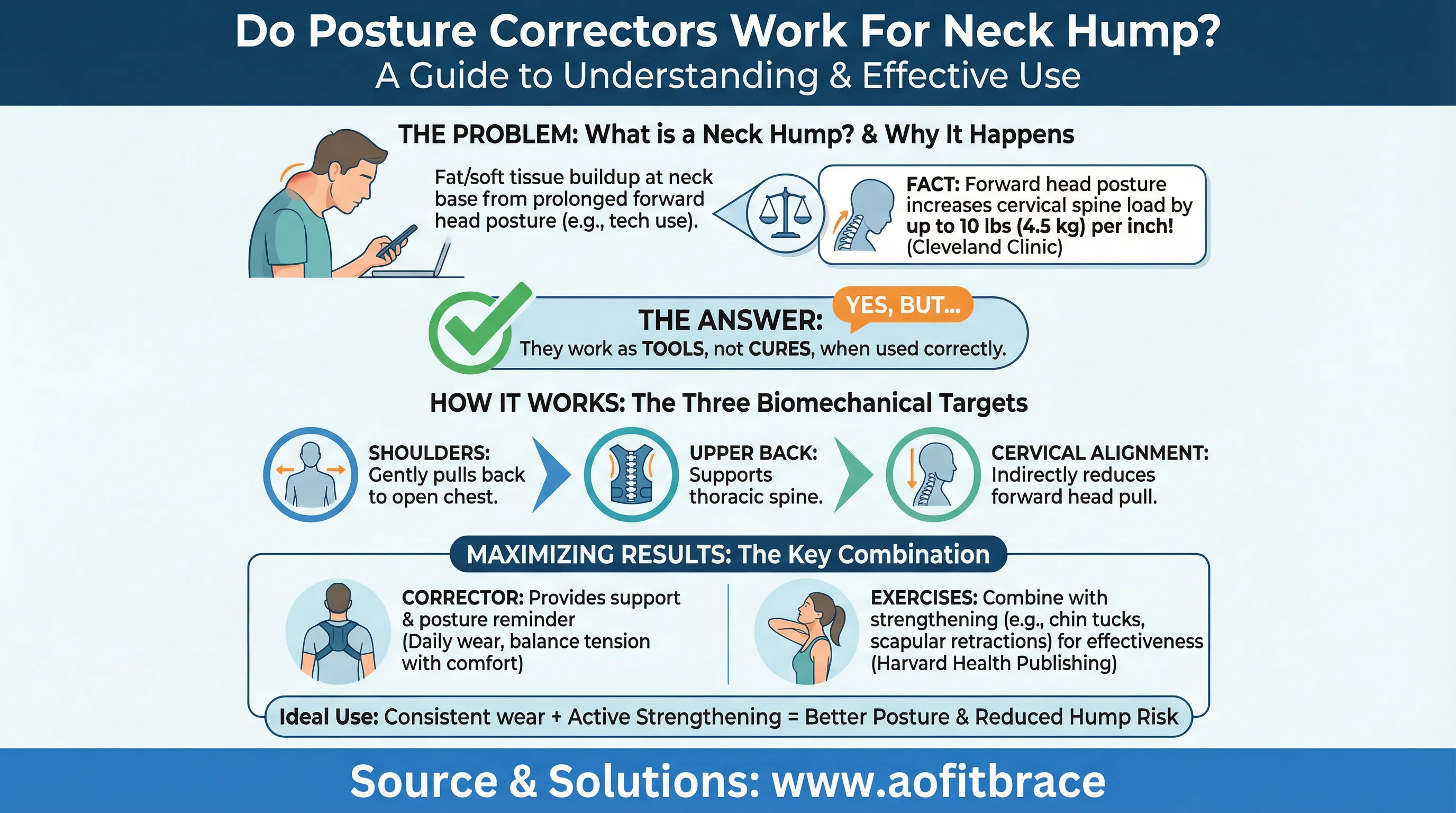
A neck hump is when fat and soft tissue build up at the base of the neck. This often happens when people adopt a posture where they lean forward and have rounded shoulders. Sometimes this can be caused by problems like Cushing’s syndrome or osteoporosis. Most of the time it is caused by sitting or standing in a bad way for a long time using a laptop and looking down at phones.
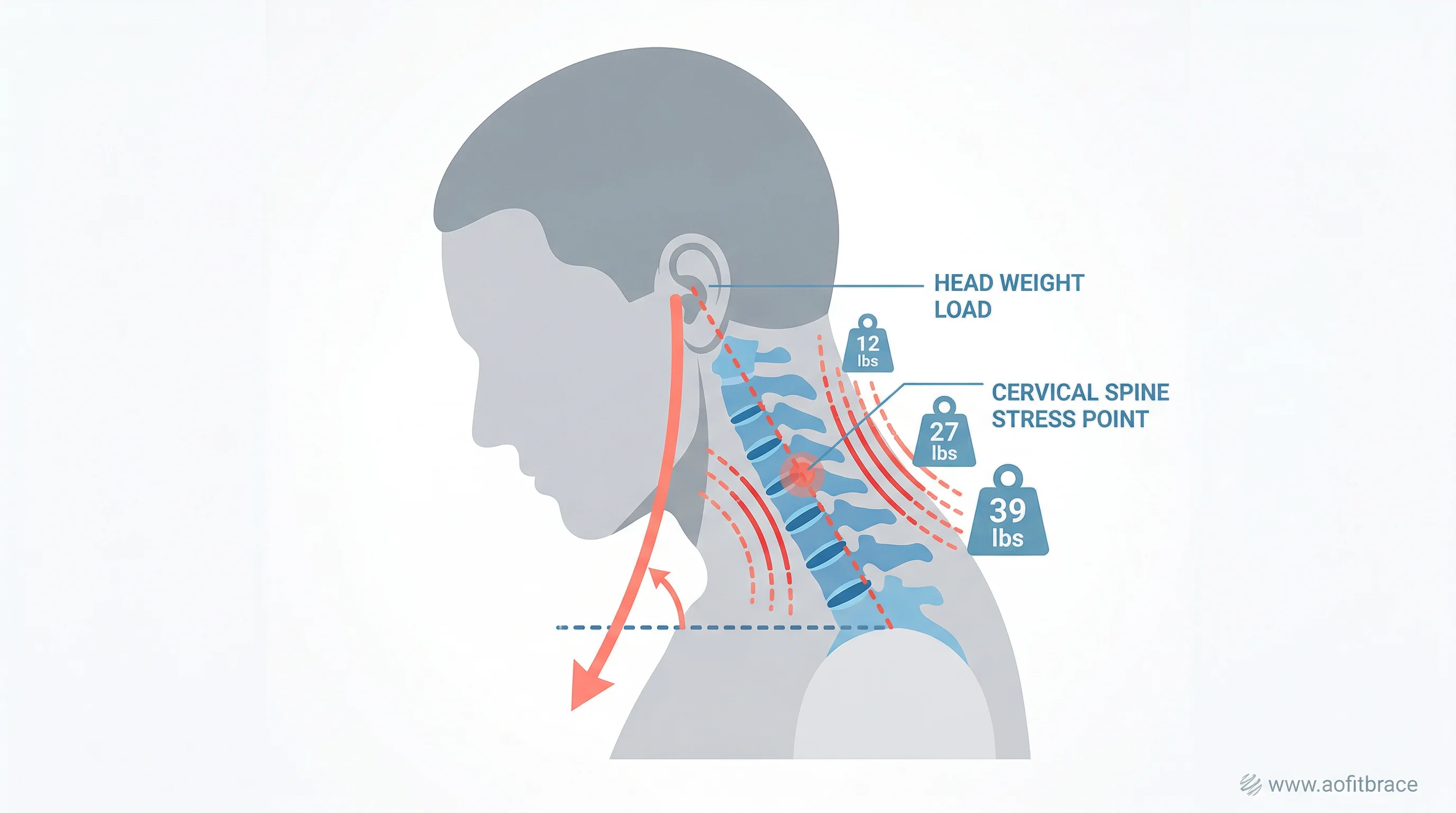
According to the Cleveland Clinic, forward head posture increases the load on the cervical spine by up to 10 pounds (4.5 kg) for every inch the head moves forward. Over time, this can make the muscles tired, cause pain and change the structure of the spine.
From a commercial perspective, this is a booming market. Statista reports that posture-related discomfort is now one of the top three complaints among office workers globally. The market for posture correctors is going to keep growing at a rate of over 7% until 2030. For people who buy things for their business, this means they will always need posture correctors, only if they are good quality and actually work.
Do Posture Correctors Work for Neck Hump?
Yes, they do work. Only if you use them correctly. Posture correctors are tools to help people, not a cure for problems. They work by pulling the shoulders stabilizing the upper back and reminding people to stand up straight. Over time this helps people get used to standing up.
A review from Harvard Health Publishing notes that posture devices are most effective when combined with strengthening exercises (e.g., chin tucks, scapular retractions). For people who sell posture correctors, this means they can sell a posture corrector with an exercise guide, which can make customers happier and come back to buy things.
How a Posture Corrector for Neck Hump Works?
A quality posture corrector targets three biomechanical points:
- Shoulders – gently pulls them back to open the chest
- Upper back – supports the thoracic spine
- Cervical alignment – indirectly reduces forward head pull
Unlike medical braces, modern posture correctors are designed for daily wear under clothing. The ideal product balances tension with comfort, using materials like neoprene, breathable mesh, or elastic fabrics with adjustable straps.
For B2B buyers, the mechanism matters because it affects user compliance. If the device is too tight or chafes, users will abandon it within a week — leading to bad reviews and high return requests.
Key Benefits of Using a Posture Corrector for Neck Hump
The best posture corrector for neck hump is not just about posture — it’s about user experience and perceived improvement.
Key real-world benefits include:
- Immediate posture improvement (visible within minutes of wearing)
- Reduced neck and shoulder fatigue (especially after long sitting hours)
- Increased awareness of body alignment (trains users to self-correct)
- Lightweight and discreet (can be worn over or under clothing)
For buyers, products that deliver quick visible results + long-term comfort have higher repeat purchase rates and lower return rates. Avoid overpromising: a posture corrector will not “dissolve” a bony hump, but it can prevent worsening and improve appearance significantly.
Types of Posture Correctors for Neck Hump
Not all posture correctors are equal. As a B2B buyer, you should understand the main categories:
1. Upper Back Posture Corrector (Best for Mass Market)
- Design: Figure-8 or strap-based, pulls shoulders back
- Pros: Lightweight, low cost, fits most body types
- Cons: Minimal thoracic support
- Best for: Entry-level users, office workers
2. Full Back Support Corrector (Therapeutic Grade)
- Design: Wider back panel, sometimes with rigid stays
- Pros: Stronger correction, better for severe slouching
- Cons: Bulkier, less discreet
- Best for: Clinical or rehabilitation channels
3. Smart Posture Corrector (Premium Segment)
- Design: Wearable device with vibration alerts
- Pros: Real-time feedback, app integration
- Cons: Higher price, requires charging
- Best for: Tech-focused retailers, higher margin
4. Posture Shirt / Wearable (Emerging Category)
- Design: Compression fabric with embedded tension bands
- Pros: All-day comfort, invisible under clothing
- Cons: Limited adjustability
- Best for: Fashion-forward health brands
Recommendation for most B2B buyers: Start with upper back posture correctors (low risk, high volume), then add smart or full-support options for niche segments.
How to Choose the Best Posture Corrector for Neck Hump?
Choosing the right posture corrector for neck hump requires evaluating multiple factors, especially for bulk purchasing and labeling.
Key Product Features to Look For:
Material and Build Quality
Look for materials such as neoprene, nylon-spandex blends, or breathable mesh, and avoid cheap polyester which often causes sweating and skin rashes. Soft padding at the armpits and neck edges is also a must for user comfort.
Product Structure & Support Level
Different products offer different levels of correction. Lightweight designs are suitable for daily wear, while reinforced structures provide stronger correction.
Adjustability & Size Range
A reliable product should offer at least three size options, such as S/M, L/XL, and XXL, or feature fully adjustable straps. Be cautious of “one-size-fits-all” designs, as they tend to have higher return rates.
Certifications & Market Access
Depending on your target market, you may need CE certification for Europe, FDA registration if the product is marketed as a medical device in the United States, and ISO 9001 for quality management. In some markets, OEKO-TEX certification for skin-contact materials is also required.
OEM & ODM Capabilities
Ask whether the supplier can print your logo, customize packaging, or adjust strap length according to your specifications. You should also confirm the minimum order quantity (MOQ), which typically ranges from 500 to 2,000 units.
Common Myths About Posture Correctors
| Myth | Fact |
| Wearing it 8 hours a day fixes hump faster | Overuse can weaken muscles. Recommended: 2–4 hours daily + exercises. |
| One corrector works for all body types | Adjustability and size range are critical. |
| It permanently reshapes bone | No — it retrains muscles and soft tissue. Bone changes are irreversible without medical intervention. |
| More tension = better results | Excessive tension causes pain and non-compliance. |
Conclusion:
For B2B buyers, the answer is clear: posture correctors can be highly effective for reducing neck hump caused by poor posture, provided they are well-designed, properly fitted, and paired with user education. The growing market demand is real — but success depends on choosing suppliers who prioritize material quality, adjustability, and certification compliance.
By stocking the right products and positioning them with accurate, evidence-based content, you can build a profitable and sustainable posture correction line.
That’s where AOFIT comes in. With 19 years of experience as a vertically integrated posture corrector manufacturer, we handle everything from R&D and production to global sales. Our products meet CE, FDA, ISO 9001, and OEKO-TEX standards, ensuring safety and quality.
When you partner with AOFIT, you get custom OEM/ODM solutions, low return rates thanks to breathable materials and multi-size adjustability, and reliable lead times of 30–45 days with sample and third‑party inspection support. Trusted by clients in over 160 countries, we deliver proven quality.
Ready to source high‑quality posture correctors for neck hump? Contact AOFIT today for a wholesale quote, OEM catalog, or certification package. Let’s build a long‑term partnership that benefits your customers and your bottom line.