
The custom vs off-the-shelf knee brace decision is an important consideration for sports brands, wholesalers, distributors, and private-label businesses looking to build a competitive knee support product line. Both options can serve different customer needs, but they differ in product design, fit, manufacturing costs, inventory requirements, and customization potential.
For B2B buyers, the right choice goes beyond comparing individual product features. It requires evaluating target sports, customer expectations, order volumes, profit margins, and long-term brand positioning. Understanding these differences can help you select the right sourcing strategy and work more effectively with a knee brace manufacturer.
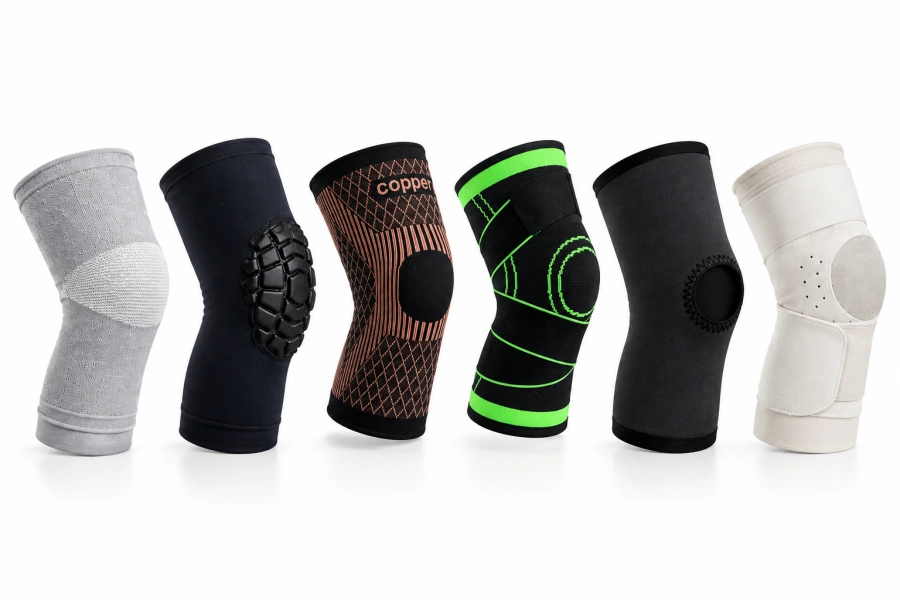
What Is a Custom Knee Brace?
A custom knee brace is developed according to specific product requirements, design specifications, or individual fitting needs. In the sports protection market, customization can involve materials, compression levels, support structures, dimensions, colors, logos, and packaging. The exact scope depends on the manufacturer’s capabilities and the buyer’s requirements.
It is important to distinguish between a brace custom-made for an individual and a commercially customized brace developed for a brand. An individually fabricated brace may be produced using personal measurements or a 3D scan. For B2B sports brands, however, customization more commonly means adapting a product design or an existing manufacturing platform for a target market.

For example, a sports brand may request a breathable knitted knee sleeve for running, a reinforced knee support for weightlifting, or a padded knee sleeve for volleyball. A manufacturer may help adjust the fabric, padding placement, elastic properties, sizing, and branding to create a product suited to the brand’s positioning.
What Is an Off-the-Shelf Knee Brace?
An off-the-shelf knee brace is a ready-made product manufactured in standardized designs and size ranges. Common options include elastic knee sleeves, neoprene knee supports, open-patella braces, patellar straps, and padded knee sleeves. Buyers can select from an existing product catalog without developing an entirely new design.
For sports brands and distributors, off-the-shelf products offer a practical way to enter the market, test demand, and expand an existing range. Standardized designs can simplify product evaluation, purchasing, and replenishment. Depending on the supplier, buyers may also be able to add a logo, select available colors, or customize packaging without changing the core product structure.
However, off-the-shelf does not necessarily mean unbranded or completely inflexible. Some manufacturers offer private-label services and limited product modifications for catalog products. The key difference is that buyers generally start with an established design rather than developing a product around new specifications.
Custom Vs Off-the-Shelf Knee Brace: Key Differences
The best option depends on how much product differentiation your business needs and how much time and investment you can allocate to sourcing. The following comparison highlights the main factors B2B buyers should evaluate.
| Comparison Factor | Custom Knee Brace | Off-the-Shelf Knee Brace |
| Product design | Adapted to project specifications | Existing standardized design |
| Fit and sizing | Can support customized dimensions and grading | Uses established size ranges |
| Materials | Greater flexibility, subject to feasibility | Usually selected from available materials |
| Branding | Can include broader design and branding changes | Often supports logos and packaging |
| Development time | May require sampling and approval | Generally faster to launch |
| Upfront investment | May involve development and tooling costs | Usually lower development investment |
| MOQ and inventory | Depends on the project and production process | Depends on stock availability and supplier policy |
| Market differentiation | Greater potential for distinctive features | More limited when products are widely available |
| Best suited for | Brands seeking a tailored product line | Buyers prioritizing speed and market testing |
Neither option is automatically better. A standardized sports knee sleeve may be commercially successful if it meets customer expectations, while a customized brace may provide stronger differentiation when the target market requires specific materials, construction, or performance features.
When Should B2B Buyers Choose a Custom Knee Brace?
When Your Brand Needs Product Differentiation
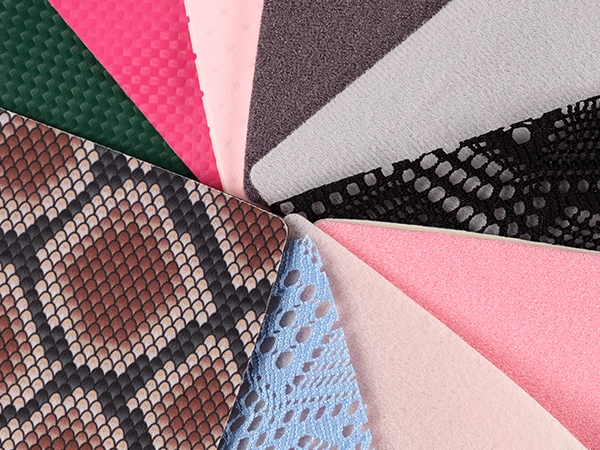
In a competitive sports accessories market, selling products that look and perform like widely available alternatives can make it difficult to establish a recognizable brand. A custom knee brace project allows buyers to explore different fabric combinations, knit patterns, compression zones, padding layouts, support features, and color schemes.
For example, a running brand may prioritize lightweight construction and moisture management, while a volleyball brand may need additional cushioning over the knee. A weightlifting brand may prefer a more substantial support structure. By developing products around these distinct requirements, businesses can build a more focused product range.
When Standard Products Do Not Meet Your Specifications
Off-the-shelf products work well when existing designs match your target market. However, buyers may need adjustments to the fabric composition, thickness, sleeve length, elasticity, seam construction, or padding position. In these situations, working with a manufacturer on a customized design can help bridge the gap between catalog products and market requirements.
Before requesting customization, define which features are essential and which are optional. This helps the manufacturer assess technical feasibility, material availability, sampling requirements, and potential cost implications before production begins.
When You Want to Build a Private-Label Product Line
Private-label customization can help sports brands create a more consistent identity across their product range. Depending on the project, buyers may customize logos, labels, packaging, colors, materials, or selected construction details while retaining a proven product platform.
For businesses entering the market for the first time, starting with an existing design and customizing selected elements may be more practical than developing a completely new knee brace. More extensive OEM development may be appropriate when the brand already has established specifications, a clear market position, and sufficient demand.
When Are Off-the-Shelf Knee Braces the Better Choice?
1. When You Need to Launch Quickly
Off-the-shelf knee braces can shorten the product selection process because the core design and manufacturing specifications already exist. Buyers can evaluate samples, confirm available options, and prepare their purchasing plans without going through the full development process required for a new design.
This approach is particularly useful for seasonal sports products, short-term promotional campaigns, and businesses testing a new sales channel. Actual delivery times still depend on stock availability, order quantity, customization requirements, and shipping arrangements.
2. When You Want to Control Initial Investment
A new product development project may involve sampling, material testing, design revisions, or tooling. By selecting an existing knee brace, buyers can reduce the need for some of these activities and focus their budget on inventory, marketing, and customer acquisition.
For startups, small distributors, and retailers with uncertain demand, this can be a sensible way to evaluate product-market fit before committing to a larger customization project.
3. When You Need a Broad, Standardized Product Range
Distributors often need several knee support styles for different sports, budgets, and customer segments. Existing catalog products make it easier to compare alternatives and build a product range that includes compression sleeves, patellar supports, and padded knee guards.
A standardized range can also simplify SKU management and replenishment planning. However, buyers should confirm size availability, packaging specifications, production consistency, and ongoing supply before making a long-term purchasing commitment.
How to Choose a Knee Brace Manufacturer for Custom or Off-the-Shelf Products?
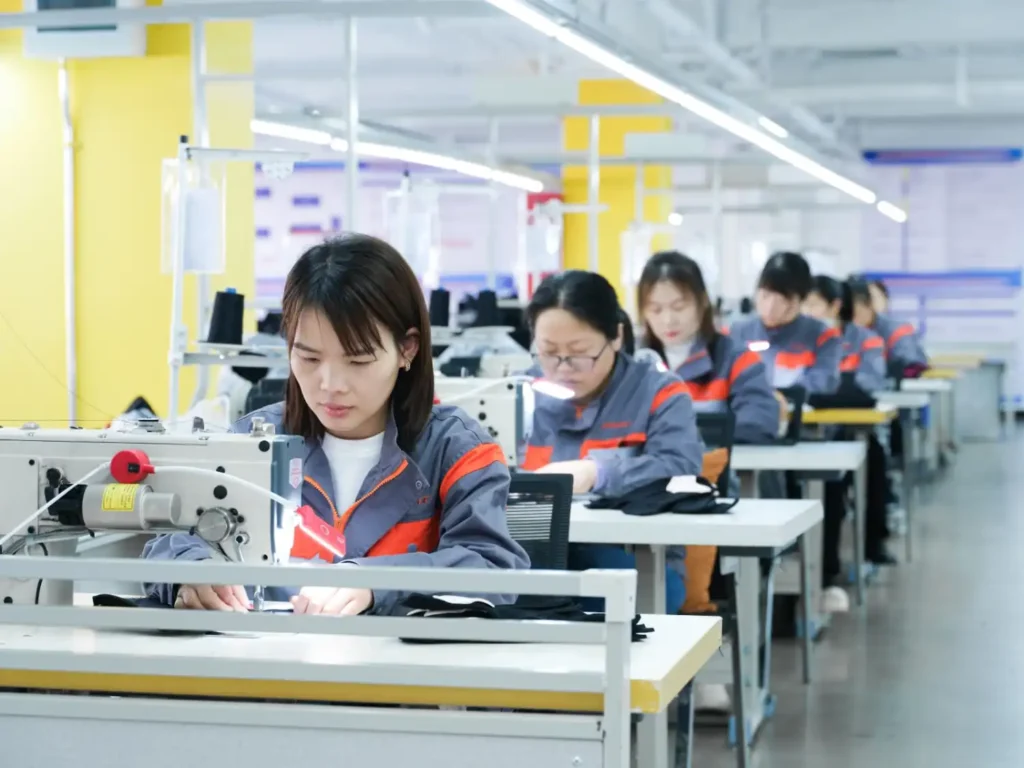
Choosing the right supplier is as important as choosing the product itself. A capable knee brace manufacturer should understand your target market, communicate technical requirements clearly, and provide a sourcing solution that matches your business scale.
Evaluate Product Development and OEM/ODM Capabilities
If you are considering a customized product line, ask whether the supplier can support material selection, structural adjustments, size grading, logo application, packaging design, and sample revisions. Confirm which features are genuinely customizable and which are limited by existing equipment or production processes.
An OEM arrangement generally focuses on manufacturing according to the buyer’s specifications, while ODM services may include adapting an existing design or helping develop a product concept. The right model depends on how much design work your team wants to manage internally.
Check Quality Control and Production Consistency
For sports knee supports, quality evaluation may include fabric composition, elasticity, seam strength, dimensional consistency, fastening performance, padding placement, and appearance. Products with hinges or other structural components may require additional checks relevant to their design.
Ask the manufacturer how samples are approved, how production specifications are documented, and how finished goods are inspected. Consistent quality is important for reducing complaints, protecting brand reputation, and supporting repeat orders.
Confirm MOQ, Lead Time, and Communication
A suitable supplier should provide clear information about minimum order quantities, sample costs, production schedules, payment terms, and shipping arrangements. Buyers should also establish how design changes, quality issues, and replenishment orders will be handled.
Before placing a large order, consider evaluating a sample or running a manageable initial order. This allows your team to assess product quality, customer feedback, and operational requirements before expanding the product range.
Why Work with an Experienced Knee Brace OEM/ODM Manufacturer?
For brands, importers, and distributors, a manufacturing partner should do more than supply finished products. The right partner can help assess design feasibility, recommend suitable materials, coordinate sampling, and maintain consistent production specifications across repeat orders.
AOFIT supports businesses looking for sports brace products and OEM/ODM cooperation. Depending on the project requirements, buyers can explore existing product designs and discuss potential adjustments to materials, branding, and other product specifications.
If you are developing a new sports support range, explore our custom knee braces for sports to learn more about product development options for B2B buyers.
For businesses that prefer to start with established designs, reviewing available knee brace products can help you identify suitable options for your target customers before discussing additional customization.
Conclusion
When comparing custom vs off-the-shelf knee brace options, B2B buyers should consider more than the initial purchase price. Off-the-shelf products offer a practical starting point for businesses that value speed, established designs, and lower development requirements. Custom knee braces offer greater flexibility for brands seeking specific product features, tailored specifications, or stronger market differentiation.
The most effective sourcing strategy depends on your target customers, sales channels, order volume, and long-term growth plans. By evaluating these factors and working with a reliable manufacturing partner, you can build a sports knee brace range that balances cost control, product quality, and brand development.