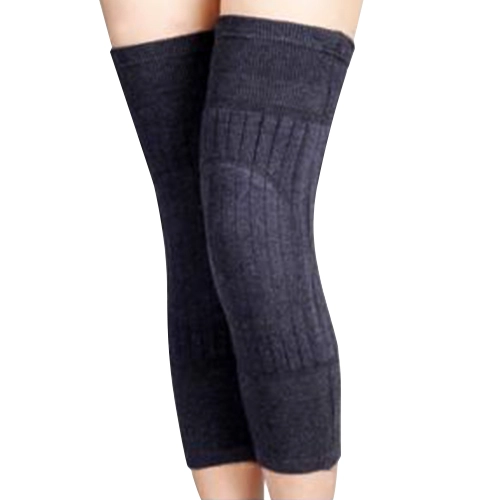
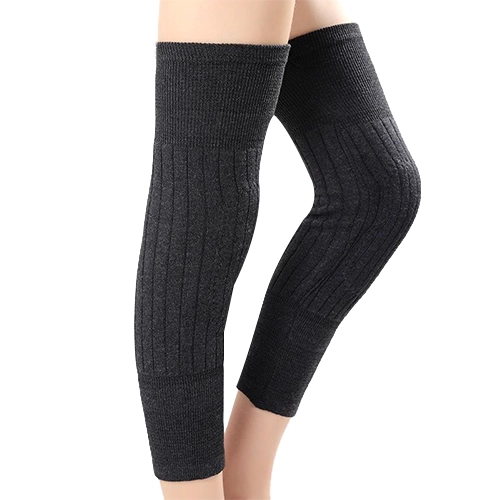
Wool Knee Sleeve
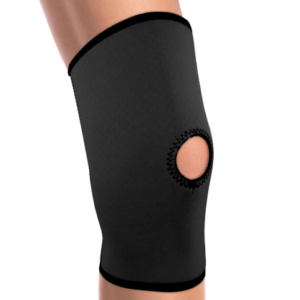
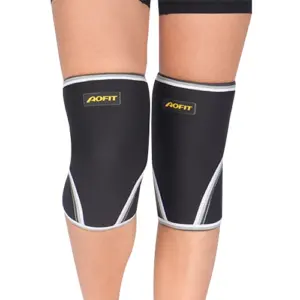
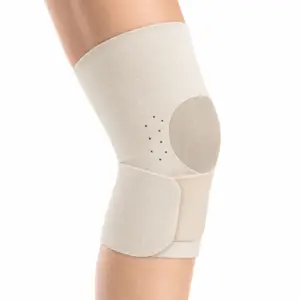
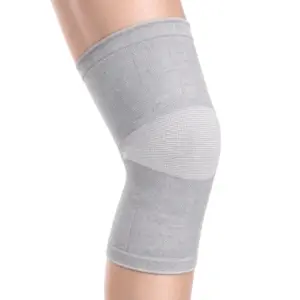
Develop a distinctive support product range with our wool knee sleeve, designed for brands looking to combine textile comfort with practical knee coverage. Its wool-based material direction offers an alternative to conventional synthetic knee supports, creating opportunities for outdoor accessories, everyday warmers, comfort-oriented products, and specialty retail collections.
As a knee support manufacturer, AOFIT works with B2B customers to explore product specifications, fabric construction, sizing, colorways, and branding requirements. Whether you are expanding an existing support range or developing a new private label concept, we can discuss the configuration that best fits your target market.
We offer OEM and ODM cooperation for qualified product development projects. Final material composition, construction details, and customization scope are subject to product evaluation and confirmation.
Wool-Based Fabric Options for Different Wool Knee Sleeve Product Positions
The fabric is a defining element of a wool knee sleeve, influencing its hand feel, appearance, thickness, and intended market position. Depending on the selected material and knitting construction, wool-based knee supports can be developed for different comfort expectations and retail price segments.
Material development directions:
- Wool-blend fabrics: Combine wool with selected fibers to balance tactile comfort, structural stability, and everyday wear requirements.
- Merino wool options: Consider merino wool for product concepts that prioritize a softer textile feel and natural moisture-management characteristics, subject to the selected yarn specification.
- Different fabric weights: Evaluate lighter or denser constructions to create distinct product profiles for seasonal collections and different wearing preferences.
- Surface and texture variations: Develop different knit patterns and fabric appearances to help brands differentiate products within the same category.
The final wool content, fiber blend, fabric weight, and performance characteristics should be confirmed against the actual product specification. This gives you a clearer basis for product positioning, labeling, costing, and quality evaluation.
Knitted Wool Knee Sleeve Construction and Fit Options
The construction of a wool knee sleeve affects how it fits around the leg, how it moves with the wearer, and how consistently it maintains its intended shape. For B2B product development, these details are important when defining a product for a specific consumer group or retail channel.
Depending on the selected design, development can focus on:
- Knee coverage: Adjust the sleeve length and overall profile to suit the intended wearing position.
- Opening design: Evaluate the upper and lower openings for a suitable balance between a secure fit and comfortable wear.
- Knitting structure: Select an appropriate knit pattern and fabric density according to the intended product positioning.
- Shape retention: Assess the fabric and edge construction for dimensional consistency after repeated wear and care.
- Sizing development: Establish a size range using agreed measurement points, fit samples, and target-user requirements.
A wool knee warmer and a compression-oriented knee sleeve may require different construction priorities. Defining the intended function at the beginning of development helps align the pattern, materials, and fit specifications with the finished product.
Custom Wool Knee Sleeve Development for Private Label Brands
For brands building a differentiated knee support collection, customization provides a way to align the product with an established visual identity and target customer profile. AOFIT can discuss wool knee sleeve development requirements with buyers seeking a private label product or a customized addition to an existing range.
Available development topics may include:
- Product appearance: Review color selections, knit patterns, and overall styling according to the agreed design brief.
- Size and fit: Define measurement specifications and evaluate samples against the target market's requirements.
- Branding details: Discuss applicable logo methods, label placement, and product identification.
- Packaging presentation: Explore retail packaging and labeling formats suited to the intended sales channel.
- Product specification: Confirm the material composition, construction details, care instructions, and other information required for the product.
The scope of customization depends on the base product, material availability, design complexity, and order requirements. Sample evaluation and specification approval should take place before bulk production to reduce avoidable differences between the approved design and the final order.