
Neoprene Thumb Splint
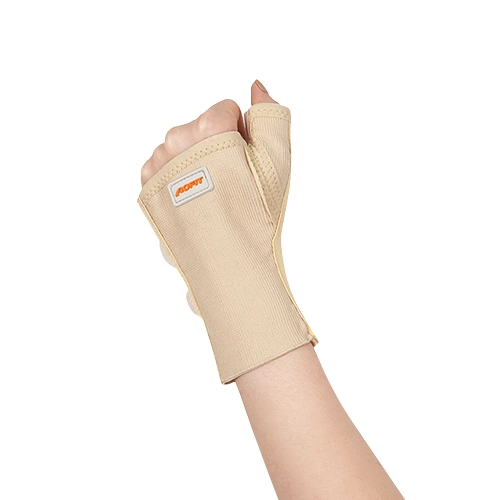
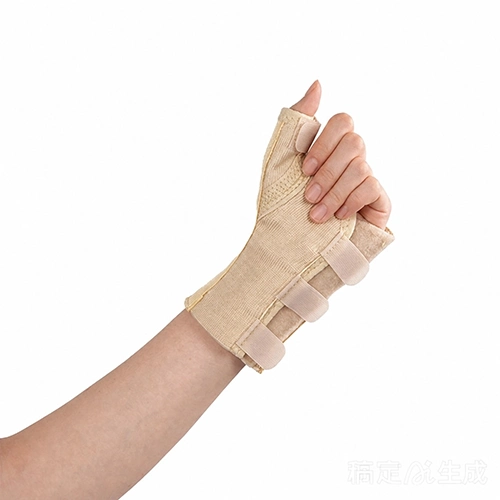
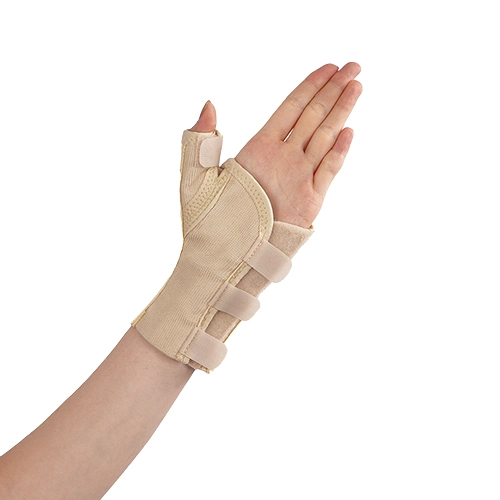
The Neoprene Thumb Splint is a thumb spica stabilizer designed to do what a simple elastic strap can’t: provide structured immobilization where it’s needed, while leaving your other fingers completely free to function. Worn around the hand and thumb, this breathable neoprene brace features a removable aluminum stay that restricts movement at the CMC (carpometacarpal) and MCP (metacarpophalangeal) joints—the exact spots where arthritis, tendonitis, and repetitive strain take their toll.
How It Works
The Neoprene Thumb Splint works through three mechanisms:
- Immobilization– The aluminum stay holds the thumb in a functional, abducted position, preventing painful movements that aggravate the injured joint
- Compression– The neoprene material delivers gentle, even pressure that helps reduce swelling and provides proprioceptive feedback (your brain's awareness of where your thumb is in space)
- Heat retention– Neoprene traps body heat, which increases blood circulation to the injured area, promoting tissue healing and reducing stiffness
Key Features
| Feature | Benefit |
| Perforated Neoprene Material | Breathable construction prevents sweat buildup and skin irritation during extended wear |
| Removable Malleable Aluminum Stay | Provides structured support exactly where needed; can be reshaped for customized fit |
| Targeted Joint Immobilization | Restricts CMC and MCP joint movement while allowing full IP joint and finger mobility |
| Wrap-Around Design | Easy one-handed application and removal; no complicated wrapping techniques |
| Adjustable Hook-and-Loop Closure | Customizable fit that accommodates swelling and different hand sizes |
| Latex-Free Construction | Safe for sensitive skin; no allergic reactions |
| Universal Fit | Fits either right or left hand |
Indications for Use
The Neoprene Thumb Splint is indicated for a wide range of conditions affecting the thumb and wrist:
- Arthritis– Osteoarthritis and rheumatoid arthritis of the CMC joint (basal joint arthritis)
- De Quervain's Tenosynovitis– Painful inflammation of the tendons on the thumb side of the wrist
- Tendonitis– Inflammation of the thumb tendons
- Sprains and Strains– Ligament injuries, including Skier's Thumb / Gamekeeper's Thumb
- Post-Surgical Recovery– Support following thumb surgery or fracture treatment
- CMC Joint Instability– Weakness or laxity at the base of the thumb
- Trigger Thumb– Stenosing tenosynovitis of the thumb
- Repetitive Strain Injuries– From occupational or athletic overuse