Copper-Infused Fabric and Material Options
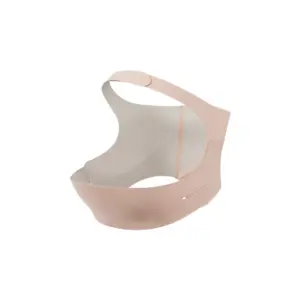
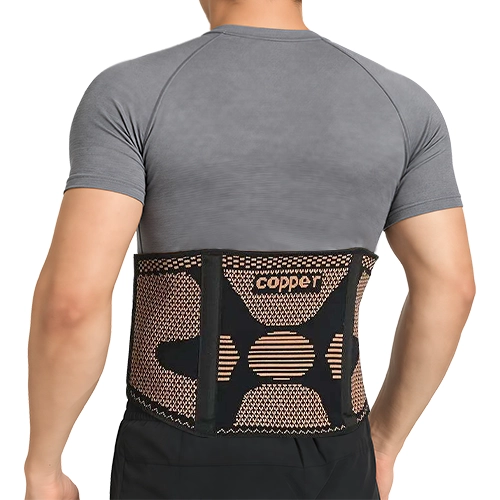
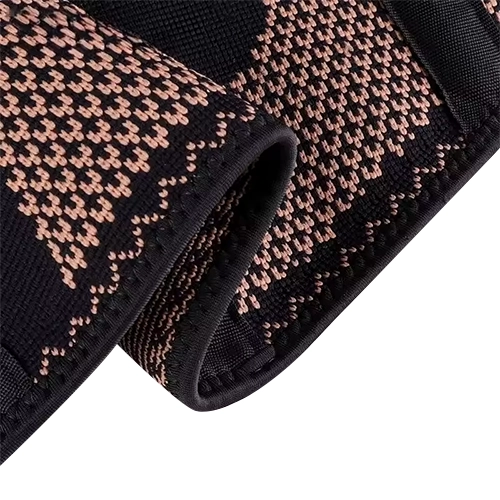
Material selection is an important part of developing a competitive copper back support brace. Depending on the intended product specification, the construction may combine copper-infused yarns with nylon, polyester, spandex, or other suitable textile components to balance stretch, compression, durability, and wearing comfort.
AOFIT can discuss material configurations based on your target retail price, preferred fabric hand feel, support level, and market positioning. Options may include different fabric weights, knit structures, mesh panels, and elastic components, subject to sample evaluation and production feasibility.
For private-label projects, material selection can also be coordinated with the product's color scheme, packaging concept, and broader back support collection to create a consistent brand presentation.
Adjustable Compression and Lumbar Support Structure
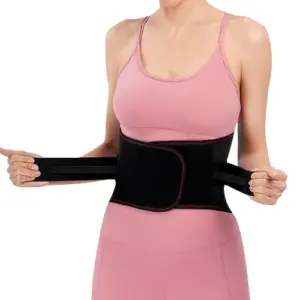
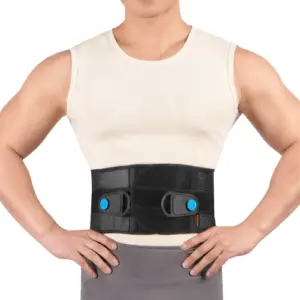
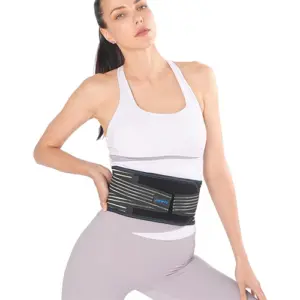
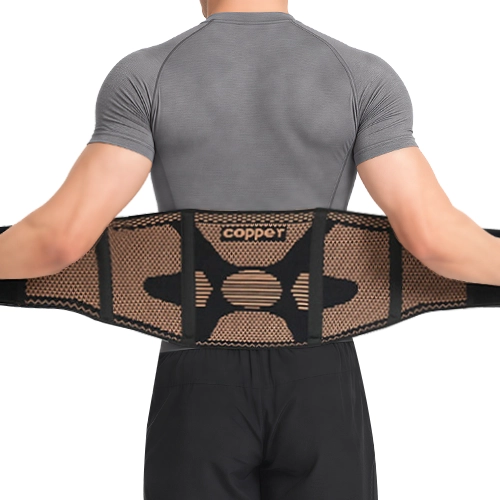
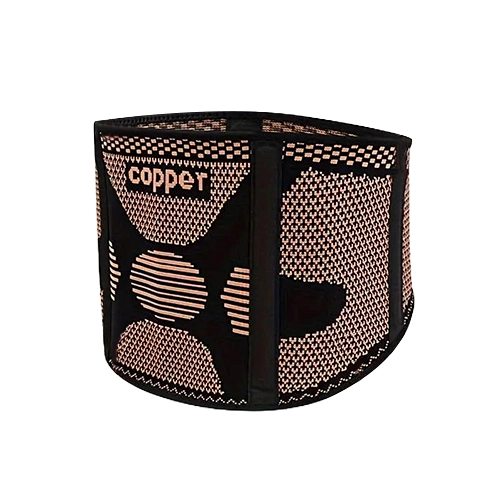
The construction of a copper support back brace influences how the product wraps around the waist, distributes compression, and stays in position during movement. Depending on the selected design, structural features may include a wide lumbar panel, adjustable hook-and-loop closures, elastic tension straps, breathable zones, or flexible support stays.
These components can be configured to suit different product categories, from lightweight compression belts to more structured lumbar support braces. Strap width, closure placement, panel coverage, and reinforcement details can be reviewed during product development to achieve the intended balance of adjustability, support, and ease of use.
For buyers building a differentiated product range, these design variables offer practical ways to establish distinct specifications across entry-level, mid-range, and premium collections.
Custom Copper Back Brace for Private Label Programs
AOFIT supports the development of custom copper back brace products for businesses looking to establish or expand their own support-product brands. Rather than relying on a standard stock design alone, buyers can discuss product specifications that align with their target audience, distribution channels, and competitive positioning.
Customization areas include:
- Product design: Review panel shape, coverage, closure configuration, and overall appearance.
- Material selection: Choose copper-infused textile options, stretch characteristics, breathability, and fabric weight.
- Color and branding: Coordinate product colors, logo placement, labels, and other approved brand identifiers.
- Sizing and fit: Develop a size range and grading approach based on the intended market and approved measurements.
- Packaging: Explore retail boxes, printed bags, inserts, barcode labels, and other packaging formats according to project requirements.
The final customization scope depends on the chosen base design, material availability, order quantity, and technical evaluation. Samples can be used to review fit, workmanship, branding, and packaging before bulk production.
Quality Control for Copper Back Support Brace Production
For distributors and private-label brands, consistent product quality is essential when managing repeat orders and maintaining customer confidence. A copper back support brace should be evaluated against its approved material specifications, dimensions, workmanship requirements, and finished-product standards.
Depending on the product specification and agreed quality plan, inspection checkpoints may include:
- Incoming material inspection: Verify material identity, color, weight, and other agreed specifications.
- In-process checks: Review stitching, seam consistency, strap attachment, closure alignment, and reinforcement details where applicable.
- Dimensional inspection: Check finished measurements against the approved size chart and tolerances.
- Functional review: Assess closure performance, adjustability, fabric stretch, and structural consistency.
- Finished-product inspection: Review appearance, labeling, packaging, and order-specific acceptance requirements.
Quality criteria should be established before production and applied consistently throughout the order. Where copper-related material performance or other technical claims are important to the destination market, relevant documentation and testing requirements should also be discussed and verified.